
Top 10 Most Beautiful Waterfalls in Tennessee (2026 Field-Tested Guide)
This isn’t that list.
If you’re planning a Tennessee waterfall trip in 2026, you don’t need more hype. You need clarity: which falls are worth the drive right now, which ones are overcrowded or closed, and which hidden gems deliver without the Instagram circus. Below are ten waterfalls that earn their spot—not because they’re famous, but because they offer something real when you show up prepared.
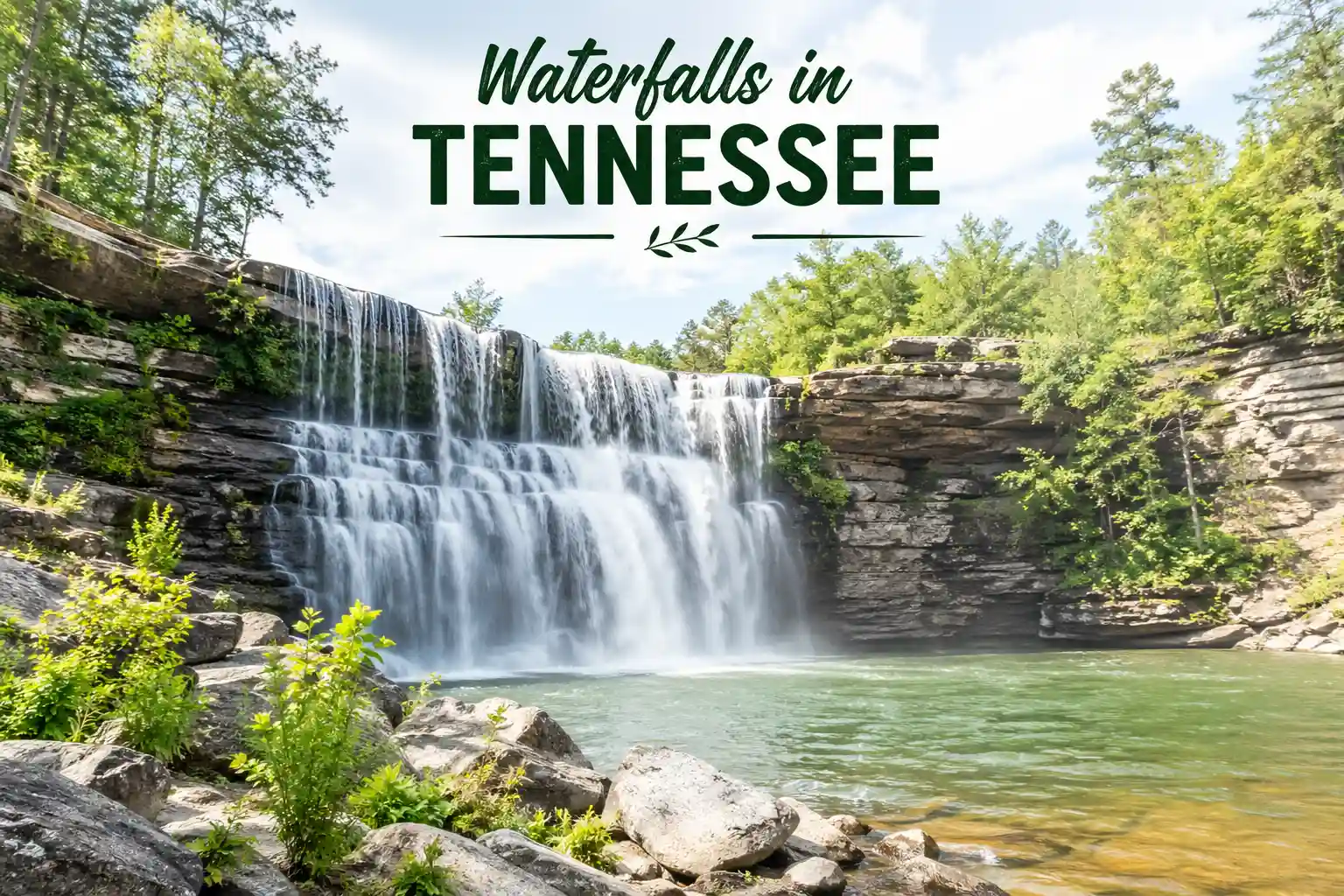
Fall Creek Falls (Fall Creek Falls State Park)
Why it stands out: At 256 feet, this is Tennessee’s tallest waterfall east of the Mississippi. The overlook delivers immediate impact—no hiking required.
The honest take: The paved overlook is fantastic for quick visits or travelers with mobility considerations. But the real reward comes if you’re willing to descend the steep, rugged trail to the base. That hike isn’t for everyone: loose rock, elevation loss (and the inevitable return climb), and no handrails on sections. If you’re short on time or energy, the overlook alone is still worth the stop. Just manage expectations: the base trail is an adventure, not a stroll.
Practical note: Parking at the main overlook fills by 9 AM on weekends. Arrive earlier or visit on a weekday if you want space to breathe.
Cummins Falls (Cookeville)
Why it stands out: A 75-foot cascade plunges into a scenic gorge with swimming opportunities (when conditions allow).
The honest take: This is the waterfall that breaks the “easy hike” myth. The gorge access trail requires a free timed permit, involves steep sections, loose gravel, and multiple creek crossings. It’s stunning, but it’s not casual. Many visitors arrive expecting a quick photo op and leave frustrated by the effort required. If you’re prepared with proper footwear, water, and realistic timing, it’s unforgettable. If not, stick to the overlook trail, which requires no permit and still delivers great views.
Practical note: Permits are released weekly and can sell out in minutes during peak season. Set a reminder and book early.
Burgess Falls (Burgess Falls State Park)
Why it stands out: Four distinct cascades along a single trail, culminating in a dramatic 130-foot final drop.
The honest take: The trail to the upper falls is relatively gentle and family-friendly. But continuing to the lower falls means navigating unbridged creek crossings and slippery rocks. After rain, those crossings can become hazardous. Many travelers push through without checking conditions and end up turning back halfway. The smarter move: assess the creek level at the first crossing. If it looks sketchy, enjoy the upper sections and save the lower plunge for a drier day.
Practical note: The upper parking lot is closed for visitor center construction in 2026. Use the lower lot and arrive early—space is limited.
Ozone Falls (Crossville)
Why it stands out: A powerful 110-foot plunge visible within a 5-minute walk from parking. Minimal effort, maximum payoff.
The honest take: This is the waterfall you choose when you want drama without the commitment. The paved path to the overlook is accessible, and the falls are visible year-round. But don’t let the short distance fool you: the rocks near the basin are notoriously slick. People slip here more often than you’d expect. Stay on designated paths, keep kids close, and resist the urge to climb for that “perfect angle.” The view from the overlook is already exceptional.
Practical note: No facilities at the trailhead. Use the restrooms in Crossville before arriving.
Twin Falls (Rock Island State Park)
Why it stands out: Two cascades framing a scenic gorge, viewable from a safe, paved overlook with railings.
The honest take: If accessibility matters, whether for mobility, strollers, or peace of mind, this is your best bet. The overlook requires zero elevation gain and delivers reliable views regardless of recent weather. Want more? The Downstream Trail extends the experience with gentle river views. But if you’re only doing one thing here, the overlook alone satisfies. No permits, no scrambling, no guesswork.
Practical note: The park has restrooms and picnic areas, making this a strong choice for families or longer stops.
Greeter Falls (South Cumberland State Park)
Why it stands out: Two distinct waterfall experiences, Upper and Lower, within the same trail system, offering flexibility based on your energy and time.
The honest take: Upper Greeter Falls is the accessible option: short distance, minimal elevation, safe viewing. Lower Greeter Falls is the adventure: longer hike, creek crossings, uneven terrain. Many visitors try to do both on a first visit and end up rushed or fatigued. Better approach: pick one as your primary goal. If you reach Upper Falls and feel great, extend downward. If not, you’ve still had a rewarding experience without pressure.
Practical note: Cell service is unreliable in the gorge. Download offline maps and share your plan before heading in.
Cataract Falls (Great Smoky Mountains National Park)
Why it stands out: A small but charming cascade located directly behind Sugarlands Visitor Center—fully accessible, zero elevation gain, rarely crowded.
The honest take: This isn’t the dramatic plunge you see on magazine covers. It’s a gentle, reliable waterfall perfect for travelers with limited mobility, families with young kids, or anyone who wants a stress-free nature moment. Don’t expect solitude on holiday weekends, but compared to Laurel Falls (currently closed for rehabilitation), Cataract offers a peaceful alternative without the crowds.
Practical note: Combine with a visit to the Sugarlands Visitor Center for trail updates and park orientation.
Window Cliffs State Natural Area (Near Spencer)
Why it stands out: Unique geology where water emerges from rock “windows” along a seasonal creek—unlike any other waterfall experience in the state.
The honest take: This isn’t a traditional waterfall hike. Access is seasonal (typically spring), the trail is unmaintained, and route-finding skills help. It’s best suited for experienced hikers who enjoy exploration over convenience. If you’re looking for a paved path and clear signage, skip this one. If you’re curious, prepared, and comfortable with ambiguity, it’s a memorable adventure.
Practical note: Check the Tennessee State Parks website for the current access status before driving. Conditions change with the weather and conservation needs.
Hemlock Falls (South Cumberland State Park)
Why it stands out: A 90-foot cascade tucked into a secluded gorge, accessible via the Fiery Gizzard trail system—one of Tennessee’s most scenic (and challenging) hiking routes.
The honest take: This waterfall rewards commitment. The approach via Fiery Gizzard is rugged: rock scrambles, elevation changes, and creek crossings. It’s not a casual out-and-back. But if you’re an experienced hiker looking for solitude and raw beauty, Hemlock delivers. First-time visitors to the area should consider hiring a local guide or joining a group hike until they learn the terrain.
Practical note: Start early. The Fiery Gizzard trail is long, and daylight is limited. Bring more water than you think you’ll need.
Sill Branch Falls (Near Pittman Center)
Why it stands out: A lesser-known cascade along the Appalachian Trail corridor, offering solitude and a sense of discovery without the crowds of more famous falls.
The honest take: This isn’t a destination you stumble upon by accident. The trail is unmarked in sections, and the falls themselves are modest in height. But if you value quiet over spectacle and enjoy the process of exploration as much as the payoff, Sill Branch offers a rewarding experience. It’s best approached by hikers comfortable with navigation and variable trail conditions.
Practical note: Parking is limited and unmarked. Research the trailhead location carefully before departing.
What Most Travel Blogs Get Wrong About Tennessee Waterfalls
Here’s a hard truth: beauty isn’t the only metric that matters. Many lists rank waterfalls by height or photo appeal while ignoring practical realities like parking availability, trail maintenance, seasonal access, or safety considerations. A waterfall might be stunning in a drought-free spring photo—but in late summer, it could be a trickle surrounded by crowds.
Another frequent oversight: treating all “short hikes” as equal. A 0.5-mile trail with 300 feet of elevation gain and loose rock feels very different from a flat, paved 0.5-mile path. Yet both get labeled “easy” in generic guides. The result? Visitors arrive unprepared and leave frustrated.
The smarter approach: evaluate waterfalls by experience, not just aesthetics. Ask: Who is this best for? What conditions make it shine? What could go wrong, and how do I prepare? That mindset shift turns a pretty photo into a reliable plan.
Practical Recommendations
Start with one or two primary targets per day, not a marathon checklist. Tennessee’s waterfall regions often require significant driving between trailheads, and fatigue diminishes enjoyment. Pick a geographic cluster—like the Cumberland Plateau or Smokies foothills—and explore deeply rather than skimming widely.
Footwear matters more than you’d think. Even “accessible” trails can have wet rocks, roots, or gravel. Trail runners or hiking sandals with grip outperform fashion sneakers in real conditions.
Check official park alerts the morning of your visit. Trail closures, parking changes, or weather impacts can shift plans. Relying on a blog post from six months ago risks disappointment.
If you’re traveling with kids, seniors, or anyone with mobility considerations, prioritize falls with verified accessible overlooks: Twin Falls, Cataract Falls, and the Fall Creek Falls overlook deliver beauty without demanding physical exertion.
Leave a Reply