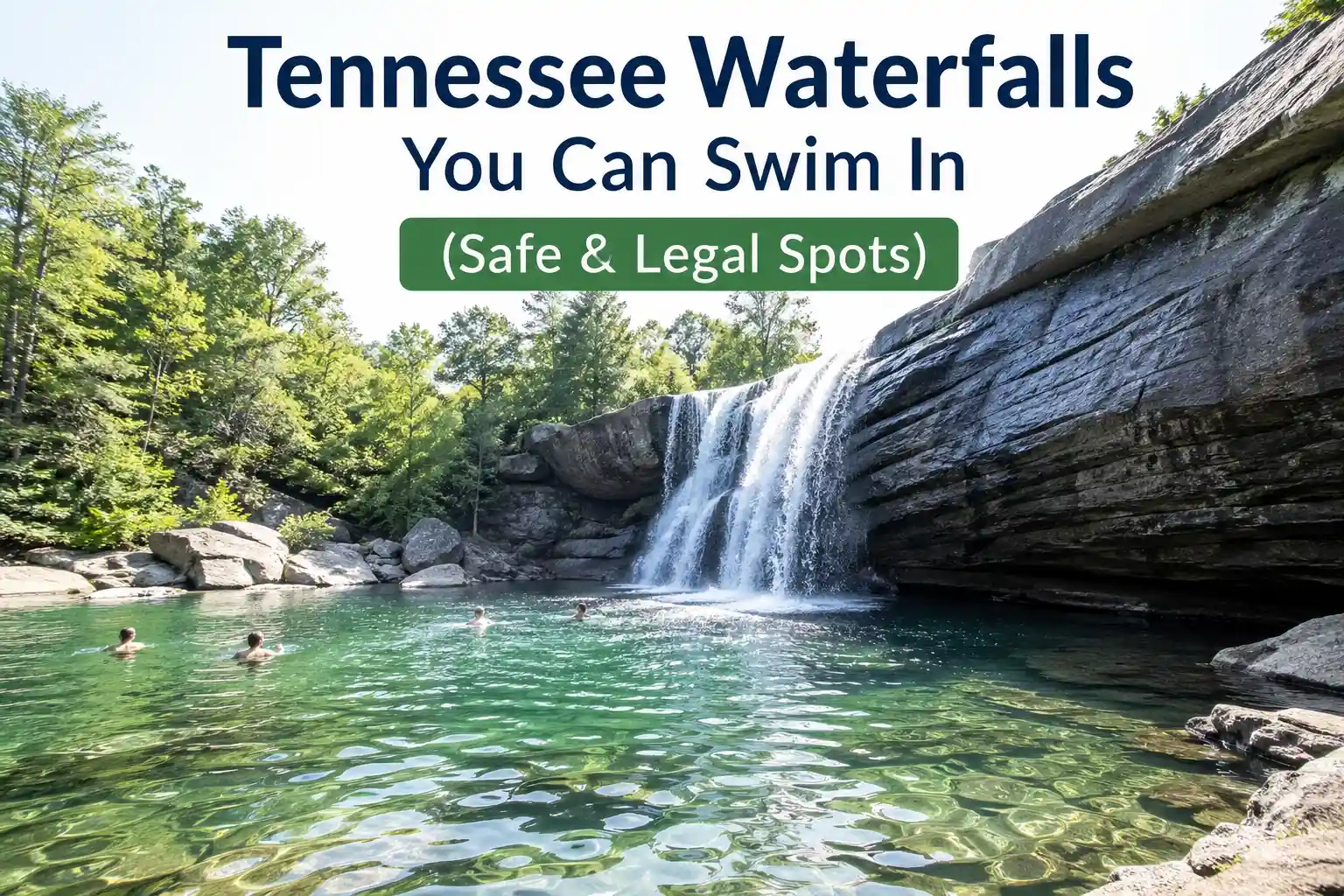
Tennessee Waterfalls You Can Swim In (Safe & Legal Spots): A Real Talk Guide for 2026
Here’s the thing: most of those spots either require a 4-mile hike with sketchy trail markers, exist on private land with “No Trespassing” signs just out of frame, or are technically illegal to swim in despite what the comments suggest. And that’s before we even talk about safety—cold water shock, hidden underwater rocks, or bacteria levels after heavy rain.
If you’re looking for Tennessee waterfalls where you can actually take a dip without worrying about a ranger ticket, a dangerous scramble, or ruining your trip with an unexpected injury, you’re in the right place. This isn’t a recycled list of pretty photos. It’s a grounded, practical guide built on park policies, safety data, and what actually works when you’re standing at a trailhead with a backpack and hopeful expectations.
Let’s Start With the Hard Truth
Tennessee has over 500 waterfalls. Maybe 15–20 of them have areas where swimming is both permitted and reasonably safe under the right conditions. That’s it. The rest? Either the plunge pool is too shallow, the current too unpredictable, the rocks too slick, or the rules too clear: look, don’t touch.
According to Tennessee State Parks’ 2026 recreation guidelines, swimming is only allowed in designated areas. That means even if a waterfall looks inviting, if there’s no marked swimming zone, you’re likely violating park policy. And it’s not just about rules—it’s about real risk. Cold mountain water can cause muscle cramps. Wet limestone is deceptively slippery. Sudden upstream rain can raise creek levels in minutes.
So before we get to the good stuff, the actual spots where you can cool off, let’s agree on a baseline: safety and legality aren’t optional extras. They’re the foundation.
The Short List: Where Swimming Actually Works (And Why)
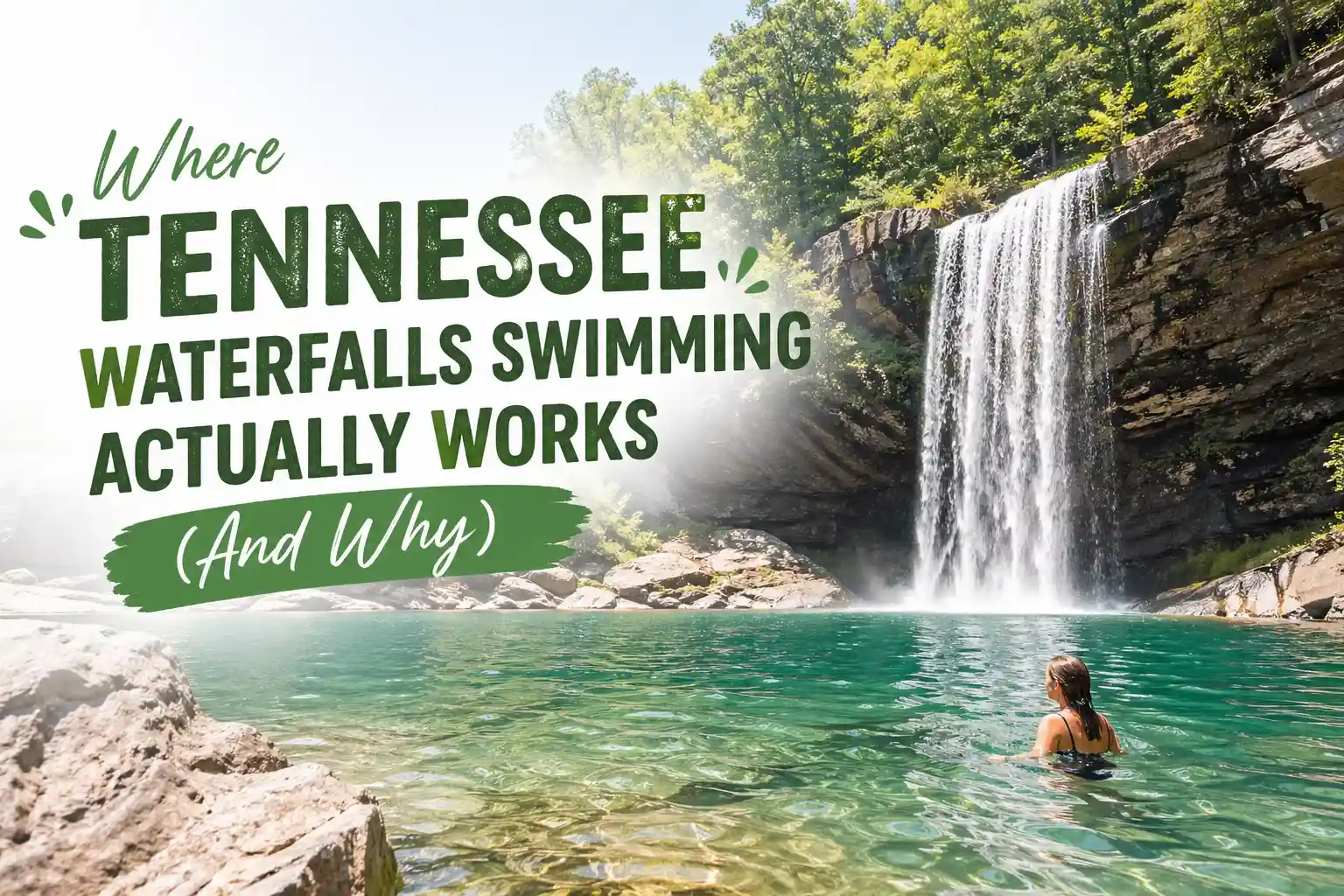
Cummins Falls (Jackson County) – With a Permit
You’ve probably heard of this one. The 75-foot plunge into a wide, swimmable basin is stunning. And yes, you can swim here—but only if you’ve secured a gorge access permit in advance. The overlook trail is open to all, but stepping off the main path into the gorge requires a free, timed reservation.
Why it works: The pool at the base is deep enough for swimming, with relatively stable entry points when water levels are normal. Park rangers monitor the area during peak season, which adds a layer of oversight you won’t find at unmanaged spots.
What to know: Permits release on a rolling basis and can book up weeks ahead for weekends. Check the official Tennessee State Parks reservation portal, not third-party sites. Also, the hike down is steep and rocky—wear shoes with grip, not flip-flops. If it’s rained in the last 24 hours, creek crossings can become hazardous. Better to postpone than push it.
The Swimming Hole at Fall Creek Falls State Park
Here’s a nuance many lists miss: you can’t swim directly at the base of Fall Creek Falls (Tennessee’s tallest waterfall east of the Mississippi). But the park does have a designated swimming area—a spring-fed pool near the campground—that’s open seasonally.
Why it works: It’s managed, maintained, and monitored. Lifeguards aren’t always on duty, but the area is designed for recreation, with gradual entry and clear depth markers. It’s not a waterfall plunge, but it’s a reliable, legal place to cool off after hiking.
What to know: The pool operates on a seasonal schedule (typically Memorial Day through Labor Day). Hours and fees can change, so verify on the park’s official website before you drive. Also, this isn’t a “wild” experience—it’s a family-friendly facility. If you’re chasing adventure, keep reading. If you want certainty, this is your spot.
Sycamore Falls (Savage Gulf) – Use Caution and Common Sense
Located in the Savage Gulf area of South Cumberland State Park, Sycamore Falls offers a more rustic experience. Swimming isn’t explicitly prohibited in the plunge pool, but there are no designated areas, no lifeguards, and no rescue services on standby.
Why some visitors choose it: The setting is secluded, the water is clear, and the hike in (about 1.5 miles each way) filters out casual crowds.
What to know: This is for experienced, prepared hikers only. The trail includes elevation change and uneven terrain. The pool has submerged rocks and variable depth. Cell service is unreliable. If you go, tell someone your plan, wear water shoes, avoid jumping, and check weather forecasts carefully. One sudden storm upstream can turn a gentle cascade into a dangerous torrent.
The “Maybe” List: Spots With Gray Areas
You’ll see blogs mention places like Burgess Falls, Laurel Falls, or Twin Falls as swimming destinations. Here’s the reality: Swimming at the base of these falls is either explicitly prohibited or strongly discouraged by park management due to safety hazards.
That doesn’t mean people don’t do it. But just because something is common doesn’t mean it’s safe or allowed. From a practical standpoint, if a park has posted “No Swimming” signs or if ranger patrols regularly issue warnings, it’s better to respect that boundary. There are plenty of legal options—no need to gamble.
A Better Way to Think About “Swimming at Waterfalls”
Here’s a mindset shift that changes everything: instead of asking “Can I swim at this waterfall?”, try asking “Is there a safe, legal place to cool off near this waterfall?”
Sometimes the answer is yes, but it’s not where you expected. A gentle creek downstream. A designated swimming hole is a short walk from the trailhead. A park pool with waterfall views in the distance. These options might not deliver the exact Instagram fantasy, but they offer something more valuable: peace of mind.
From real visitor patterns, travelers who adjust their expectations this way report less stress, fewer close calls, and more enjoyable trips overall. It’s not about lowering the bar; it’s about aiming for a smarter target.
What Most Travel Blogs Get Wrong About Swimming at Tennessee Waterfalls
You’ll find endless articles titled “10 Tennessee Waterfalls You Can Swim In!” that include spots with zero official confirmation, outdated policy info, or photos taken during rare low-water conditions that don’t reflect typical safety.
The bigger issue? Most lists treat “swimming” as a binary yes/no without addressing the conditions that make it viable. Water levels change. Regulations update. A spot that was passable last July might be dangerously swift this spring after heavy rains.
Another common oversimplification: “just be careful.” That’s not actionable advice. What actually helps is knowing how to read a creek’s flow, recognizing signs of unsafe water quality (like unusual cloudiness or algae blooms), and understanding that cold water affects your body faster than you expect, even in summer.
Also, many blogs skip the permit conversation entirely. Cummins Falls isn’t just “show up and hike.” It requires planning. Ignoring that detail sets readers up for disappointment at the trailhead.
How to Evaluate Any Waterfall Spot Yourself (A Quick Framework)
Since conditions and policies can change, here’s a simple checklist you can use for any location:
Check official sources first: Tennessee State Parks website, park-specific social media, or ranger station contacts. If a spot isn’t mentioned as swim-friendly on official channels, assume it’s not permitted.
Look for infrastructure: Designated swimming areas usually have signs, parking, restrooms, or maintained access. Their absence doesn’t automatically mean “no,” but it should raise your caution level.
Assess the water itself: Clear, slow-moving water with a visible bottom is generally safer than murky, fast-flowing currents. If you can’t see your feet, think twice.
Consider the entry and exit: Are there stable rocks or a gradual slope? Or is it a slippery drop with no easy way out? Exiting the water is often harder than entering; plan for both.
Verify recent conditions: Rain in the last 48 hours? High water advisories? Algae reports? These factors can temporarily make a normally safe spot risky.
This isn’t about killing the fun. It’s about making sure the fun doesn’t turn into an emergency.
Scenario-Based Guidance: Matching the Spot to Your Situation
Traveling with kids?
Stick to managed areas like the Fall Creek Falls swimming pool. Designated zones offer predictable depth, easier supervision, and quicker access to help if needed. Wild waterfall pools might look exciting, but they introduce variables that are hard to manage with young ones.
Looking for solitude?
Sycamore Falls or lesser-known creek access points in South Cumberland can work—if you’re prepared. Bring a buddy, share your itinerary, and pack a basic first-aid kit. Solitude is rewarding, but it also means help isn’t immediately available if something goes wrong.
Chasing photos?
Early morning light often yields the best waterfall images with fewer people. But remember: wet rocks near cascades are extremely slippery, even when they look dry. Pose carefully. No photo is worth a sprained ankle or worse.
Short on time or mobility?
Focus on spots with minimal hiking and clear access. The Cummins Falls overlook trail doesn’t allow swimming, but it offers stunning views with relatively low effort. Sometimes the best experience isn’t in the water, it’s enjoying the scene safely from solid ground.
Quick Answers to Real Questions
Is it ever okay to swim if there’s no “No Swimming” sign?
Absence of a sign doesn’t equal permission. Many natural areas operate on “unless explicitly allowed, assume it’s prohibited.” When in doubt, ask a ranger or check the official park website.
What about water quality after rain?
Heavy rainfall can wash bacteria, sediment, and debris into creek systems. Many parks advise avoiding swimming for 24–48 hours after significant rain. If the water looks cloudy or has an unusual odor, it’s better to wait.
Can I jump or dive into waterfall pools?
Almost never recommended. Submerged rocks, variable depth, and cold water shock make jumping hazardous. Even locals who know a spot well can misjudge conditions after weather changes.
Are there any waterfall-adjacent swimming spots in East Tennessee?
Yes, but they’re often creek access points rather than direct plunge pools. Look for designated recreation areas in the Cherokee National Forest or near state park campgrounds. Always verify current rules before heading out.
What should I pack for a waterfall swim?
Water shoes with grip, a quick-dry towel, extra dry clothes in a waterproof bag, sunscreen, and plenty of water. Avoid cotton—it stays wet and cold. Also, bring a small dry bag for your phone and keys.
Practical Recommendations
When it comes to combining waterfall visits with swimming, clarity beats assumption every time. If a park website doesn’t explicitly mention swimming as an allowed activity at a specific falls, it’s safer to enjoy the view from the trail. There are plenty of beautiful Tennessee waterfalls where the experience isn’t about getting wet; it’s about the sound, the mist, the light through the trees.
For travelers who do want to swim, starting with managed locations builds confidence. Once you understand how to read water conditions, assess entry points, and respect posted guidelines, you’ll be better equipped to evaluate more rustic options, if you choose to.
Also, keep a flexible mindset. Sometimes the best plan is to hike to a waterfall in the morning when crowds are thin, and light is soft, then head to a designated swimming area later in the day when temperatures peak. You don’t have to do everything at one spot to have a great experience.
Leave a Reply