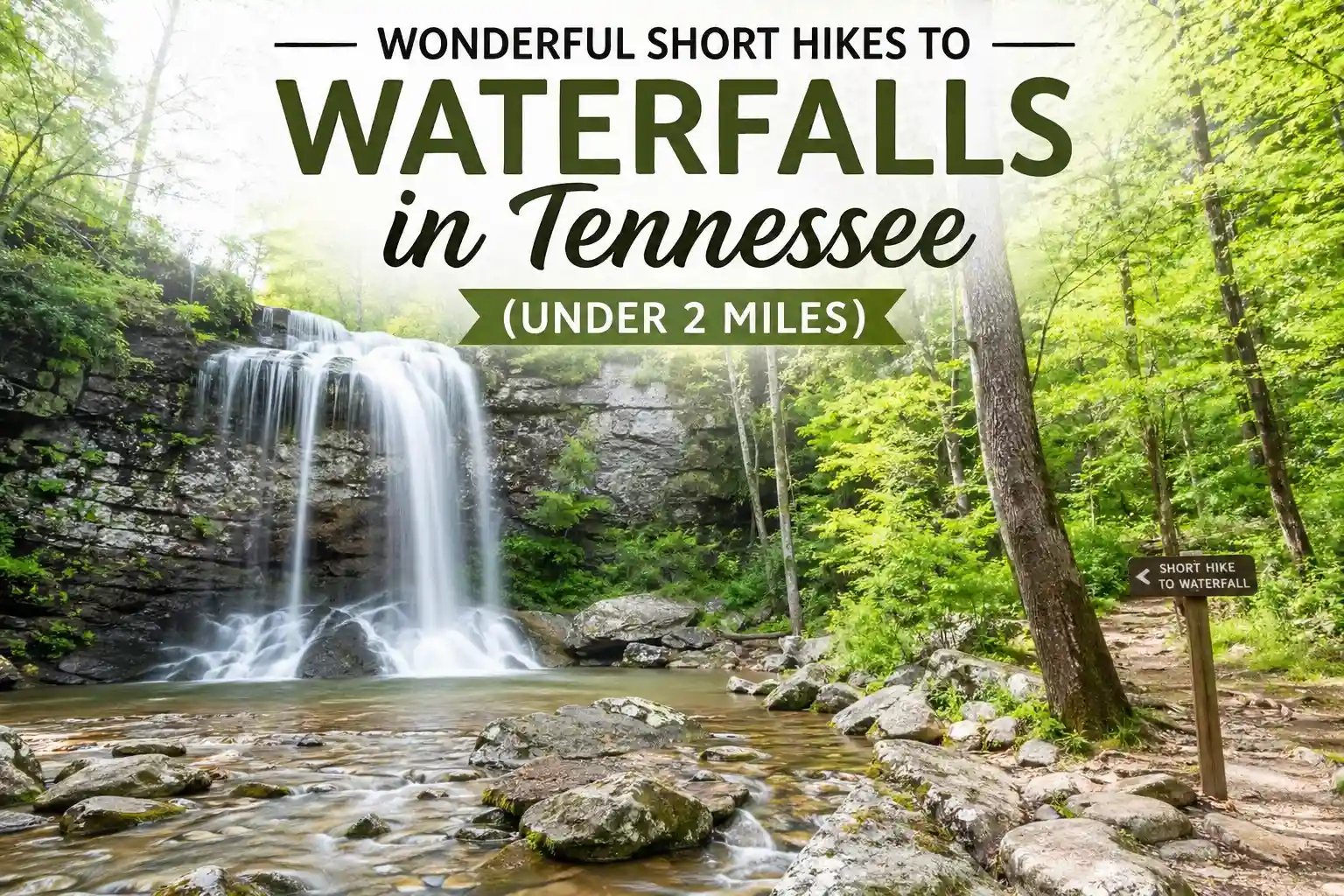
Guides Wonderful Short Hikes to Waterfalls in Tennessee (Under 2 Miles) in 2026
Let’s walk through this together, like we’re planning a weekend trip over coffee.
First, a quick reality check
Tennessee’s waterfall trails aren’t static. A path that’s dry and easy in September might be muddy and slippery in April after spring rains. Parking lots that feel spacious on a Tuesday can be completely full by 8:30 AM on a Saturday in October. And “under 2 miles” doesn’t always mean “flat and paved.” Some of these trails have roots, rocks, or gentle slopes that matter if you’re managing mobility concerns.
Based on Tennessee State Parks trail reports and 2026 maintenance updates, the most reliable short waterfall hikes tend to be at well-maintained state parks or national park visitor centers. That’s not a knock on remote natural areas; it’s just a heads-up that services, signage, and trail upkeep can vary. Checking the official park website or social media channel the morning of your hike is never a waste of time.
Let’s talk about the hikes themselves

I’ll keep this conversational. Imagine we’re looking at a map together, and I’m pointing out spots that fit your “short hike, big reward” criteria.
Cataract Falls, Great Smoky Mountains National Park
Start here if you want zero stress. This trail sits right behind the Sugarlands Visitor Center near Gatlinburg. It’s a flat, wide gravel path—about 0.2 miles round-trip, that leads to a gentle cascade. No elevation gain. No tricky footing. Just a peaceful walk with a waterfall payoff. It’s not the tallest or most dramatic falls in Tennessee, but it’s incredibly reliable. Perfect for introducing kids to hiking, for travelers with mobility considerations, or for anyone who wants a nature break without the commitment. Restrooms and visitor center amenities are steps away, which matters more than you’d think when you’re managing a group.
Ozone Falls, near Crossville
Now imagine pulling off Highway 70 and seeing a 110-foot waterfall within a five-minute walk. That’s Ozone Falls. The trail to the main overlook is roughly 0.4 miles round-trip on packed dirt. You’ll get that classic Tennessee gorge view—water plunging into a rocky basin, surrounded by sandstone cliffs. If you’re feeling adventurous, there’s a rougher path down to the base, but it involves scrambling on wet rocks. For a short hike with high visual impact, this one’s hard to beat. Just wear shoes with grip. The mist and limestone combo gets slick faster than you expect.
Twin Falls at Rock Island State Park
This is the “paved and protected” option. A short, accessible path with railings leads to a viewing platform overlooking Twin Falls, where water drops about 80 feet into a scenic gorge. The round-trip distance is roughly 0.3 miles. It’s shaded, well-maintained, and offers one of the most stress-free waterfall experiences in the state. If you’re traveling with older adults, young children, or anyone who prefers a stable footing, this checks a lot of boxes. Bonus: the park has picnic areas and restrooms nearby, making it easy to turn a quick hike into a relaxed half-day outing.
Narrows of the Harpeth, Harpeth River State Park
Here’s a pick with a story. Instead of a traditional cascade, you’ll walk through a hand-carved tunnel from the 1800s and emerge to see the Harpeth River squeezing through a narrow rock channel with a small waterfall. The round-trip hike is about 0.5 miles on a mix of paved and gravel paths. It’s shaded, historically interesting, and rarely feels crowded. If you’re near Nashville and want a quick nature escape that doesn’t feel like a theme park, this is a strong choice. Keep an eye on river levels—if it’s been raining heavily, the tunnel path can get damp or muddy.
Fall Creek Falls Overlook, Fall Creek Falls State Park
Sometimes you want to see Tennessee’s tallest waterfall east of the Mississippi without earning it with a steep climb. The overlook trail to Fall Creek Falls is roughly 0.4 miles round-trip, paved, and features railings. You’ll gaze down at a 256-foot plunge from a safe, accessible vantage point. The trail to the base of the falls is a different story—steep, rugged, and not short—but the overlook delivers the view with minimal effort. Great for sunset photos or a quick stop during a longer road trip through the Cumberland Plateau.
Upper Greeter Falls, South Cumberland State Park
If you’re near Monteagle and want a slightly more adventurous short hike, Upper Greeter Falls is a solid option. The trail from the Greeter Falls trailhead is about 1.2 miles round-trip with gentle elevation changes. You’ll walk through the forest, cross a small creek, and arrive at a wide, cascading waterfall. It’s more of a “natural trail” than a “paved path,” so footwear matters. But it’s still well within the “short hike” category and offers that sense of discovery without demanding technical skills. Just be aware: parking at the trailhead is limited, and weekend mornings fill fast.
A few things to keep in your pack
Even short hikes benefit from a little prep. You don’t need a full backpacking setup, but tossing in a few smart items makes the experience smoother.
Footwear with actual traction is non-negotiable. Tennessee’s waterfall trails often feature mist, algae, or damp limestone—even on paved sections. Trail runners or hiking sandals with grip work better than smooth-soled sneakers. If you’re only doing Cataract Falls or Twin Falls, you could get away with athletic shoes, but why risk a slip?
Bring more water than you think you’ll need. Short distance doesn’t mean low effort, especially in Tennessee humidity. A small reusable bottle fits easily in a pocket or small daypack.
Download offline maps before you go. Cell service drops unexpectedly in gorges and river valleys. Having a screenshot of the trailhead location or a saved map area takes two minutes and saves real frustration if your phone loses signal.
Check the weather, not just for your hike time, but for the 24 hours prior. Rain upstream can raise creek levels or make rocks slippery even if it’s sunny at the trailhead. Park websites and social media accounts often post the same-day trail condition updates. A quick scroll before you leave home is worth it.
One thing I learned the hard way
Early in my hiking planning days, I assumed “short” meant “always accessible.” I drove over an hour to a trailhead for a waterfall hike I’d read was “easy and under a mile.” When I arrived, a gate was closed for seasonal maintenance, a detail mentioned in a park alert I hadn’t checked. No signage on the main road, just a small notice on the park website. That mistake cost me half a day and taught me a lasting lesson: always verify current conditions through official park channels, not just third-party articles or static blog posts. What looks perfect on a screen isn’t always what’s waiting at the trailhead.
Tailoring the hike to your crew
If you’re traveling with young kids, lean toward Cataract Falls or Twin Falls. Both offer minimal distance, safe viewing areas, and nearby restrooms. Keeping the hike under 30 minutes round-trip often prevents meltdowns and keeps the experience positive for everyone.
For travelers managing joint pain or mobility considerations, prioritize trails with verified surface details. Cataract Falls, Twin Falls, and the Fall Creek Falls overlook feature paved or graded paths with accessible parking. Checking recent photos via the park’s official social channels can help set realistic expectations about trail conditions.
Photographers chasing light will find that early morning or late afternoon yields softer shadows and fewer people in shots. Overcast days actually work in your favor for waterfall photography; they reduce harsh contrast and bring out the texture of flowing water.
If solitude is your goal, target weekday mornings or lesser-known trailheads like Narrows of the Harpeth. Weekend afternoons at popular spots like Ozone Falls or Rock Island see the highest foot traffic.
Quick answers to questions people actually ask
Are any of these trails wheelchair accessible?
Select overlooks are. Cataract Falls, Twin Falls, and Fall Creek Falls Overlook feature paved, graded paths with accessible parking. Always verify current conditions via official park resources before visiting, as maintenance can temporarily affect accessibility.
Do I need a permit for any of these hikes?
No permits are required for the short waterfall hikes listed here. Some parks charge a small day-use fee, but advance reservations aren’t needed for day hiking.
What’s the best time of year for waterfall flow?
Late winter through spring typically offers the strongest flow from seasonal rain and snowmelt. Summer visits can still be rewarding, but check recent precipitation; some falls reduce significantly during dry spells.
Can I bring my dog?
Most Tennessee State Park trails allow leashed pets. However, natural areas with steep sections or creek crossings (like Greeter Falls) can be challenging for small or older dogs. Bring extra water for them and assess trail conditions before committing.
How early should I arrive to avoid crowds?
On weekends in spring or fall, popular trailheads can fill by 8:30 or 9 AM. Arriving before 9 AM on weekdays generally offers the most solitude and easiest parking.
A final thought before you go
Short waterfall hikes in Tennessee aren’t about checking boxes or racing to the most Instagrammed spot. They’re about finding moments of calm, wonder, or connection without demanding hours of effort. The best experiences come when you match the trail to your energy, your group, and the day’s conditions, not when you chase a generic “top 10” list.
Pick one that fits your pace. Pack a little smarter than you think you need to. Check conditions the morning of. And leave room for the unexpected, sometimes the best part of a short hike isn’t the waterfall itself, but the quiet moment you find along the way.
Leave a Reply