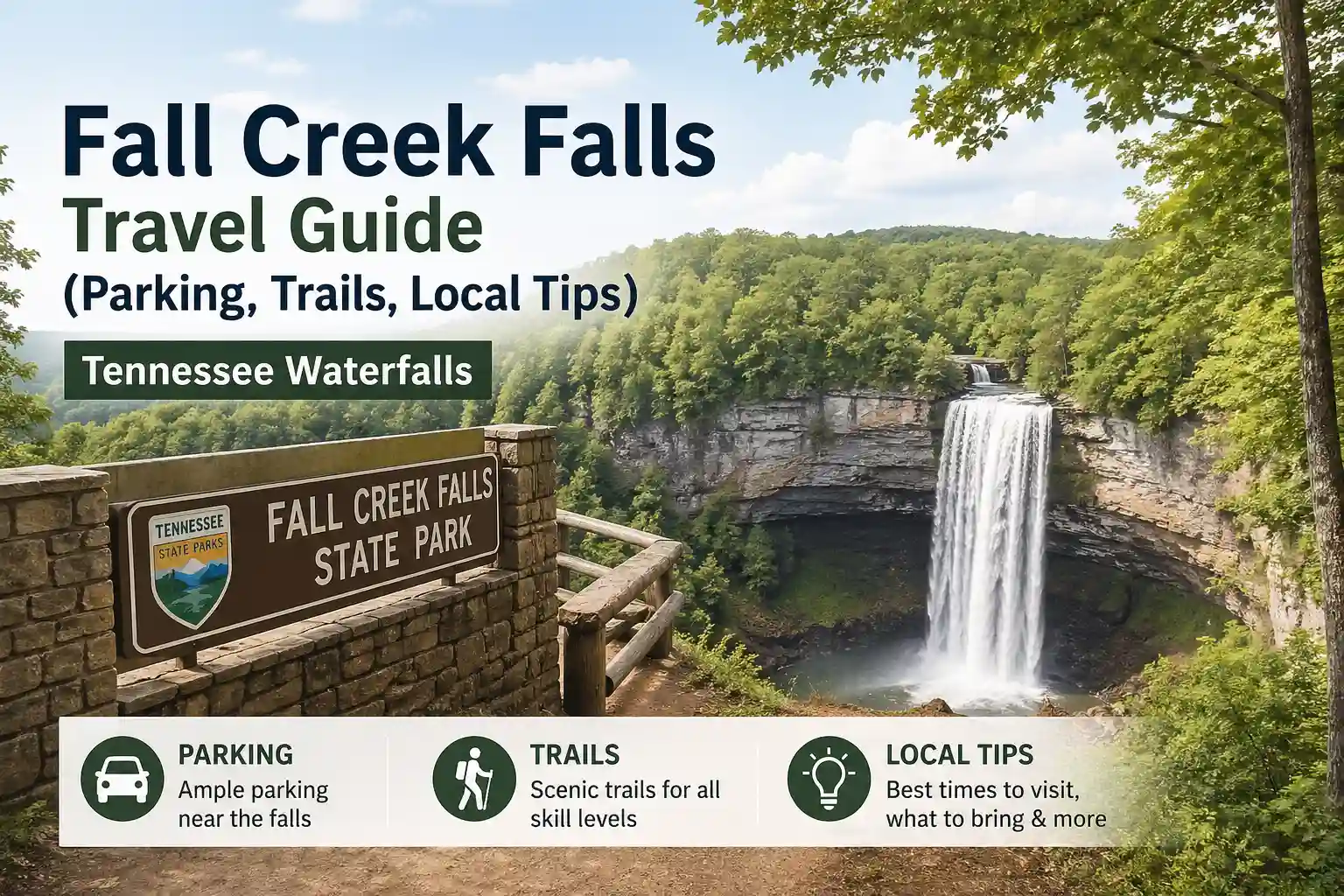
Fall Creek Falls Travel Guide (Parking, Trails, Tips) Plan Your Perfect Visit
Here’s the thing: Fall Creek Falls State Park is stunning, but it’s also bigger and more nuanced than a single postcard shot suggests. The difference between a smooth visit and a slightly stressful one often comes down to three things: where you park, which trail you actually want (not just the one with the most likes), and a handful of local insights that don’t make it into generic lists.
Let’s walk through this like I’m explaining it to a friend over coffee. No fluff. Just what you’ll actually care about when you’re standing in the parking lot with your backpack on.
First, the lay of the land
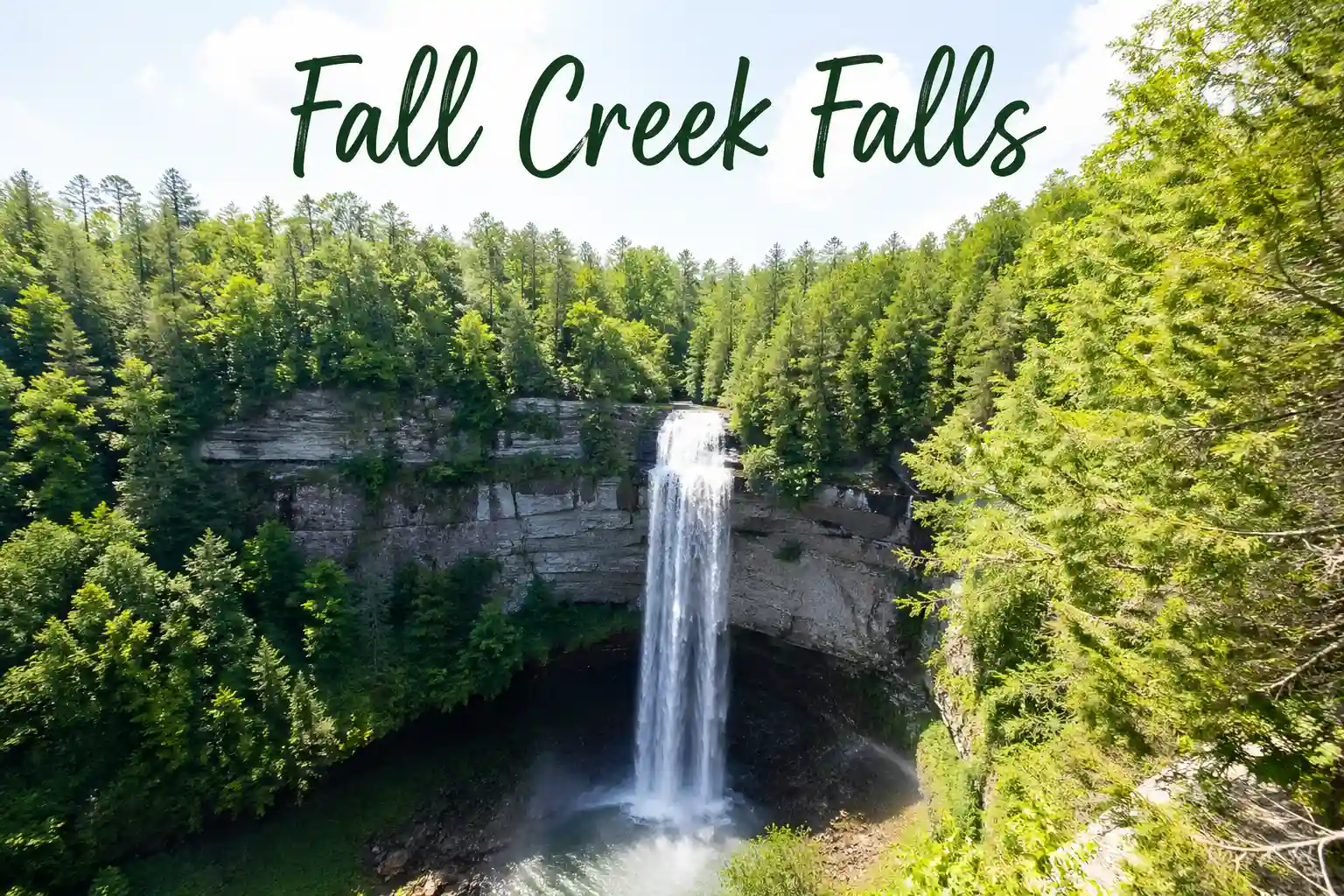
Fall Creek Falls isn’t just one trail to one waterfall. It’s a 29,000-acre state park in the Cumberland Plateau with multiple waterfalls, overlooks, creek beds, and trail networks. The main attraction, the 256-foot plunge, is visible from a paved overlook that takes about five minutes to reach. But if that’s all you do, you’re missing half the story.
The park has two primary zones that most day-trippers interact with:
- The Falls Area: Overlooks, the base-of-falls trail, and connections to Piney Creek.
- The Campground/Lodge Area: Amenities, restrooms, and alternative trailheads.
Knowing which zone you’re aiming for changes everything about your parking strategy, your footwear choice, and even what time you should leave home.
Parking: The Detail That Makes Or Breaks Your Morning
Let’s start here because this is where trips get derailed before they begin.
The main overlook lot holds roughly 40–50 vehicles. On a Saturday in October? It’s full by 8:15 AM. On a Tuesday in March? You might have your pick of spots until noon. According to 2026 park maintenance reports, overflow parking is occasionally opened on peak weekends, but it’s not guaranteed, and it adds a 10–15 minute walk to the overlook.
A few practical notes:
- The overlook lot is paved but uneven in spots. If you’re driving a low-clearance vehicle, take it slow.
- Restrooms are available near the lot, but they’re not always stocked midday on busy weekends. Plan accordingly.
- There’s a second, smaller lot near the campground that provides access to the base-of-falls trail via a connector path. It’s often less crowded, but the walk to the overlook is longer.
Here’s a tip that saves time: check the Tennessee State Parks website or their social channels the morning of your visit. They sometimes post real-time updates about the lot capacity or trail closures. It’s a small step, but it prevents the “drive-and-pray” approach.
Trails: Picking The Right One For Your Energy, Not Your Instagram Feed
This is where opinions vary, and that’s okay. Not every trail needs to be a challenge. Not every view needs a scramble. Let’s break down the main options by what you’re actually looking for.
The Overlook Trail (Paved, <0.5 miles round-trip)
- Effort: Minimal. Flat, paved, railings at the viewpoint.
- Best for: Families with strollers, travelers with mobility considerations, quick photo stops, or anyone short on time.
- Reality check: You’ll see the full height of the falls, but you’re viewing from above. The mist doesn’t reach you here, and the sound is more distant than immersive.
Base of Falls Trail (~1.2 miles round-trip, moderate)
- Effort: Moderate. Steep descent (and return climb) via stone steps and packed dirt. Uneven in spots.
- Best for: Visitors who want to feel the mist, hear the roar up close, and don’t mind a workout.
- Footwear note: Trail runners or hiking shoes with grip are wise. The steps get slick from the spray, especially in the spring.
Piney Creek Falls Connection (~2.5 miles round-trip if combined)
- Effort: Moderate to challenging, depending on how far you go.
- Best for: Hikers who want to extend their visit and see a second, quieter waterfall.
- Local insight: Piney Creek Falls is often less crowded than Fall Creek Falls. If you’re seeking a moment of quiet, this connector trail delivers.
Gorge Trail (Advanced, seasonal access)
- Effort: Challenging. Involves rock scrambling, creek crossings, and route-finding.
- Best for: Experienced hikers with proper footwear and weather awareness.
- Important: This trail can close after heavy rain due to flash flood risk. Always check conditions before attempting.
If you’re unsure where to start, here’s a simple filter: Do you want a view, or an experience? The overlook gives you the former with minimal effort. The base trail gives you the latter with moderate exertion. Neither is “better”—they just serve different intentions.
Local tips that actually move the needle
These aren’t the glossy suggestions you see everywhere. They’re the small, practical details that smooth out a visit.
Timing matters more than you think. Weekday mornings before 10 AM offer the quietest trails and softest light for photos. Weekend afternoons in peak season? Expect company. If you’re flexible, shift your visit earlier in the day or target shoulder seasons (late April, early October) for a better balance of flow and solitude.
Weather isn’t just about comfort—it changes the experience. After rain, the falls run fuller and louder. That’s dramatic for photos, but it also means slicker rocks and stronger currents near the base. Conversely, during dry spells, the flow can reduce to a trickle. Checking the 48-hour precipitation history for the Pikeville area gives you a clearer picture than the day-of forecast alone.
Pack for the in-between moments. Tennessee weather in the gorge can shift quickly. A lightweight, packable layer handles morning chill and afternoon humidity. Bring more water than you think you’ll need; humidity and elevation changes add up. And keep a small dry bag for your phone if you plan to get close to the mist.
Food and fuel are nearby. The park has a lodge, restaurant, and seasonal snack stand, but hours vary. For more reliable options, the town of Pikeville (about 10 minutes away) has casual diners and grocery stops. If you’re coming from Chattanooga or Nashville, grabbing supplies before you turn off the highway saves backtracking later.
One thing I learned the hard way
The first time I visited Fall Creek Falls, I parked at the main lot and assumed the overlook trail would be straightforward. I didn’t account for weekend crowds arriving at 8 AM—and spent 20 minutes just circling for parking. That small oversight compressed my hiking window and taught me to check real-time lot status before leaving home. It’s a minor detail, but it shifted how I plan all park visits now: verify logistics first, then enjoy the scenery.
Quick answers to questions people actually ask
Is the overlook wheelchair accessible?
Yes. The paved overlook trail has a gentle grade and railings. Accessible parking is available near the trailhead. The base-of-falls trail, however, involves steep steps and is not accessible.
Can I swim at the base of the falls?
Swimming isn’t officially prohibited, but it’s strongly discouraged. Rocks are slippery, currents can be unpredictable, and water temperatures stay cold year-round. Most visitors find that enjoying the view from designated areas is safer and just as rewarding.
Are dogs allowed on trails?
Leashed pets are welcome on most park trails. Keep in mind that steep sections and rocky terrain near the base can be tough on smaller or older dogs. Bring extra water for them, especially in warmer months.
Do I need a reservation to visit?
No reservation is required for day use. A small day-use fee may apply; check the Tennessee State Parks website for current rates. Camping and lodge stays do require advance booking.
What if I only have an hour?
Focus on the overlook trail. You’ll see the main falls, snap photos, and be back at your car with time to spare. If you have two hours, add the base-of-falls trail for a more immersive experience.
A Few Parting Thoughts, Straight Up
If you’re hoping for a quiet, solitary moment at the overlook on a Saturday afternoon in fall foliage season, adjust expectations. Popular times draw crowds. That doesn’t ruin the experience—it just means arriving earlier or choosing a weekday if solitude matters to you.
If you’re traveling with kids or anyone who tires easily, the overlook trail is your friend. It delivers the iconic view without demanding a climb. Save the base trail for another visit when energy and time allow.
And if you’re chasing photos, overcast days often produce better waterfall images than bright sun. Harsh midday light creates strong shadows; soft, diffused light reveals texture in the rock face and water.
Leave a Reply