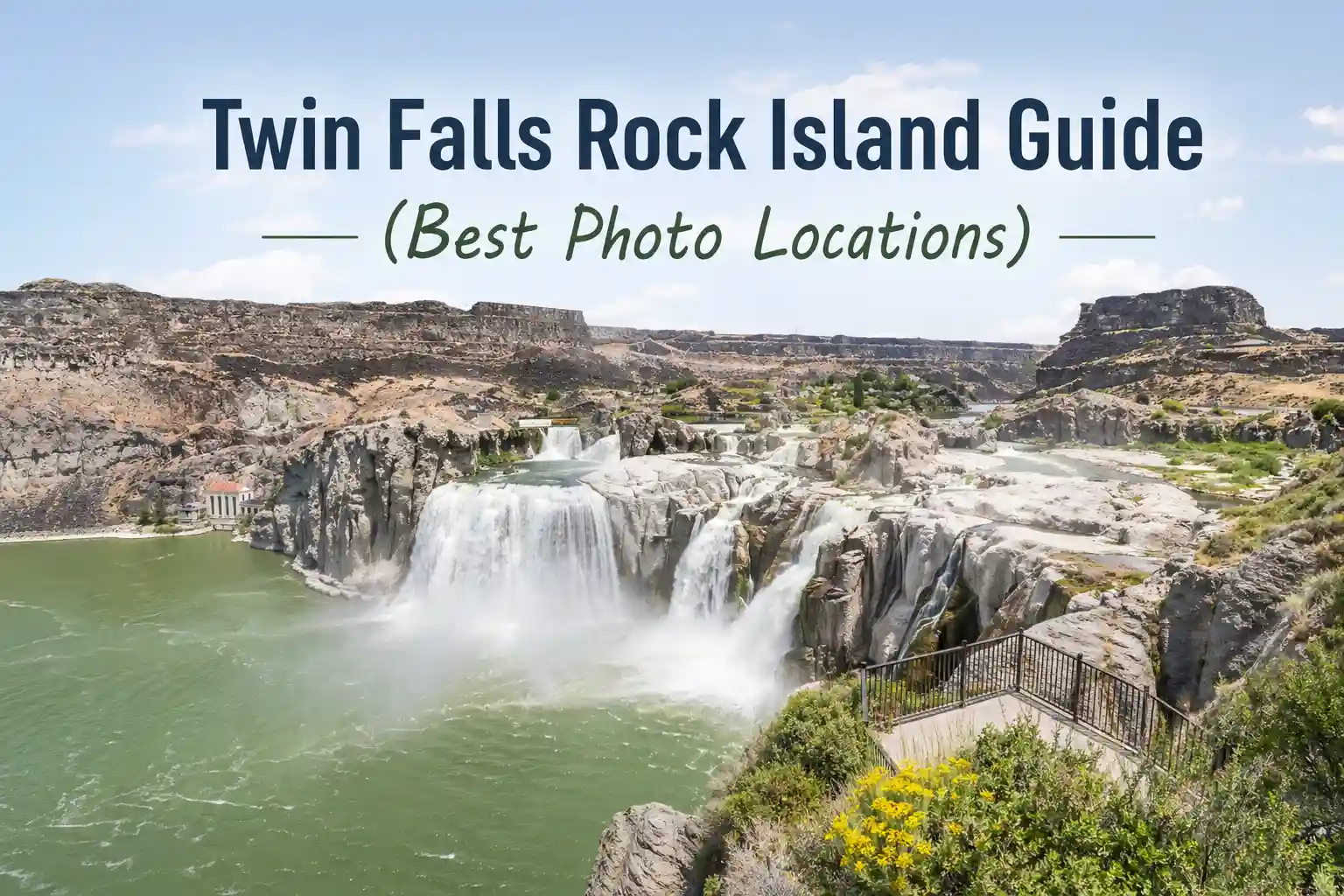
Twin Falls Rock Island Guide (Best Photo Locations): Capture the Shot Without the Crowd
That’s the headline. But if you stop there, you’ll miss why some visitors walk away with stunning images while others end up with blurry, crowded snapshots that look like every other post online. This guide goes deeper, covering light angles, seasonal flow variations, gear that actually helps (and what doesn’t), and the quiet spots most people walk right past.
The Lay of the Land: Twin Falls in 2026
Twin Falls sits inside Rock Island State Park in Tennessee’s Upper Cumberland region. Two distinct cascades drop roughly 80 feet into a narrow gorge carved by the Rocky River. What makes this location photogenic isn’t just the water—it’s the geology. Limestone walls, layered rock formations, and dense canopy create natural framing that changes with the sun’s position.
Based on Tennessee State Parks’ 2026 maintenance reports, the main overlook trail remains paved and accessible, with safety railings added in late 2025. That’s great news for visitors with mobility considerations. For photographers, it means predictable footing but also predictable crowds. The paved path draws the majority of foot traffic, which concentrates people at the primary viewpoint.
According to park visitation data using 2026 averages, weekends between April and October see the highest congestion. Parking lots typically reach capacity by 9:15 AM on Saturdays. If your goal is a clean shot without people in the frame, timing matters more than gear.
Where to Stand: Specific Photo Locations Ranked
Location 1: The Downstream Bend (Best Overall)
- How to find it: From the main overlook, follow the riverbank downstream (left if you’re facing the falls). Look for a subtle game trail leading to a rocky outcrop about 40 yards away.
- Why it works: The river curves here, creating a natural leading line toward the falls. The angle captures both cascades without the railing or crowd in frame. Morning light hits the water directly; afternoon light backlights the mist.
- Best time: 7:30–9:00 AM for direct illumination; 4:30–6:00 PM for dramatic backlighting.
- Gear tip: A 24-70mm lens covers this composition comfortably. A tripod helps if you want silky water effects, but handheld works fine at ISO 800+ on modern cameras.
Location 2: The Upper Vantage (Best for Context)
- How to find it: Continue past the main overlook on the paved path. A short, unmarked side trail on the right leads to a higher rocky ledge.
- Why it works: This elevated perspective shows both falls plus the river’s path through the gorge. Ideal for wide-angle landscape shots that tell a story about the setting.
- Best time: Late morning (10 AM–12 PM) when the sun clears the ridge and illuminates the full scene.
- Gear tip: Wide-angle lenses (16-35mm) shine here. Bring a circular polarizer to manage reflections on wet rock surfaces.
Location 3: The Gorge Floor (Best for Intimacy)
- How to find it: This requires descending a short, unmaintained scramble from the downstream bend. Not recommended in wet conditions or for those uncomfortable with uneven terrain.
- Why it works: Shooting upward from the base creates a sense of scale and drama. Mist from the falls adds atmosphere, and the confined space isolates your subject.
- Best time: Midday, when sunlight penetrates the gorge enough to illuminate the falls without harsh shadows.
- Gear tip: Weather-sealed gear is wise here. Mist is constant. A lens cloth and protective sleeve for your camera bag aren’t optional—they’re essential.
Location 4: The Overlook at Golden Hour (Best for Accessibility)
- How to find it: The main paved overlook, accessible from the parking area.
- Why it works: If mobility or time is limited, this spot still delivers. The railings provide stability, and the composition is classic. Arrive early or late to avoid crowds.
- Best time: Sunrise or sunset for warm, directional light. Overcast days also work well—soft, even illumination reduces harsh contrasts.
- Gear tip: Even smartphone cameras perform well here. Use portrait mode for depth simulation, or manual mode to control shutter speed for water motion.
Light, Timing, and Season: The Variables That Actually Matter

Photography tutorials love to talk about gear. In practice, light and timing dominate outcomes at Twin Falls.
Morning vs. Afternoon Light
The gorge runs roughly east-west. Morning sun illuminates the falls directly, creating bright, vibrant images with visible detail in the water. Afternoon light comes from behind the falls, backlighting mist and creating a dreamy, high-contrast effect. Neither is “better”—they serve different creative goals. If you want clarity and color, go early. If you want mood and atmosphere, aim for late afternoon.
Seasonal Flow Variations
Using 2026 precipitation patterns for the Upper Cumberland region:
- Late winter through spring (February–May): Strongest flow from seasonal rain and snowmelt. Water volume is dramatic, but mist increases. Bring lens protection.
- Summer (June–August): Flow can reduce significantly during dry spells. The falls remain photogenic, but expect less power. Midday heat also creates haze that softens distant details.
- Fall (September–November): Foliage adds color, framing the gorge. Flow varies with rainfall. Early November often offers the best balance of color and water volume.
- Winter (December–January): Lowest crowds, but shortest daylight hours. Ice formations can appear after freezing temps, creating unique photo opportunities—but trail conditions become hazardous.
Weather as a Creative Tool
Overcast days aren’t a backup plan—they’re an advantage. Cloud cover acts as a natural diffuser, eliminating harsh shadows and reducing the dynamic range your camera must handle. Rain, meanwhile, deepens rock colors and increases mist. If your gear is weather-sealed and you’re comfortable shooting in damp conditions, light rain can elevate your images.
Practical Strategies: Getting the Shot Without the Stress
Arrive With a Plan, Not Just a Camera
Before you leave home, check the park’s official social channels or website for same-day alerts. Trail closures, maintenance, or unusual crowding can shift your strategy. Download an offline map of the area—cell service drops unexpectedly in the gorge.
Pack Light, But Pack Smart
You don’t need a full camera bag for Twin Falls. In fact, lighter gear encourages mobility, which helps you explore those unmarked spots. A practical kit:
- Camera body with a versatile zoom (24-70mm or equivalent)
- Circular polarizing filter (reduces glare on wet stone and water)
- Compact tripod or monopod (optional; useful for long exposures)
- Lens cloth and small microfiber towel (mist is real)
- Extra battery (cold or humid conditions drain power faster)
Work the Scene, Don’t Just Shoot It
Arrive at your chosen location and spend five minutes observing before raising your camera. Notice where other visitors stand. Watch how light moves across the falls. Identify foreground elements—mossy rocks, fallen branches, river curves—that can add depth. Then experiment: try vertical compositions, shift your position a few feet left or right, and adjust your shutter speed to control water motion. The difference between a good photo and a great one often comes from those small adjustments.
Respect the Space and Other Visitors
This isn’t just etiquette—it’s practical. Crowded overlooks create frustration and rushed shots. If you see a group setting up for a portrait, wait your turn or scout an alternate angle. Moving 20 yards downstream often yields a cleaner composition with zero competition. Patience compounds: the visitors who linger tend to leave with better images.
What Most Travel Blogs Get Wrong About Photographing Twin Falls
Scroll through typical guides and you’ll see the same advice repeated: “Visit in spring for the best flow!” or “Use a tripod for long exposures!” That’s not wrong, exactly. It’s just incomplete.
Here’s what’s missing: crowd behavior is predictable, and you can work around it. Most visitors park, walk to the main overlook, take a few photos, and leave within 20 minutes. If you arrive early and spend an extra 15 minutes exploring downstream, you’ll often have the best angles to yourself. The content you see online isn’t a ceiling—it’s a map of where not to stand if you want originality.
Another gap: gear obsession. Blogs love listing expensive filters and lenses. But at Twin Falls, a smartphone with good composition skills often outperforms a pro camera in the hands of someone rushing. The bottleneck isn’t equipment. It’s understanding light, patience, and willingness to wander slightly off the paved path.
One more thing: seasonal advice rarely accounts for recent weather. A “strong flow” recommendation means little if the region has experienced a two-week dry spell. Checking the 10-day precipitation forecast for the Upper Cumberland region before your trip gives you far more useful intel than generic seasonal guidance.
Scenario Breakdown: Tailoring Your Visit to Your Goals
First-Time Visitors Wanting One Great Shot
Stick to the main overlook at sunrise. You’ll get reliable lighting, safe footing, and a classic composition. Arrive by 7:45 AM to secure a spot at the railing before crowds build. Use your phone’s portrait mode or a camera’s aperture priority at f/8 for sharpness throughout the scene.
Photographers Chasing Unique Angles
Target the downstream bend or gorge floor. Bring weather protection for your gear. Scout the area the evening before if possible—light changes fast, and knowing the terrain in daylight makes golden-hour shooting smoother. A polarizing filter is worth its weight here; it cuts reflections that otherwise wash out rock detail.
Families or Groups with Mixed Skill Levels
Use the main overlook as your base. It’s accessible, safe, and forgiving. Let experienced shooters explore nearby while others enjoy the view. Set a meetup time and location to avoid separation anxiety. The paved path also works well for casual video or smartphone photography.
Travelers with Limited Time or Mobility
The overlook delivers. You don’t need to hike far for a rewarding image. If stairs or uneven terrain are concerns, the paved path and railings provide stability. Visit on a weekday morning for the best balance of light and minimal crowding.
Quick Answers to Real Questions
Can I use a drone at Twin Falls?
No. Rock Island State Park prohibits drone launches from park property without special permits. Federal FAA rules also restrict flight in certain airspace. Keep your photography ground-based to avoid fines or confiscation.
Is the gorge floor safe for photography?
It can be, with caution. Rocks are slippery year-round due to mist. Avoid the scramble after rain or if you’re uncomfortable with uneven terrain. Never turn your back on the river—water levels can rise unexpectedly after upstream rainfall.
What camera settings work best?
Start with aperture priority at f/8 for landscape sharpness. ISO 100–400 in good light; increase as needed. For silky water effects, use a tripod and shutter speeds of 1/2 second or longer. If handheld, keep shutter speed above 1/125 to avoid motion blur.
Do I need a permit to photograph here?
No permit is required for personal, non-commercial photography. Commercial shoots, weddings, or organized photo workshops may require advance approval from Tennessee State Parks. When in doubt, contact the park office before your visit.
What if it’s crowded when I arrive?
Have a backup plan. The downstream bend often has fewer people, even when the main overlook is busy. Alternatively, visit nearby attractions like Great Falls Dam or the park’s historic mill for varied compositions while waiting for crowds to thin.
Practical Recommendations
Let’s be direct: the best photo location at Twin Falls isn’t a secret—it’s just less obvious. The downstream bend requires walking a bit farther and paying attention to your footing. That small extra effort separates memorable images from standard snapshots.
For visitors prioritizing simplicity, the main overlook at sunrise remains a reliable choice. You’ll get good light, stable footing, and a composition that works. Just arrive early enough to claim space at the railing.
If you’re experimenting with techniques like long exposures or intentional motion blur, bring a compact tripod and neutral density filter. But don’t let gear acquisition become the goal. The falls don’t care what camera you use. They respond to light, timing, and your willingness to observe before shooting.
One more thing: protect your equipment. Mist from the falls is constant, and the humidity in the gorge is high. A simple lens cloth and a zip-top bag for your camera when not in use prevent moisture damage that ruins shots later.
Leave a Reply