Best National Parks for Stargazing in the US: A Dark-Sky Guide
Most Americans have never seen the Milky Way from home. These national parks offer some of the darkest skies left in the country, plus the timing tricks that make the difference.
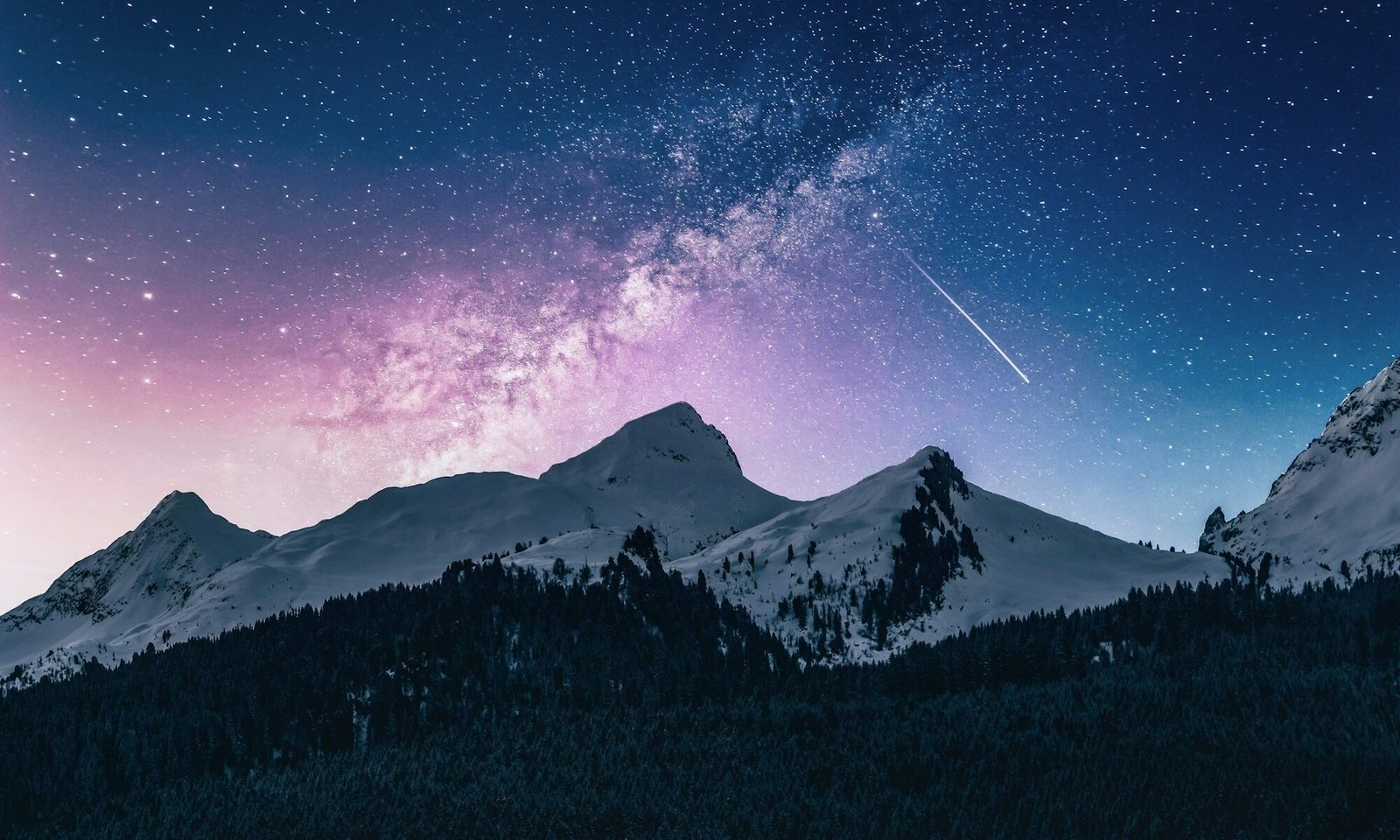
The best national parks for stargazing are Big Bend in Texas, Great Basin in Nevada and Death Valley in California, followed closely by Bryce Canyon and the other parks of southern Utah. Go within a few days of the new moon. That matters more than which park you choose. To see the Milky Way’s bright core, visit between March and October and give your eyes 20 to 30 minutes in full darkness.
A large share of Americans live where light pollution hides the Milky Way. That makes a truly dark sky feel almost shocking the first time you see one: so many stars that familiar constellations get lost in the crowd, and a pale band of light stretching from horizon to horizon. The good news is that some of the darkest skies left in the country are protected inside national parks.
This guide covers the best national parks for stargazing, when to go, how the moon changes everything, what to bring and how to photograph the night sky with the camera you already own.
- New moonThe single biggest factor
- Mar–OctMilky Way core season
- 20–30 minFor your eyes to adapt
- Red lightKeeps your night vision
What makes a sky “dark”?
Three things matter most: distance from city lights, altitude and dry air, and the moon. Parks far from big cities and high in the desert West tend to have the clearest, darkest skies. Many parks have been certified by DarkSky International (formerly the International Dark-Sky Association) as International Dark Sky Parks. That certification means the park works actively to limit artificial light and runs public night-sky programs.
Astronomers often describe darkness with the Bortle scale, from 1, the darkest skies on Earth, to 9, an inner-city sky. Most suburbs sit around 5 to 7. Many of the parks below reach 1 or 2 on a clear, moonless night.
The best national parks for stargazing
1. Big Bend National Park, Texas
Big Bend sits in a remote corner of West Texas along the Rio Grande, hours from any major city. It is widely considered one of the darkest places in the Lower 48. Winter and spring offer comfortable nights and clear desert air. Combine stargazing with hot springs along the river and hiking in the Chisos Mountains. Book lodging early, because options inside the park are limited.
2. Great Basin National Park, Nevada
Great Basin is one of the least visited national parks, which is part of its magic. High elevation and dry air make for exceptionally clear skies, and the park hosts an annual astronomy festival along with frequent ranger-led astronomy programs in summer. Pair a night under the stars with a tour of Lehman Caves and a hike among ancient bristlecone pines.
3. Death Valley National Park, California and Nevada
Death Valley has some of the darkest skies in the country despite being within driving distance of Las Vegas. The best seasons for night-sky trips are late fall through early spring, when nights are cool and comfortable. Summer nights can still be dangerously hot. Harmony Borax Works and the Mesquite Flat Sand Dunes are popular dark-sky spots.
4. Bryce Canyon National Park, Utah
Bryce Canyon sits above 8,000 feet, and its astronomy programs are among the best in the park system, led by rangers and volunteer astronomers with telescopes. The park’s annual astronomy festival is a highlight. Nights are cold even in summer, so pack a warm layer and a hat.
5. Natural Bridges National Monument, Utah
Natural Bridges became the world’s first International Dark Sky Park in 2007. It is a small, quiet site where you can photograph the Milky Way rising above a stone bridge. It is a great add-on to a Utah road trip.
6. Capitol Reef, Canyonlands and Arches, Utah
Southern Utah may be the best region in the country for a stargazing road trip. Capitol Reef, Canyonlands and Arches all hold dark-sky certifications. Canyonlands’ Island in the Sky district has huge open horizons. Arches gives you the classic shot of stars framed by sandstone, though it is closer to Moab’s lights. Our Utah Mighty 5 road trip lets you stargaze in a different park every night.
7. Grand Canyon National Park, Arizona
Grand Canyon is an International Dark Sky Park, and its annual Star Party draws amateur astronomers with telescopes to both rims. The North Rim, higher and more remote, is especially dark, though it is open only part of the year.
8. Joshua Tree National Park, California
Joshua Tree is the easiest dark-sky escape from Los Angeles and San Diego. The skies are not as pristine as Death Valley’s because of light from Southern California cities to the west, but the eastern side of the park is still remarkable. The Cottonwood area and pullouts along Pinto Basin Road are good choices.
9. Black Canyon of the Gunnison, Colorado
This deep, narrow canyon in western Colorado offers dark skies, summer astronomy programs and a dramatic setting. It is often uncrowded, especially on weeknights.
10. Chaco Culture National Historical Park, New Mexico
Chaco is remote, reached by a rough final stretch of road, and carries deep astronomical significance. Its Ancestral Puebloan builders aligned structures with solar and lunar cycles. The park has an observatory and runs night-sky programs in season. It is a profound place to watch the sky.
When to go: the moon matters more than the month
The most important planning step is checking the moon. A bright full moon washes out all but the brightest stars. For the best views, plan your trip within a few days of the new moon, or on nights when the moon sets early or rises late.
Milky Way season
In the Northern Hemisphere, the bright galactic core of the Milky Way is visible from roughly March to October:
- March–May: the core rises in the early morning hours before dawn.
- June–August: the core is visible for much of the night, rising in the evening. This is the easiest season for most people.
- September–October: the core is visible in the early evening, setting in the southwest.
Outside of this window you can still see a beautiful starry sky, but not the brightest part of the Milky Way.
Meteor showers
Major annual showers include the Perseids in mid-August and the Geminids in mid-December. Check the moon phase in the year you plan to go. A shower during a full moon is a much smaller show.
How to stargaze: a beginner’s guide
- Arrive before dark. Scout your spot in daylight so you know where the edges, trails and parking are.
- Turn off the lights. Use a red flashlight or a headlamp with a red mode. White light ruins night vision for many minutes.
- Give your eyes time. It takes 20 to 30 minutes for your eyes to adapt fully. Put your phone away, or turn on its night mode and dim the screen.
- Get comfortable. A reclining camp chair or a sleeping pad on the ground makes a long session much more enjoyable.
- Use a star app sparingly. Sky maps help identify planets and constellations, but use them with red mode and low brightness.
- Join a ranger program. Many parks run free night-sky talks and telescope viewing in season. They are the best introduction to the sky.
What to bring
- Warm layers, a hat and gloves. Desert and mountain nights get cold fast, even in summer.
- A red flashlight or headlamp.
- Binoculars. Even inexpensive ones reveal star clusters, the moons of Jupiter and the craters of the moon.
- A reclining chair or blanket.
- Water and snacks.
- A printed or offline star map.
- Bug spray in summer.
Photographing the night sky
With a phone
Recent smartphones from Apple, Google and Samsung have night or astrophotography modes that can capture the Milky Way when the phone is perfectly still. Use a small tripod or lean the phone against a rock, turn off the flash, and let the exposure run for its full length.
With a camera
- Use a sturdy tripod and a wide-angle lens with a wide aperture, f/2.8 or faster if you have it.
- Start with ISO 3200, aperture wide open and a shutter speed around 15 to 20 seconds on a full-frame camera. Longer exposures can turn stars into short trails.
- Focus manually on a bright star using live view magnified. Autofocus rarely works in the dark.
- Shoot in RAW so you can adjust white balance and noise later.
- Include a foreground, such as a tree, arch or ridge, to give the photo a sense of place.
Safety at night
- Stay on established roads and trails. Cliffs and drop-offs are hard to see after dark.
- Watch for wildlife on roads, especially deer and elk at dusk and night.
- Follow park rules on where you can park and how late, and camp only in designated areas.
- In the desert, carry extra water and know where you are going. Cell service is often unavailable.
- Read our solo travel safety tips if you plan to stargaze alone.
Why dark skies are disappearing, and how parks protect them
Artificial light at night has grown steadily for decades, and studies of satellite data and citizen-science observations suggest that the night sky is getting brighter in many regions every year. Light pollution does not just hide the stars. It disrupts migrating birds, nocturnal wildlife and even human sleep.
Dark sky parks fight back with simple measures: replacing glaring fixtures with shielded lights that point down, using warmer and dimmer bulbs, turning off unnecessary lighting and educating visitors. You can help by keeping headlights and lanterns off at viewpoints, using red light and supporting dark-sky-friendly lighting at home. A fully shielded porch light makes a real difference in your own neighborhood.
Stargazing with kids
Children often remember a night under a truly dark sky for the rest of their lives. A few tips make it easier:
- Pick a night when the Milky Way is visible early, in midsummer or early fall, so you are not keeping kids up until 2 a.m.
- Start with easy targets: the moon through binoculars, a bright planet, the Big Dipper.
- Bring blankets, cocoa and snacks so it feels like an adventure.
- Join a ranger program. Many parks offer Junior Ranger night-sky activities and telescope viewing.
- Keep the first outing short. Thirty minutes of real darkness beats a long, cold night.
A sample five-night dark-sky itinerary
- Night 1, Grand Canyon South Rim: watch the sky over the canyon from a quiet viewpoint away from the village.
- Night 2, Page, Arizona: after a day at Horseshoe Bend, drive a few minutes out of town for a desert sky.
- Night 3, Bryce Canyon: join a ranger astronomy program if one is scheduled.
- Night 4, Capitol Reef: stargaze from the Fruita area or a pullout along the scenic drive.
- Night 5, Natural Bridges or Canyonlands: finish with the Milky Way over stone.
Time the trip so the middle nights fall near the new moon, and leave a weather buffer, since a single cloudy night is common even in the desert.
Plan a dark-sky road trip
If you want to see as many dark skies as possible in one trip, southern Utah and northern Arizona are hard to beat. A week-long loop can include Grand Canyon, Page, Bryce Canyon, Capitol Reef, Natural Bridges and Canyonlands, with a new moon in the middle of the trip. Start with our guide to Page, Arizona and build from there.
Frequently asked questions
What is the darkest national park in the US?
Big Bend, Great Basin and Death Valley are often cited among the darkest in the Lower 48. All three offer outstanding skies on moonless nights.
When is the best time to see the Milky Way?
From roughly March to October, on nights close to the new moon, far from city lights.
Can I see the Milky Way with the naked eye?
Yes. Under a dark sky with no moon, the Milky Way is clearly visible without binoculars or a telescope once your eyes have adapted for 20 to 30 minutes.
Is it safe to stargaze alone in a national park?
Generally yes, if you stay at established pullouts and trailheads, tell someone your plan, carry water and a light, and follow park rules on closing hours and camping.
Do national parks have stargazing programs?
Yes. Many parks run free ranger-led astronomy programs in season, and some hold annual astronomy festivals. Check each park’s calendar a few weeks before your trip, because programs fill up and depend on staffing.
Eric Gamble
Eric Gamble is the founder of Travon Inc. and editor-in-chief of Travon Blog, based in New Orleans. He plans every guide around the questions travelers actually ask before they book: when to go, what it really costs, how to get around and what is worth skipping. Eric oversees research, fact-checking and the regular updates that keep each guide accurate.