Northern Lights in the USA: Where and When to See the Aurora
You don’t need to fly to Iceland or Norway to see the northern lights. Fairbanks, Alaska, sits right under the auroral oval, and during strong solar storms the aurora reaches Minnesota, Michigan, Maine and beyond. Where to go, which months work, how to read the forecast and how to photograph it with a phone.

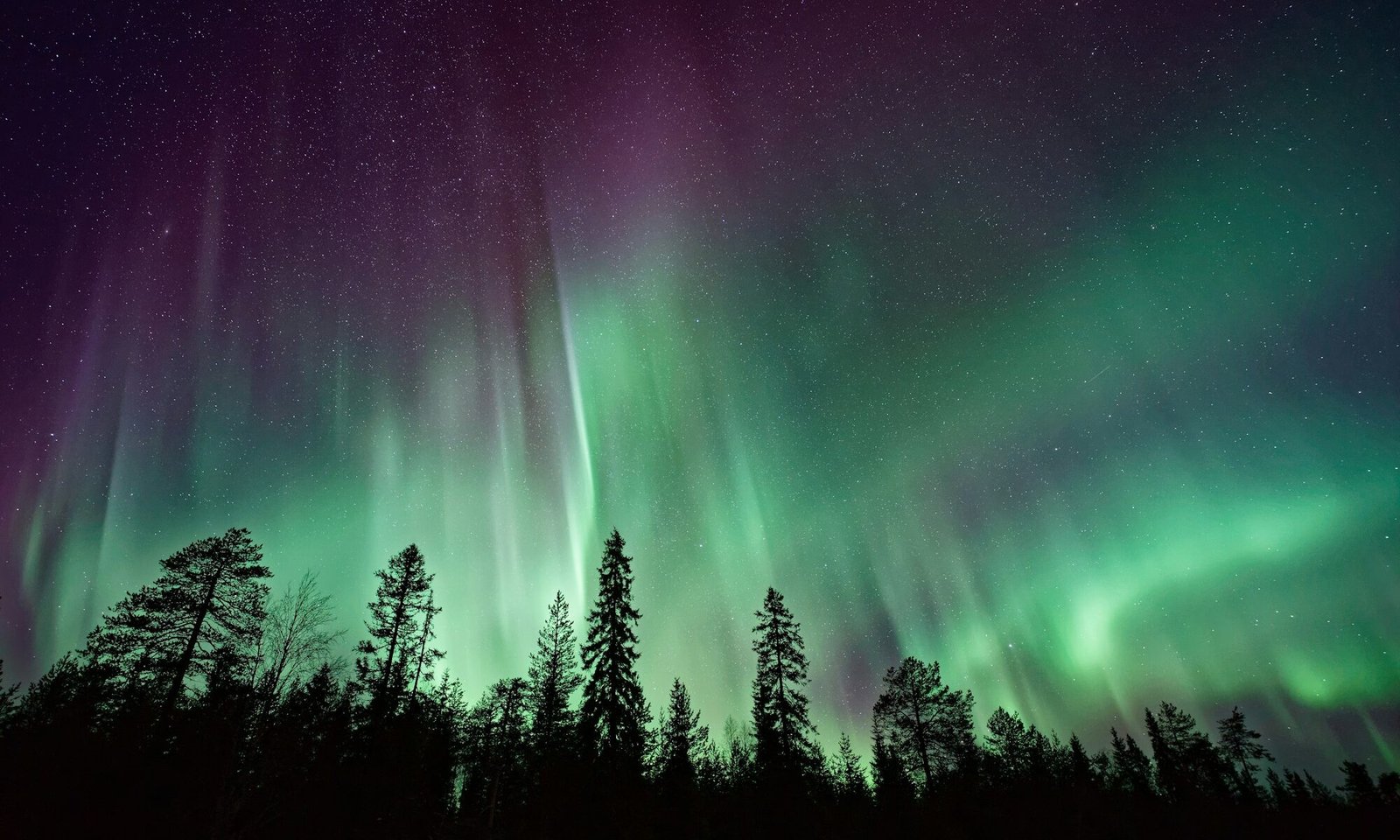
The best place to see the northern lights in the United States is Fairbanks, Alaska, which sits beneath the auroral oval and has frequent displays from late August to mid-April on clear, dark nights. Farther north, Coldfoot and Wiseman in the Brooks Range have even better odds. In the lower 48, you need a geomagnetic storm, usually a Kp index of 5 or higher, to see the aurora from northern Minnesota, Michigan’s Upper Peninsula, North Dakota, Montana, Washington or northern Maine. Watch between about 10 p.m. and 2 a.m., away from city lights, near a new moon, and check NOAA’s aurora forecast.
The northern lights, or aurora borealis, happen when charged particles from the sun collide with gases in Earth’s upper atmosphere, about 60 to 200 miles above the ground. Earth’s magnetic field funnels those particles toward the poles, so auroras appear most often in a ring around the Arctic, called the auroral oval. Oxygen atoms produce the most common color, green, at lower altitudes, and rare deep red at higher altitudes. Nitrogen adds purple, pink and blue at the lower edges of strong displays. On a good night, curtains of light ripple and dance across the entire sky.
Alaska is the only US state that lies regularly under the auroral oval, which makes it one of the most accessible places in the world to see the aurora without a passport. But during strong solar storms, the oval expands south, and the lights can be seen much farther away. In May 2024, one of the strongest geomagnetic storms in decades brought auroras visible as far south as Florida, Texas and Southern California, and another strong storm in October 2024 did the same. The sun has been near the peak of its roughly 11-year activity cycle in the mid-2020s, and strong displays often continue for a few years after the peak.
- Late Aug–mid AprAurora season in Alaska
- Kp 5+Usually needed for the northern lower 48
- 10 p.m.–2 a.m.Peak viewing hours
- March & SeptEquinox months often bring more activity
Where to see the northern lights in the US
| Location | How often | Best months | Notes |
|---|---|---|---|
| Fairbanks, Alaska | Frequently on clear nights | September to March | Easiest US base, with tours and lodges |
| Coldfoot and Wiseman, Alaska | Very frequently | September to March | Remote Brooks Range; reached by tour or small plane |
| Denali and Talkeetna, Alaska | Often | September to March | Mountain scenery with the aurora |
| Anchorage, Alaska | Sometimes | September to March | Drive away from city lights |
| Northern Minnesota | During storms | September to April | Voyageurs National Park and the Boundary Waters |
| Michigan’s Upper Peninsula | During storms | September to April | Lake Superior shoreline faces north |
| Northern Maine | During storms | September to April | Aroostook County and dark-sky areas |
| Montana, North Dakota and Washington | During storms | September to April | Glacier National Park and dark plains |
Alaska: the best odds
Fairbanks is the aurora capital of the United States. It sits at about 65 degrees north, almost directly under the auroral oval, and its inland climate brings more clear nights than the coast. On many clear, dark nights from late August through mid-April, some aurora activity is visible, though strength varies. The University of Alaska Fairbanks’ Geophysical Institute studies the aurora and publishes a forecast.
Around Fairbanks, popular viewing spots include Cleary Summit and Murphy Dome, both high points away from town lights, and Chena Hot Springs Resort, about 60 miles northeast, where you can watch from a natural hot spring pool. See our hot springs guide. Many lodges near Fairbanks offer aurora wake-up calls, heated viewing cabins and glass-roofed rooms. Tour companies run night trips to dark locations with hot drinks and photography help.
Farther north, Coldfoot and Wiseman, along the Dalton Highway in the Brooks Range above the Arctic Circle, have even better odds and incredibly dark skies. They are remote, and the Dalton is a rough industrial road; most visitors take a guided tour by van or small plane from Fairbanks rather than driving themselves.
Denali National Park and Talkeetna offer the chance to see auroras over North America’s highest peak, though winter access to the park is limited. Anchorage sees the aurora less often because it is farther south and cloudier, but good displays happen; drive north toward Hatcher Pass or east along the Glenn Highway to escape city lights. In winter, the Alaska Railroad has run weekend aurora trains between Anchorage and Fairbanks.
Our Alaska road trip covers summer travel; note that from about late April to mid-August, Alaska’s nights are too bright for aurora viewing because of the midnight sun.
The lower 48: chasing storms
In the contiguous United States, the aurora appears during geomagnetic storms, when bursts of solar wind, often from coronal mass ejections, shake Earth’s magnetic field. During moderate storms, the lights reach the northern tier of states. During severe storms, they can be seen across much of the country, often as a red or pink glow low on the northern horizon.
Northern Minnesota is one of the best places in the lower 48. Voyageurs National Park, an International Dark Sky Park along the Canadian border, has wide lakes with open northern views. The Boundary Waters and the North Shore of Lake Superior near Grand Marais are also popular.
Michigan’s Upper Peninsula faces north across Lake Superior, giving clear views over dark water. Spots near Marquette, Pictured Rocks and the Keweenaw Peninsula, including Copper Harbor, are favorites. The Headlands International Dark Sky Park near Mackinaw City is another good choice. See our Upper Peninsula road trip.
Northern Maine, especially Aroostook County and the Katahdin Woods and Waters area, has very dark skies. Acadia National Park occasionally sees the aurora over the ocean during strong storms. See our Acadia guide.
In the West, Glacier National Park in Montana, the plains of North Dakota, northern Idaho and Washington’s North Cascades and Olympic Peninsula can see auroras during storms. Our stargazing guide lists more dark-sky parks.
When to go
Season: In Alaska, aurora season runs from late August to mid-April, when nights are dark. In the lower 48, auroras can happen any time of year, but longer, darker nights from September to April give more chances.
Equinoxes: Geomagnetic activity tends to be higher around the spring and fall equinoxes, in March and September, because of how Earth’s magnetic field lines up with the solar wind. September in Fairbanks is also milder than midwinter, with lakes still unfrozen to reflect the lights.
Time of night: The most active period is often between about 10 p.m. and 2 a.m. local time, though displays can happen any time it is dark.
Moon: Plan around the new moon. A bright full moon washes out fainter auroras, though strong displays are still visible.
Weather: Clear skies matter more than anything. Even the strongest aurora is invisible behind clouds. Check cloud forecasts as carefully as the aurora forecast, and be ready to drive to clearer areas.
How to read the aurora forecast
- Kp index: A scale from 0 to 9 measuring geomagnetic activity. In Fairbanks, Kp 2 or 3 can bring good displays. In northern states, you usually need Kp 5 or higher, and for the middle of the country, Kp 7 or higher.
- NOAA Space Weather Prediction Center: Its website shows a three-day forecast, storm watches and a 30-minute aurora forecast map showing where the aurora is likely to be visible.
- Bz: When the interplanetary magnetic field points south (a negative Bz), auroras tend to be stronger. Many aurora apps show this.
- Alerts: Aurora apps and NOAA email alerts can notify you when activity rises. Local aurora groups on social media often post real-time sightings.
Forecasts are uncertain. A predicted storm can fizzle, and a quiet night can suddenly explode. Plan for several nights if you can.
How to photograph the northern lights
Modern smartphones are surprisingly good at capturing the aurora, often showing colors brighter than your eyes see. Faint auroras may look gray or pale to the eye but appear green or pink in photos.
| Setting | Smartphone | Camera | Why |
|---|---|---|---|
| Mode | Night mode on | Manual | Lets the sensor gather more light |
| Exposure | 3–10 seconds | 5–15 seconds | Shorter for bright, fast-moving auroras |
| ISO | Automatic | 1600–3200 | Balances brightness and noise |
| Aperture | Fixed | As wide as possible, f/2.8 or lower | Collects more light |
| Focus | Automatic or tap on a bright star | Manual, set to infinity | Autofocus struggles in the dark |
| Support | Lean on something steady or use a small tripod | Tripod and remote or timer | Prevents blur |
Include something in the foreground, like trees, mountains or a cabin, for scale. Turn off your flash, dim your screen and give your eyes 20 to 30 minutes to adjust to the dark. Cold drains batteries quickly, so keep spares in an inside pocket.
Staying warm
Aurora watching in Alaska often means standing outside for hours in temperatures from about 0°F to -40°F in midwinter. Dress in layers: a thermal base layer, an insulating fleece or down layer, an insulated parka and snow pants, warm boots rated for extreme cold, wool socks, a hat that covers your ears, a neck gaiter and insulated mittens, which are warmer than gloves. Hand and toe warmers help. Many Fairbanks tour companies and lodges rent cold-weather gear. Bring a thermos of something hot. Our winter vacations guide covers more cold-weather trips.
Planning a Fairbanks aurora trip
Fairbanks has flights from Anchorage and Seattle, with seasonal service from other cities. Plan at least three or four nights to give yourself several chances at clear skies. During the day, visit the Museum of the North at the University of Alaska, ride a dog sled, soak at Chena Hot Springs, see the ice sculptures of the World Ice Art Championships in late February and March, or take a day tour to the Arctic Circle. In September and March, temperatures are milder and days longer, making daytime activities easier. Book lodging early for the February and March peak.
Driving in Alaska in winter requires care; roads can be icy, daylight is short and services are far apart. Our road trip safety tips cover winter driving.
What an aurora trip costs
A Fairbanks aurora trip doesn’t have to be extravagant. Winter hotel rates in town are often $120 to $250 a night, while aurora lodges with heated viewing areas or glass-roofed cabins can cost $300 to $700 or more. Guided night tours to dark viewing spots typically run $100 to $250 per person, and full-day or overnight tours to the Arctic Circle and Coldfoot cost several hundred dollars more. Renting a car gives you the freedom to chase clear skies, but only if you are comfortable driving on snow and ice. Flights to Fairbanks are often cheapest in September and October. Our cheap flights guide explains how to watch for deals.
Common mistakes
Going in summer. Alaska’s nights are too bright from late April to mid-August.
Trusting only the Kp forecast. Clouds, the moon and city lights matter just as much.
Giving up too early. Displays often peak around midnight or later, and quiet periods can be followed by bursts.
Watching from town. Drive at least 20 to 30 minutes from city lights.
Underdressing. Standing still in subzero cold is much colder than walking around.
Frequently asked questions
Where is the best place to see the northern lights in the US?
Fairbanks, Alaska, has the best combination of frequent auroras, clear skies, tours and lodging.
What month is best to see the northern lights in Alaska?
September through March. March and September, near the equinoxes, often bring strong activity and milder weather.
Can you see the northern lights in the lower 48?
Yes, during geomagnetic storms. Northern Minnesota, Michigan, Maine, North Dakota, Montana and Washington have the best chances.
What Kp index do you need to see the aurora?
In Fairbanks, Kp 2 or 3 can be enough. In the northern lower 48, usually Kp 5 or higher.
Can phones photograph the northern lights?
Yes. Use night mode, hold the phone steady or use a small tripod, and keep exposures a few seconds long.
Plan your aurora trip
- Choose Fairbanks or the Brooks Range for the best odds, or a dark northern state for a storm chase.
- Pick dates between September and March, ideally near a new moon.
- Plan at least three or four nights to allow for clouds.
- Check NOAA’s aurora and cloud forecasts each evening.
- Dress for extreme cold and stay up past midnight.
Eric Gamble
Eric Gamble is the founder of Travon Inc. and editor-in-chief of Travon Blog, based in New Orleans. He plans every guide around the questions travelers actually ask before they book: when to go, what it really costs, how to get around and what is worth skipping. Eric oversees research, fact-checking and the regular updates that keep each guide accurate.