
Best Time to Visit Yosemite National Park: A Month-by-Month Guide
Waterfalls in May, high country in August, golden quiet in October and snow-dusted granite in January. Here is exactly when to visit Yosemite for the trip you want.
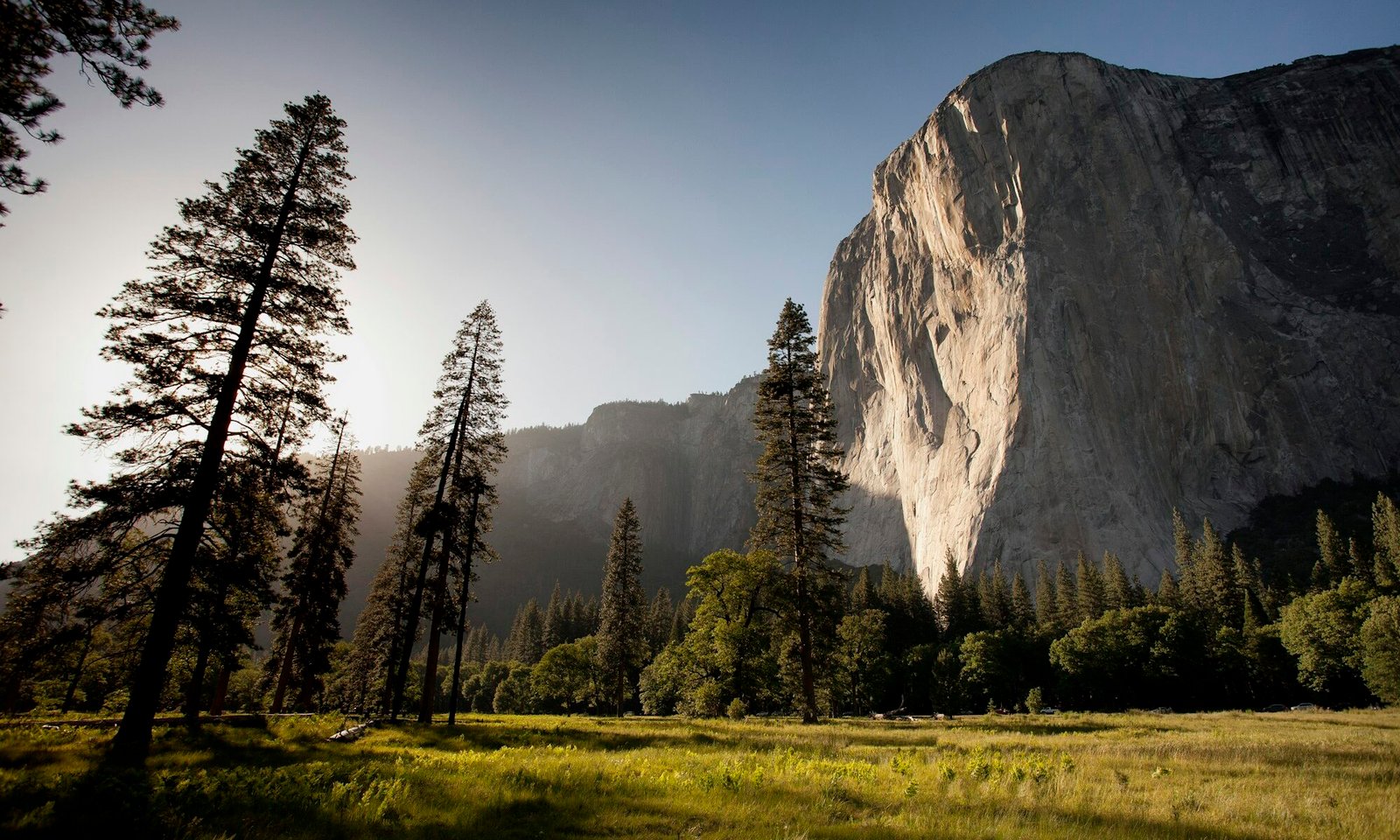
The best time to visit Yosemite is late May through mid-June for roaring waterfalls, or mid-September through mid-October for thinner crowds and settled weather. July and August are the only months when every road, including Tioga Road and Glacier Point Road, is reliably open. They are also the busiest. Winter is quiet and beautiful if you carry tire chains. If this is your first visit, pick June.
The right month for you depends on what you want from the trip: thundering waterfalls, long hikes above 8,000 feet, fewer people, or snow on the granite. This guide walks through the year month by month, explains the road openings and reservation rules that shape every plan, and ends with our honest recommendation for first-time visitors.
- May–JuneBest for waterfalls
- July–SeptBest for high country
- Late Sept–OctBest balance of weather and crowds
- Dec–MarQuietest; snow and chains
The short answer
If you can choose any time, aim for late May through mid-June or mid-September through mid-October. Late spring gives you Yosemite at its loudest, with Yosemite Falls, Vernal Fall and Bridalveil Fall running at full force from snowmelt. Early fall trades the big waterfalls for warm, settled weather, open high-country roads in most years, and noticeably fewer people once school is back in session.
Summer is spectacular too, and it is the only reliable window for the whole park, but it is also when Yosemite Valley feels most like a small city. Winter is wonderful if you come prepared for snow and want solitude more than access.
Understand the three things that shape every Yosemite trip
1. Snowmelt drives the waterfalls
Yosemite’s waterfalls are fed almost entirely by melting snow in the Sierra Nevada. Flow usually builds in April, peaks in May and June, and then fades through July. By late August, Yosemite Falls, one of the tallest waterfalls in North America, is often reduced to a trickle or a dry stain on the rock. A big snow year means a bigger and longer waterfall season, and a dry year shortens it. If waterfalls are the point of your trip, check snowpack news in early spring.
2. Seasonal roads decide what you can reach
Two roads matter most. Tioga Road (Highway 120 East) crosses the high country past Olmsted Point, Tenaya Lake and Tuolumne Meadows to the eastern entrance near Lee Vining. It typically opens sometime between late May and late June, depending on snow, and closes with the first major winter storm, often in November. Glacier Point Road leads to one of the most famous viewpoints in the park, looking straight across at Half Dome. Beyond the Badger Pass ski area, it is closed to cars in winter. Opening dates vary every year, so treat any date you read online as a rough guide and check the National Park Service road status page before you leave.
3. Reservations and permits change year to year
In recent years Yosemite has required a reservation to drive into the park during peak hours on many summer days and on some February weekends, when crowds come to see the “firefall” on Horsetail Fall. The specifics have changed almost every year, so the most important habit for planning a Yosemite trip is simple: check the official NPS Yosemite website and Recreation.gov when you start planning, and again a few weeks before you go. If you have a lodging or campground reservation inside the park, it usually counts as your entry permission during reservation periods.
Separate permits are required for Half Dome’s cables and for overnight backpacking. Half Dome permits are issued mainly through a preseason lottery in early spring, with a smaller daily lottery during the season.
Yosemite month by month
January
January is one of the quietest months of the year. The valley floor often has snow, the granite walls are dusted white, and you can walk the Lower Yosemite Fall loop almost alone. Tioga and most of Glacier Point Road are closed, and tire chains may be required on the roads into the park during storms. California law and park rules can require you to carry chains even if your car has all-wheel drive, so bring a set that fits your tires. Daytime temperatures in the valley are usually cold but manageable, and nights drop below freezing.
February
February is famous for Horsetail Fall. On clear evenings in mid- to late February, if there is enough water and the sky cooperates, the setting sun lights the thin waterfall on the east face of El Capitan so that it glows orange like lava. It is beautiful, and it draws large crowds into a small area. If you go for the firefall, expect restrictions on parking and walking routes near El Capitan, and read the current NPS guidance before you travel. Outside of those evenings, February is still a peaceful winter month.
March
March is a transition month. Snow can still fall, but longer days begin to wake up the waterfalls. It is an underrated time for a short valley trip: lodging is easier to find, the meadows begin to green up, and the falls start to build. Snowshoeing is possible in higher areas such as Badger Pass.
April
April is when Yosemite starts to feel alive. Waterfalls are strengthening, the dogwoods begin to bloom along the Merced River late in the month, and the valley is busy but not packed except around spring break. Weather is changeable. A warm, sunny day can be followed by a cold, rainy one, so pack layers.
May
For many people, May is Yosemite at its most dramatic. Snowmelt is in full swing, and the Mist Trail earns its name. On the climb toward Vernal Fall you will get soaked by spray, so bring a rain jacket and shoes with good grip on wet granite. Memorial Day weekend is one of the busiest weekends of the year, so if you can, visit earlier in the month or midweek. Tioga Road may or may not be open by late May.
June
June combines strong waterfalls with longer days and, in most years, an open Tioga Road by mid- to late month. It is a superb month for a first visit. It is also when summer crowds arrive, so book lodging and campsites as early as you can. Campground reservations on Recreation.gov are released in blocks months ahead and often sell out within minutes.
July
July is peak summer. The valley is hot, often in the 90s °F, and very busy. But this is when the high country shines. Tuolumne Meadows, Tenaya Lake and the trails off Tioga Road sit thousands of feet higher and are much cooler. If you visit in July, plan to spend at least one day up high, start hikes early, and expect afternoon thunderstorms in the mountains.
August
August is similar to July, with most waterfalls much lower. Wildfire smoke can affect air quality in some summers, sometimes heavily. Check air quality forecasts and have a flexible plan. August is a great month for long day hikes and backpacking in the high country, provided you have the right permits.
September
Once Labor Day passes, Yosemite exhales. Weekday crowds drop, temperatures ease, and the high country is usually still accessible. Waterfalls are low, but the light becomes softer and the meadows turn golden. September is one of our favorite months for hiking, especially in the second half of the month.
October
October brings cool mornings, warm afternoons and fall color. The black oaks and bigleaf maples in the valley turn yellow and orange, usually peaking in late October. Tioga Road is often still open through much of the month, but an early storm can close it with little notice. If you love quiet trails and photography, October is hard to beat.
November
November is unpredictable. You might get crisp, clear fall days or the first serious snow. Tioga Road typically closes for the season sometime this month. Thanksgiving week is busy in the valley, but the rest of the month is calm.
December
December brings holiday traditions, snow on the high peaks and the chance of a white valley. The Badger Pass ski area offers gentle downhill skiing, cross-country trails and ranger-led snowshoe walks in snowy years. Carry chains, check road conditions every morning, and build extra time into every drive.
Best time for specific goals
| If you want… | Go in… | Why |
|---|---|---|
| Big waterfalls | Mid-May to mid-June | Peak snowmelt |
| High-country hikes | July to September | Tioga Road open, trails snow-free |
| Fewer crowds | Weekdays from mid-Sept to early Nov, or Jan to Mar | School in session, off-season |
| Fall color | Mid- to late October | Oaks and maples turn in the valley |
| Snow scenes | December to February | Winter storms, quiet trails |
| Half Dome | Late May to early October | Cables are typically up in this window |
Where to stay, by season
Staying inside the park saves hours of driving. In Yosemite Valley, options range from tent cabins at Curry Village to rooms at Yosemite Valley Lodge and the grand historic Ahwahnee hotel. Wawona, near the south entrance, is closer to Mariposa Grove. Campgrounds such as Upper Pines and North Pines are booked through Recreation.gov and are extremely competitive in summer.
If you stay outside the park, choose your gateway town based on season:
- El Portal and Mariposa (Highway 140): the lowest-elevation route and usually the most reliable in winter.
- Oakhurst and Fish Camp (Highway 41): convenient for Wawona and Mariposa Grove.
- Groveland (Highway 120 West): good for the northwest side and Hetch Hetchy.
- Lee Vining (Highway 120 East): only useful when Tioga Road is open, but perfect for the high country and Mono Lake.
Five classic hikes and when to do them
- Lower Yosemite Fall loop (about 1 mile, easy): any season; most impressive in May and June.
- Mist Trail to Vernal Fall (about 3 miles round trip to the top of the fall, strenuous stairs): spring for spray, summer and fall for dry granite. Parts of the trail can close in winter because of ice.
- Mirror Lake (about 2 to 5 miles depending on route, easy): best in spring when the lake actually holds water.
- Sentinel Dome and Taft Point (short hikes off Glacier Point Road): only when the road is open, usually summer and fall.
- Cathedral Lakes (about 7 to 8 miles round trip, moderate): a high-country classic off Tioga Road, from July into early fall.
Rivers in Yosemite look calm in spring and summer but are cold, fast and powerful during snowmelt. Stay out of the water above waterfalls, stay behind railings, and never climb on wet rocks near the edge. Rangers repeat this warning every year for a reason.
Our recommendation for a first visit
For a first trip, we suggest three or four nights in the first half of June or the second half of September. June gives you strong waterfalls with a good chance of an open Tioga Road. September gives you calmer crowds and dependable weather. In both cases, spend most of your time in the valley, give one full day to Glacier Point and Mariposa Grove, and, if Tioga is open, one day to the high country.
Book lodging or a campsite first, since that is the hardest part, then build your days around it. Arrive at popular trailheads early, carry more water than you think you need, and leave room in the schedule for the moment when you simply want to sit in El Capitan Meadow and look up.
Planning a bigger California trip? Pair Yosemite with our Pacific Coast Highway itinerary, and before you buy entrance passes, read our guide to the America the Beautiful pass. It pays for itself faster than most people expect.
Frequently asked questions
What is the worst time to visit Yosemite?
There is no truly bad month. Holiday weekends in summer are the most crowded, and late August can bring low waterfalls, heat and wildfire smoke. If you dislike crowds, avoid July and August weekends.
How many days do you need in Yosemite?
Two full days covers the valley highlights. Three to four days lets you add Glacier Point, Mariposa Grove and the high country without rushing.
Do I need a reservation to enter Yosemite?
Sometimes. Yosemite has used peak-hour reservations in recent years, but the rules change annually. Check the official NPS website before your trip.
When are Yosemite’s waterfalls the biggest?
Usually from mid-May to mid-June, when snowmelt peaks. In a big snow year, strong flow can continue into July.
Eric Gamble
Eric Gamble is the founder of Travon Inc. and editor-in-chief of Travon Blog, based in New Orleans. He plans every guide around the questions travelers actually ask before they book: when to go, what it really costs, how to get around and what is worth skipping. Eric oversees research, fact-checking and the regular updates that keep each guide accurate.


1 comment