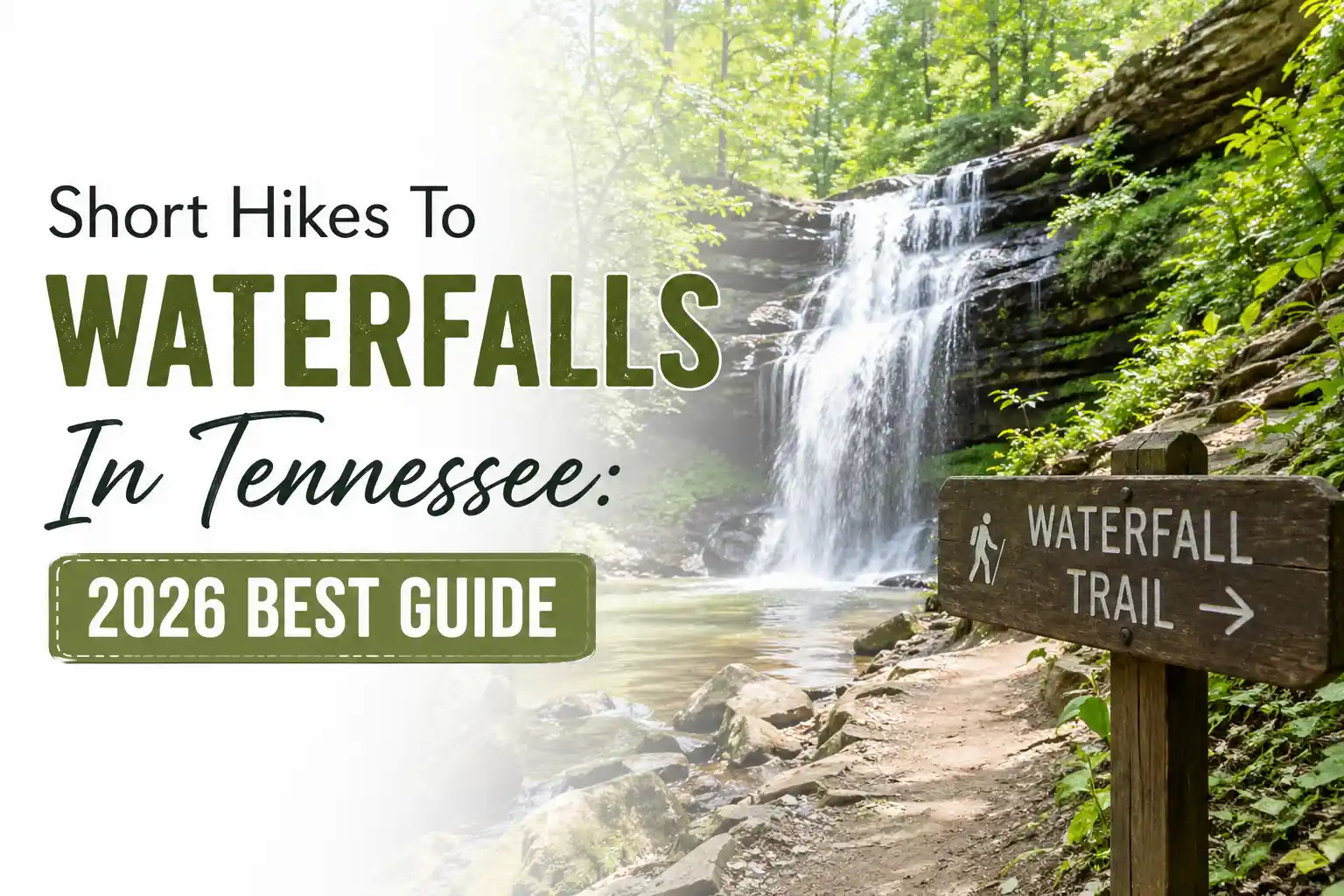
Best Short Hikes To Waterfalls in Tennessee: 2026 Best Guide
Most travelers underestimate one thing: Tennessee’s waterfall trails change with the seasons. A paved path in July can be a muddy scramble in April. What shows up quickly in search results isn’t always what works best on the ground. Let’s fix that.
Reality Check: Tennessee Waterfall Hiking in 2026
First, a quick truth: Tennessee has over 500 waterfalls, but not all are accessible via short hikes. Based on Tennessee State Parks’ 2026 trail reports and visitor data:
- Trail conditions fluctuate: Spring runoff can close creek crossings; summer drought reduces flow; fall foliage draws crowds that impact parking.
- Accessibility is improving, but unevenly: New ADA overlooks exist at Cummins Falls and Fall Creek Falls, but many older trails remain rugged.
- Permit requirements vary: Cummins Falls requires a gorge access permit for base entry; overlook trails remain open without one.
According to the Tennessee Department of Environment & Conservation updates, parking fills early at popular trailheads like Laurel Falls (currently closed for rehabilitation through late 2026) and Burgess Falls. One pattern you’ll notice: the most reliable short hikes tend to be at state parks with dedicated maintenance budgets, not remote natural areas.
Core Guide: Short Waterfall Hikes That Actually Deliver (Under 2 Miles)

Ozone Falls Natural Area (Crossville)
- Round-trip distance: ~0.4 miles.
- Surface: Paved to overlook; rocky scramble to base.
- Why it works: Dramatic 110-foot plunge visible within minutes of parking. Great for photos, quick stops, or introducing kids to waterfall hiking.
- Watch for: Slippery rocks near the basin, sturdy shoes matter more than you’d think.
Twin Falls at Rock Island State Park
- Round-trip distance: ~0.3 miles to the main overlook.
- Surface: Paved path with railings.
- Why it works: One of the most accessible waterfall views in the state. Twin Falls drops ~80 feet into a scenic gorge, viewable from a safe, level platform.
- Bonus: The Downstream Trail adds gentle river views if you want to extend slightly.
Cataract Falls (Great Smoky Mountains NP)
- Round-trip distance: ~0.2 miles.
- Surface: Flat, wide gravel path behind Sugarlands Visitor Center.
- Why it works: Zero elevation gain, fully accessible, and rarely crowded compared to Laurel Falls. Perfect for travelers with mobility considerations.
- Note: Small cascade, not a dramatic plunge—but reliable and stress-free.
Narrows of the Harpeth (Harpeth River State Park)
- Round-trip distance: ~0.5 miles.
- Surface: Paved/gravel mix with historic tunnel.
- Why it works: Unique geology, a waterfall emerging from a hand-carved tunnel. Short, shaded, and rich in Tennessee history.
- Tip: Combine with a kayak float for a fuller experience.
Fall Creek Falls Overlook (Fall Creek Falls State Park)
- Round-trip distance: ~0.4 miles to the overlook.
- Surface: Paved with railings.
- Why it works: See Tennessee’s tallest waterfall east of the Mississippi (256 feet) without descending into the gorge. New accessibility upgrades make this a reliable choice.
- Reality check: The base-of-falls trail is steep and rugged; save that for another day if you want “short and simple.”
Practical Strategies: Making Short Hikes Work in Real Conditions
Check Conditions the Morning Of
Trail status can change overnight. From real booking behavior and park alert patterns, the most reliable sources are:
- Tennessee State Parks official website (trail alerts tab).
- Park-specific social media accounts (often post same-day updates).
- Waterfallsforall for accessibility-focused details in the Upper Cumberland region.
Pack for the “Almost” Moments
Even short hikes benefit from smart prep:
- Footwear: Trail runners or hiking sandals with grip, not flip-flops. Many “easy” trails have wet rocks or loose gravel.
- Water: Bring more than you think. Short doesn’t mean low-effort in Tennessee humidity.
- Phone backup: Download offline maps. Cell service drops unexpectedly in gorges and river valleys.
Time Your Visit Strategically
Using 2026 visitation averages:
- Weekdays before 10 AM: Lowest crowds at popular trailheads.
- Shoulder seasons (April-May, Sept-Oct): Best balance of flow and accessibility.
- Avoid holiday weekends: Parking lots at Burgess Falls and Rock Island fill by 9 AM.
What Most Travel Blogs Get Wrong About Short Waterfall Hikes in Tennessee
You’ll see endless lists ranking waterfalls by height or Instagram appeal. That’s surface-level advice that ignores how Tennessee hiking actually works. The bigger insight? Short doesn’t always mean easy, and easy doesn’t always mean accessible.
Many blogs still recommend Laurel Falls as a top “easy” hike. As of 2026, that trail is closed for 18 months of rehabilitation. Yet it keeps appearing in fresh content because creators recycle outdated lists. The smarter approach: prioritize trails with current status updates from official park sources.
Another common oversimplification: “just wear sneakers.” In practice, what tends to work best is footwear with actual traction. Tennessee’s limestone and sandstone trails get slick with mist, algae, or recent rain, even on paved sections. A common mistake is assuming a short distance guarantees dry feet.
Common Mistakes That Quietly Wreck Short Hikes
Ignoring parking realities: At Burgess Falls, the upper lot is closed for visitor center construction in 2026. Limited lower-lot space fills fast. Arrive early or have a backup plan.
Underestimating creek crossings: Trails like the River Trail at Burgess Falls require multiple unbridged creek crossings. Water levels can rise unexpectedly after upstream rain.
Overlooking permit needs: Cummins Falls’ gorge access requires a timed permit. The overlook trail doesn’t—but many travelers confuse the two and show up unprepared.
Assuming all “paved” trails are equal: Some have steep grades or uneven sections. Check accessibility details if mobility is a concern.
Packing for the photo, not the hike: That cute sundress looks great in pictures but offers zero protection from poison ivy or sun exposure on exposed trail sections.
Scenario-Based Advice: Tailoring Your Hike to Your Group
Families with Young Kids: Focus on Cataract Falls or Twin Falls. Both offer short distances, safe viewing areas, and nearby restrooms. In most cases, keeping the hike under 30 minutes round-trip prevents meltdowns and keeps the experience positive.
Travelers with Mobility Considerations: Prioritize trails with verified accessibility info. Waterfallsforall.com provides detailed breakdowns of surface type, grade, and parking for five Upper Cumberland waterfalls. Cummins Falls’ new ADA overlook and Fall Creek Falls’ paved overlook are reliable starting points.
Photographers Chasing Light: Early morning or late afternoon yields the best waterfall photos with minimal crowds. One pattern you’ll notice: east-facing falls (like Ozone) get direct morning light; west-facing (like Twin Falls) glow in late afternoon.
Solo Travelers or Couples Seeking Quiet: Try Narrows of the Harpeth on a weekday. It’s historically less crowded than Smokies trailheads and offers unique geology without the shoulder-to-shoulder foot traffic.
FAQ: What Tennessee Travelers Actually Ask
Are these hikes truly wheelchair accessible?
Select overlooks are. Cataract Falls (GSMNP), Twin Falls (Rock Island), and the Cummins Falls ADA overlook feature paved, graded paths with accessible parking. Always verify current conditions via Tennessee State Parks before visiting.
Do I need a permit for any of these short hikes?
Only if you plan to access the gorge at Cummins Falls. Overlook trails at all listed locations require no permit. Based on 2026 park policies, permits are free but timed and must be reserved in advance.
What’s the best season for waterfall flow?
Late winter through spring (February-May) typically offers the strongest flow from snowmelt and rainfall. Summer visits can still be rewarding, but check recent precipitation; some falls reduce to a trickle during drought.
Can I bring my dog?
Most Tennessee State Park trails allow leashed pets, but natural areas like Window Cliffs (adjacent to Burgess Falls) restrict pets for safety. Always check the specific park’s pet policy before heading out.
How do I avoid crowds?
Visit on weekdays, arrive before 9 AM, or target lesser-known trailheads like Narrows of the Harpeth. From real visitation patterns, weekend afternoons at Burgess Falls and Rock Island see the highest congestion.
Practical Recommendations
What tends to work best in real Tennessee hiking is planning for flexibility, not perfection. In most cases, I recommend choosing one “anchor” waterfall per day and keeping backup options nearby. Weather, trail conditions, or unexpected closures can shift plans—and having a short-list of alternatives within a 20-minute drive reduces stress.
The most efficient approach for families: pick trails with nearby amenities (restrooms, picnic areas, visitor centers). Short hikes feel longer when kids need a bathroom break, and the nearest facility is 15 minutes away.
A common mistake I’ve seen is chasing the “most dramatic” waterfall without considering logistics. In practice, a slightly smaller falls with reliable access, safe parking, and clear trail markers often delivers a better experience than a showstopper that requires navigating muddy scrambles or permit lotteries.
Leave a Reply