Best Spring Break Destinations in the USA for Families, Couples and Friends
Spring break isn’t only about crowded party beaches. March and April are also cherry blossom season in Washington, wildflower season in the desert, the snowiest weeks in the Rockies and the best weather of the year in Utah’s parks. Sixteen spring break destinations by travel style, with crowd and price tips.

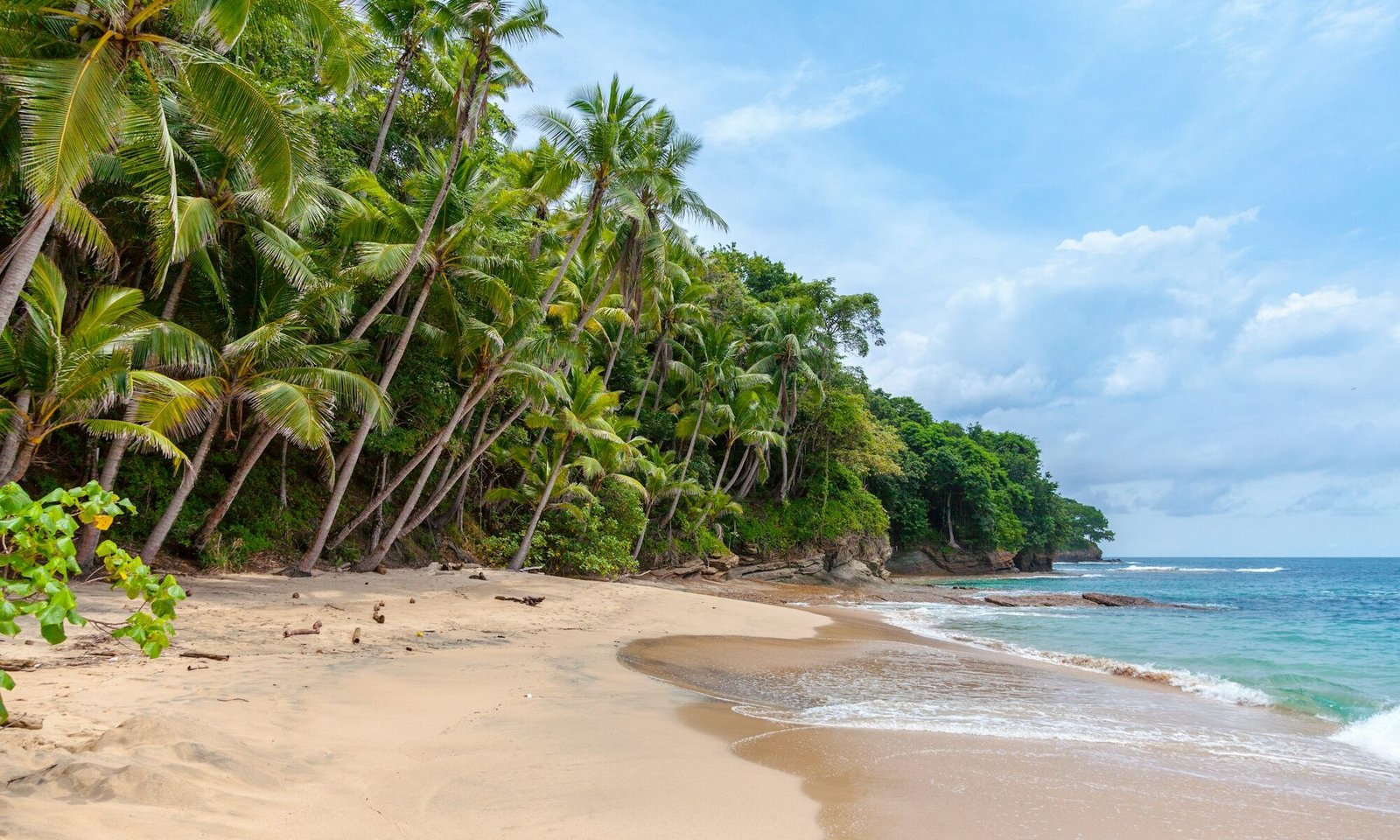
The best spring break destinations in the US depend on what you want. For beaches, go to the Florida Keys, Gulf Shores and 30A, San Diego or Hawaii. For national parks, Utah’s Zion and Arches, Big Bend and Joshua Tree have ideal March and April weather. For cities, Washington’s cherry blossoms, Savannah, Charleston and New Orleans are at their best. For snow, March is one of the best months for skiing in Colorado and Utah. Book flights and lodging two to four months ahead, and avoid the busiest party towns if you’re traveling with kids.
Spring break season in the United States stretches from late February through mid-April, as schools and universities take a week off at different times. That spreads demand across six or seven weeks, but certain weeks, especially the middle two weeks of March, are very busy at popular warm-weather destinations. Families, college students, couples and retirees all compete for the same beaches and hotels, and prices rise accordingly.
The good news is that spring is one of the best times of year to travel in much of the country. The desert Southwest is warm but not yet hot, wildflowers bloom from Texas to California, cities in the South are full of azaleas and festivals, and the mountains still have plenty of snow. This list covers 16 destinations by travel style, with notes on crowds, costs and the best weeks to go.
- Late Feb–mid AprThe US spring break season
- Mid-MarchBusiest weeks for most destinations
- 2–4 monthsHow far ahead to book
- MarchOften the snowiest month in the Colorado Rockies
Spring break destinations at a glance
| Destination | Best for | Typical March weather | Crowds |
|---|---|---|---|
| Florida Keys and Key West | Couples, snorkeling, sunsets | Highs near 80°F | Very high |
| Gulf Shores and 30A | Families, white sand | Highs in the high 60s to low 70s | High |
| San Diego | Families, mild weather, whales | Highs in the mid-60s | Moderate to high |
| Hawaii | Beaches and whales | Highs near 80°F | High |
| Utah’s national parks | Hiking | Highs in the 60s at Zion | High at Zion |
| Washington, DC | Cherry blossoms, free museums | Highs in the high 50s to 60s | Very high at peak bloom |
| Savannah and Charleston | History, food, gardens | Highs in the low 70s | High |
| Colorado and Utah ski resorts | Spring skiing | Sunny, with frequent storms | High |
Beach destinations
1. Florida Keys and Key West. March is in the heart of the Keys’ dry season, with warm sun, calm seas and clear water for snorkeling. It is also one of the most expensive times to visit, so book early. Drive the Overseas Highway from Miami, snorkel at Bahia Honda or John Pennekamp Coral Reef State Park, and take a day trip to Dry Tortugas. See our Key West travel guide and Florida Keys road trip.
2. Gulf Shores, Pensacola and 30A. The white sand beaches of Alabama and the Florida Panhandle are popular with families from the South and Midwest. The water is still cool in March, often in the mid-60s, but the weather is pleasant for walking, biking and lazy beach days, and prices are lower than in summer. Our Gulf Coast road trip covers the whole coast.
3. San Diego. With mild temperatures, beaches, the San Diego Zoo, Balboa Park and gray whale migration along the coast through about April, San Diego is one of the best family spring break destinations. Mornings can be foggy, and the ocean is cold, so it is more of a sightseeing beach trip than a swimming one. See our San Diego travel guide.
4. Hawaii. March is still humpback whale season, and the weather is warm and generally sunny on the dry leeward sides of the islands. Spring break weeks are expensive, so compare dates; the week after many schools return can be much cheaper. Our guide to the best time to visit Hawaii and our Oʻahu itinerary help you plan.
5. Miami and South Beach. Miami offers warm weather, Art Deco architecture, Cuban food and lively nightlife. In recent years, Miami Beach has imposed curfews, alcohol restrictions and security measures during peak spring break weeks to manage large crowds, so families may prefer other parts of the city. See our Miami travel guide.
6. South Padre Island, Texas. A long barrier island at the southern tip of Texas, South Padre is one of the most famous college spring break destinations, with beach parties and concerts. Outside the busiest college weeks, it is a relaxed family beach town with a sea turtle rescue center and good birdwatching.
National parks and the outdoors
7. Utah’s Mighty 5. Spring is one of the best times to visit Zion, Bryce Canyon, Capitol Reef, Arches and Canyonlands, with daytime highs in the 50s to 70s, compared with summer heat over 100°F in some parks. Zion’s Narrows may be closed in spring because of high, cold snowmelt water, and Bryce Canyon can still have snow. Zion is very busy during spring break. See our Utah Mighty 5 road trip and Zion guide.
8. Big Bend National Park, Texas. Spring is peak season at Big Bend, when wildflowers bloom in the desert and temperatures are comfortable before summer heat. Lodging inside the park and campsites fill months ahead. See our Big Bend guide.
9. Joshua Tree and the California deserts. In a good rain year, wildflowers carpet the desert in March and April, especially in Anza-Borrego Desert State Park and parts of Joshua Tree. Pleasant temperatures make it perfect for hiking and rock scrambling. See our Joshua Tree guide.
10. Arizona: Sedona and the Grand Canyon. Spring is ideal for hiking Sedona’s red rocks and visiting the Grand Canyon’s South Rim, though the North Rim stays closed until mid-May. Phoenix and Scottsdale host Major League Baseball’s Cactus League spring training games through March. See our Sedona guide and Arizona road trip.
11. Texas Hill Country. From late March through April, bluebonnets and other wildflowers line the roads around Austin, Fredericksburg and the Hill Country. Combine it with barbecue, swimming holes and wineries. See our Texas Hill Country road trip.
City breaks
12. Washington, DC. The National Cherry Blossom Festival celebrates the roughly 3,000 cherry trees given by Japan in 1912. Peak bloom usually falls in late March or early April, when the Tidal Basin turns pink. Combine the blossoms with free Smithsonian museums and monuments. It is very crowded at peak bloom, so go early in the morning. See our Washington, DC itinerary.
13. Savannah and Charleston. Azaleas bloom in the squares and gardens of these historic Southern cities in March and April. Savannah’s St. Patrick’s Day celebration is one of the largest in the country, and hotels fill up. See our Savannah guide and Charleston guide.
14. New Orleans. Spring is festival and crawfish season, with St. Patrick’s and St. Joseph’s Day parades in March and the free French Quarter Festival in April. See our guide to the best time to visit New Orleans.
Snow and theme parks
15. Spring skiing in Colorado and Utah. March often brings some of the deepest snow of the season in the Rockies, combined with longer, sunnier days. Many resorts host spring festivals and pond-skimming contests, and lift ticket packages are sometimes cheaper late in the season. Popular resorts are busy during spring break weeks. Our winter vacations guide covers ski towns, and our Colorado road trip covers the mountains.
16. Orlando theme parks. Walt Disney World and Universal Orlando are very popular for spring break, with pleasant weather but some of the year’s biggest crowds and highest prices. Plan carefully, arrive at opening and consider visiting during less popular weeks, such as early March or late April.
Where college crowds go
If you want a party atmosphere, the classic college spring break destinations include Panama City Beach, South Padre Island, Miami Beach and Daytona Beach. Many have introduced rules to control crowds, such as alcohol bans on beaches during March, curfews and higher security. If you’re traveling with kids or want quiet, avoid these places during peak college weeks, usually the first three weeks of March, or choose beaches a little farther away.
How to save on spring break
- Travel off-peak: Early March or the week after Easter is often cheaper than mid-March.
- Book early: Flights and hotels for popular destinations rise steadily from January.
- Drive: A road trip to a regional destination can save hundreds on flights for a family. See our family road trip tips.
- Consider rentals: A condo with a kitchen saves on meals. Compare in our Airbnb vs hotel guide.
- Use fare alerts: Our cheap flights guide explains how.
- Choose national parks: An America the Beautiful pass covers entrance fees at all national parks for a year.
Plan around crowds
Every school district sets its own spring break week, so crowds vary. Large university systems in Texas, Florida and the Midwest often break in mid-March. Many public schools in the Northeast take breaks in mid-April, sometimes around Easter. If you have flexibility, look up spring break calendars for big nearby states, and plan around them. National parks like Zion, Arches and Joshua Tree get very busy during these weeks, and some require timed entry reservations; check rules before you go.
What to pack for spring
Spring weather swings widely, even within one trip. A morning at the Grand Canyon’s South Rim can start below freezing and reach the 60s by afternoon, and a Gulf Coast beach day can turn cool and windy when a front passes. Pack layers you can add and remove: a light fleece, a packable rain jacket, a warm hat for mountain and desert mornings, and sun protection for the strong spring sun. In the desert, bring more water than you think you need, since dry air dehydrates you quickly. For beach trips, water shoes and a rash guard help when the water is cooler than expected. If you’re heading to the ski slopes, rent gear at the resort or in town to save space and avoid airline bag fees. Our carry-on packing guide shows how to fit a week of layers into one bag, and our travel planning checklist keeps the rest of your preparation on track.
Finally, check the forecast a few days before you leave, and again the night before. Spring storms can close mountain passes, bring flash floods to desert canyons and cause flight delays, so a flexible plan pays off.
Common mistakes
Booking too late. Prices rise steadily, and popular places sell out.
Assuming beach weather everywhere. The Gulf Coast and Southern California can be cool in March, and water temperatures may be too cold for swimming.
Ending up in a party town with kids. Research the vibe of your destination during your exact week.
Forgetting park reservations. Some national parks and popular trails require advance reservations in spring.
Not checking the snow. Higher-elevation trails and roads, like the Grand Canyon’s North Rim, may still be closed.
Frequently asked questions
Where is the best place to go for spring break in the US?
It depends on your style. The Florida Keys and Hawaii are top beach choices, Utah’s parks are best for hiking, and Washington, DC is ideal for cherry blossoms.
What are the best family spring break destinations?
San Diego, Gulf Shores and 30A, Washington, DC, Utah’s national parks and Orlando are family favorites.
Where is it warm enough to swim in March?
The Florida Keys, South Florida and Hawaii have the warmest water in March.
When is peak spring break season?
The busiest weeks are usually the middle two weeks of March, though breaks run from late February through mid-April.
How far ahead should I book spring break?
Two to four months ahead for flights and lodging; earlier for Hawaii, Key West and national park lodges.
Plan your spring break
- Choose your travel style: beach, parks, city, snow or theme parks.
- Check your exact dates against local and college spring break calendars.
- Book flights, lodging and park reservations early.
- Pack for variable weather; spring can swing from warm to cold quickly.
- Have a backup plan for rain, wind or closures.
Eric Gamble
Eric Gamble is the founder of Travon Inc. and editor-in-chief of Travon Blog, based in New Orleans. He plans every guide around the questions travelers actually ask before they book: when to go, what it really costs, how to get around and what is worth skipping. Eric oversees research, fact-checking and the regular updates that keep each guide accurate.