
Perfect Chicago Weekend Itinerary: What to See, Eat and Do
A river cruise through the birthplace of the skyscraper, a world-class art museum, the lakefront, and a fair hearing for deep dish, Italian beef and tavern-style pizza. Chicago in one perfect weekend.

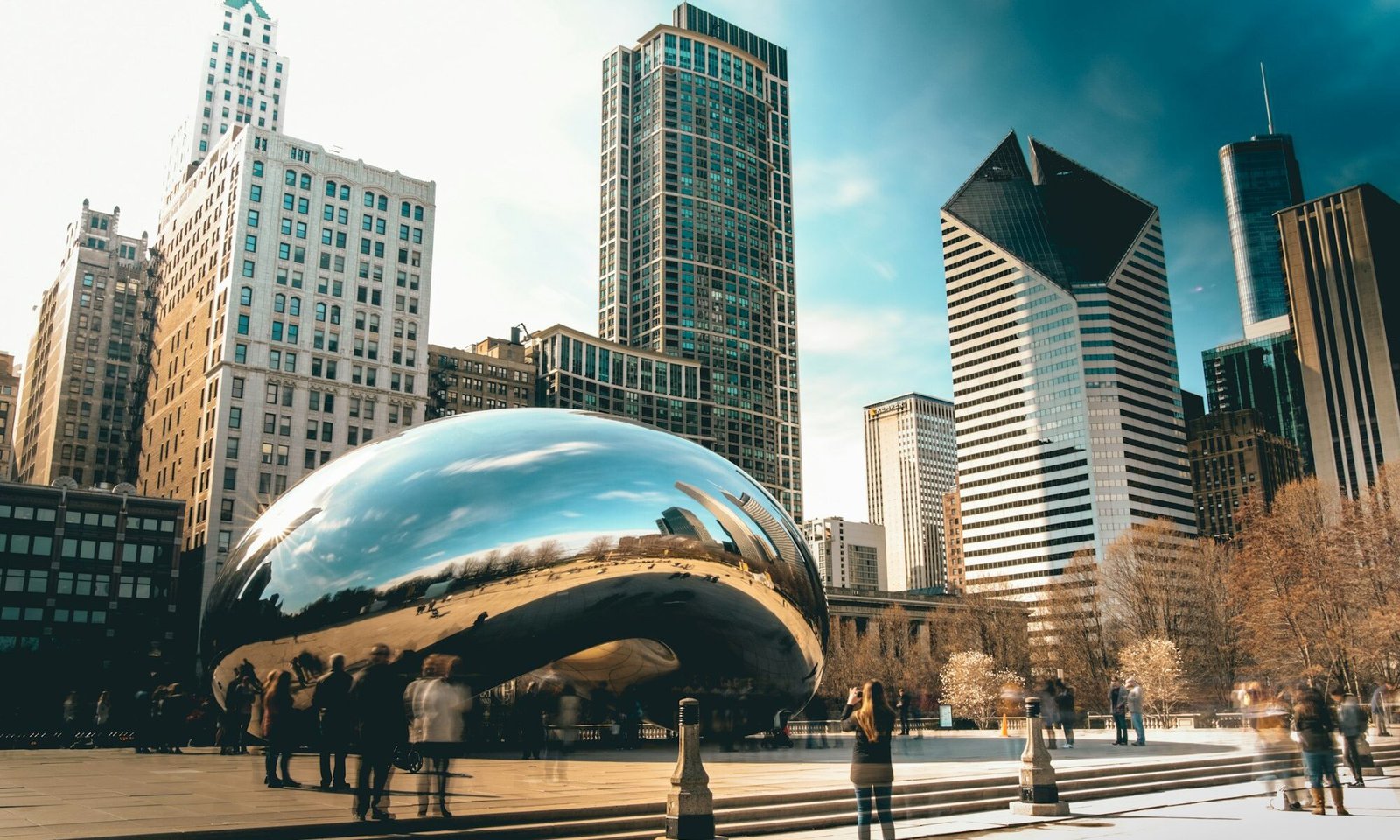
For a weekend in Chicago, spend day one downtown with Millennium Park, the Art Institute and an architecture river cruise, and day two on the lakefront and in a neighborhood such as Wicker Park or Pilsen. Take the Blue or Orange Line in from the airport. Book the river cruise first. It is the single best thing to do in the city. Visit between May and October.
Chicago tends to surprise first-time visitors. They expect a big Midwestern city and find one of the most beautiful skylines in the world, a lakefront lined with beaches and parks, museums that rival anything on the coasts, and a food scene that goes far beyond pizza. It is also an easy city to visit: compact downtown, excellent public transit, and neighborhoods that each feel like a small town.
This itinerary covers a long weekend, two full days plus an optional third, with the essential sights, the best way to see the city’s architecture, where to eat, and practical tips on getting around and when to go.
- River cruiseThe single best introduction
- “L” trainsEasy, cheap transit
- May–OctBest weather
- 18 miLakefront Trail
Before you go
When to visit
Late spring through early fall is Chicago at its best, with warm days, outdoor dining, lakefront beaches and festivals nearly every weekend. Summer is busiest. September is often ideal, warm but calmer. Winter is cold and windy, with temperatures regularly below freezing, but hotel prices drop and the museums, theaters and holiday markets keep the city lively.
Getting there and around
Chicago has two airports. From O’Hare, take the CTA Blue Line straight downtown. From Midway, take the Orange Line. Both are far cheaper than a taxi and often just as fast. In the city, the CTA “L” trains and buses cover most of what you will want to see. Tap a contactless card or phone, or use a Ventra card. Divvy bike share is excellent along the lakefront. You do not need a car, and downtown parking is expensive.
Where to stay
The Loop and River North put you close to the main sights. Streeterville, near the Magnificent Mile, is convenient but pricey. For a more local feel, look at the West Loop, Lincoln Park or Wicker Park, all well connected by the L. See our guide to finding cheaper hotels before you book.
Day 1: Downtown, the river and the lake
Morning: Millennium Park and the Art Institute
Start at Millennium Park. Cloud Gate, the giant mirrored sculpture everyone calls “the Bean,” reflects the skyline and your own warped face. Go early for photos without a crowd. Nearby, the Crown Fountain’s video faces spout water in summer, and the Jay Pritzker Pavilion, designed by Frank Gehry, hosts free summer concerts.
Walk across the Nichols Bridgeway or straight to the Art Institute of Chicago, one of the great art museums of the world. Highlights include Georges Seurat’s A Sunday on La Grande Jatte, Grant Wood’s American Gothic, Edward Hopper’s Nighthawks, a superb Impressionist collection and the Thorne Miniature Rooms. Give it at least two to three hours.
Lunch: A Chicago classic
Try an Italian beef: thin-sliced roast beef soaked in juices on a long roll, topped with sweet peppers or spicy giardiniera. Order it “dipped” if you don’t mind a messy, delicious sandwich. Or have a Chicago-style hot dog: an all-beef frank on a poppy seed bun with mustard, onions, neon-green relish, tomato, pickle spear, sport peppers and celery salt. Ketchup is famously frowned upon.
Afternoon: Architecture river cruise
If you do one thing in Chicago, make it an architecture boat tour on the Chicago River. After the Great Fire of 1871, Chicago rebuilt with ambition and became the birthplace of the skyscraper. A 75- to 90-minute cruise with a knowledgeable guide covers more than a century of buildings, from early steel-frame towers to Art Deco gems and glass giants. Tours led by docents from the Chicago Architecture Center are especially well regarded. Book ahead in summer, and bring a jacket because it gets windy on the water.
Late afternoon: The Riverwalk
After the cruise, stroll the Chicago Riverwalk, a path along the south bank of the main river branch with cafés, wine bars and boat rentals. It is one of the best urban waterfronts in the country.
Evening: Deep dish (or not)
Now the great debate. Deep-dish pizza, with its tall buttery crust, cheese on the bottom and chunky tomato sauce on top, is the dish most visitors want to try, and several famous pizzerias serve it. Plan for a wait, since deep dish takes 30 to 45 minutes to bake. Many locals, though, will tell you that the pizza they actually eat most is tavern-style: a thin, crispy crust cut into squares, called the “party cut.” Try both and settle the argument yourself.
Finish with a view. The observation decks at Willis Tower, home of the glass-floored Ledge, and 360 Chicago in the former Hancock building are both spectacular at sunset. Or have a drink at a high-floor bar, which can cost about the same as an observation ticket.
Day 2: Neighborhoods and the lakefront
Morning: The Lakefront Trail
Rent a Divvy bike or walk part of the Lakefront Trail, which runs for about 18 miles along Lake Michigan. Head north from downtown past Oak Street Beach and North Avenue Beach, where the skyline view across the water is one of the best in the city. In summer, the beaches feel almost like a coastal resort.
Late morning: Lincoln Park
Continue into Lincoln Park, the city’s largest park, home to the free Lincoln Park Zoo, one of the oldest zoos in North America, the Lincoln Park Conservatory and the South Pond nature boardwalk. The surrounding neighborhood has tree-lined streets, cafés and the Chicago History Museum at its southern edge.
Lunch and afternoon: Wicker Park or Pilsen
Take the L to one of Chicago’s most interesting neighborhoods:
- Wicker Park and Bucktown: independent shops, record stores, vintage clothing, coffee and the 606, an elevated trail built on a former rail line.
- Pilsen: the heart of Chicago’s Mexican American community, with vivid murals, bakeries, taquerías and the National Museum of Mexican Art, which offers free admission.
Evening: Music, comedy or a game
Chicago is a comedy town. Improv theaters such as The Second City have launched generations of comedians. It is also a blues and jazz town, with clubs that host live sets most nights. In baseball season, a game at Wrigley Field, home of the Cubs since 1916, is a classic experience, with the ivy-covered outfield walls and a lively neighborhood around the ballpark.
Day 3 (optional): Museums and the South Side
- Museum Campus: the Field Museum, home to SUE, one of the most complete Tyrannosaurus rex skeletons ever found, plus the Shedd Aquarium and the Adler Planetarium, all clustered on the lakefront south of downtown.
- Hyde Park: the Museum of Science and Industry, housed in a building from the 1893 World’s Columbian Exposition, the University of Chicago campus and Frank Lloyd Wright’s Robie House.
- Oak Park: a short train ride west, with the largest concentration of Frank Lloyd Wright buildings in the world, including his home and studio.
A self-guided Loop architecture walk
After the river cruise, see some of the same buildings up close on foot. This loop takes about two hours at a relaxed pace:
- The Rookery on LaSalle Street, completed in 1888, with a light court remodeled by Frank Lloyd Wright. The lobby is often open to visitors.
- Chicago Board of Trade Building at the end of LaSalle, an Art Deco tower topped by a statue of Ceres, the goddess of grain.
- The Monadnock Building on Dearborn, one of the tallest load-bearing masonry buildings ever built, with walls about six feet thick at the base.
- Federal Center by Ludwig Mies van der Rohe, with Alexander Calder’s red Flamingo sculpture in the plaza.
- Chicago Cultural Center on Michigan Avenue, with two spectacular stained-glass domes, including what is often described as the world’s largest Tiffany glass dome. Admission is free.
- The Wrigley Building and Tribune Tower on the river at Michigan Avenue, two of the most famous towers of the 1920s.
Chicago with kids
Chicago is excellent for families. The free Lincoln Park Zoo, the beaches, Navy Pier’s Ferris wheel, the Shedd Aquarium, the Field Museum’s dinosaurs and the hands-on exhibits at the Museum of Science and Industry can fill several days. Maggie Daley Park, next to Millennium Park, has a creative playground, climbing walls and a skating ribbon in winter.
Chicago in winter
Don’t rule out a winter visit. Hotels are cheaper, museums are uncrowded and the city has real holiday charm: the Christkindlmarket in Daley Plaza, ice skating in Millennium Park and Maggie Daley Park, and the lights along the Magnificent Mile. Bring a serious coat, hat and gloves, plan indoor activities for the coldest afternoons, and use the Pedway, a network of underground and covered walkways that connects many downtown buildings.
Neighborhoods at a glance
- The Loop: Architecture, theaters, the Art Institute.
- River North: Restaurants, galleries, nightlife.
- West Loop: Restaurant Row on Randolph Street, food halls.
- Lincoln Park: Zoo, park, lakefront.
- Wicker Park / Bucktown: Shops, music, the 606 trail.
- Pilsen: Murals, Mexican food, art.
- Hyde Park: Museums, university, Robie House.
- Andersonville: Swedish heritage, independent shops.
What to eat in Chicago
- Deep-dish pizza: Tall, buttery crust; cheese under the sauce.
- Tavern-style pizza: Thin, crisp crust cut into squares.
- Italian beef: Thin roast beef in jus on a roll, with peppers or giardiniera.
- Chicago-style hot dog: “Dragged through the garden” with seven toppings, no ketchup.
- Jibarito: Puerto Rican–Chicagoan sandwich with fried plantains instead of bread.
- Maxwell Street Polish: Grilled Polish sausage with onions and mustard.
- Garrett-style popcorn: Caramel and cheese popcorn mixed together, the “Chicago mix”.
Free things to do in Chicago
Chicago is generous with free attractions. Many of the best experiences in the city cost nothing:
- Cloud Gate, the Crown Fountain and summer concerts at the Jay Pritzker Pavilion in Millennium Park.
- The Lincoln Park Zoo and Lincoln Park Conservatory.
- The Chicago Cultural Center and its Tiffany dome.
- The National Museum of Mexican Art in Pilsen.
- The Lakefront Trail and city beaches.
- The Riverwalk and Navy Pier’s promenade.
- Buckingham Fountain, with its water shows in season.
- Free admission days at several major museums for Illinois residents, if you are local.
- Window-shopping on the Magnificent Mile, especially when the holiday lights are up.
Is Chicago safe for visitors?
The parts of Chicago that most visitors spend time in, including the Loop, River North, Streeterville, the lakefront, Lincoln Park, the West Loop and Wicker Park, are busy and generally comfortable. Like any big city, use common sense: keep phones secure on crowded trains, stay aware late at night, choose well-lit routes, and use rideshares if you are unsure about an area after dark. Ask your hotel staff for current advice about neighborhoods you plan to visit.
A weekend budget
| Per person (2 nights, shared room) | Budget | Mid-range |
|---|---|---|
| Hotel | $120–$200 | $220–$400 |
| Food and drinks | $80–$130 | $150–$260 |
| River cruise, museum, observation deck | $60–$90 | $90–$150 |
| Transit and bikes | $15–$30 | $25–$50 |
| Total | $275–$450 | $485–$860 |
Tips for a smooth weekend
- Pack layers. Lake breezes can make it 10 degrees cooler near the water, and the wind is real.
- Book the architecture cruise and any Wrigley tickets in advance in summer.
- Use the L from the airports instead of taxis.
- Check the free events calendar. Summer brings free concerts, festivals and outdoor movies.
- Combine Chicago with a Route 66 road trip, which starts right downtown. See our Route 66 planner.
Frequently asked questions
Is a weekend enough time in Chicago?
Two days covers the highlights: Millennium Park, the Art Institute, the river cruise and a neighborhood or two. Three or four days lets you add Museum Campus, Hyde Park and more neighborhoods.
What is the best way to see Chicago’s architecture?
A guided architecture boat tour on the Chicago River, followed by a walk through the Loop.
When is the best time to visit Chicago?
May through October, with June and September often the most pleasant. Winter is cold but cheaper.
Is deep-dish pizza worth trying in Chicago?
Yes, at least once. Plan for a 30- to 45-minute bake time and share one, since a single slice is filling. Then try tavern-style thin crust, the pizza many locals eat most often.
Do you need a car in Chicago?
No. The CTA trains and buses, walking, bike share and occasional rideshares cover everything a visitor needs.
Eric Gamble
Eric Gamble is the founder of Travon Inc. and editor-in-chief of Travon Blog, based in New Orleans. He plans every guide around the questions travelers actually ask before they book: when to go, what it really costs, how to get around and what is worth skipping. Eric oversees research, fact-checking and the regular updates that keep each guide accurate.


1 comment