Florida Keys Road Trip: Overseas Highway Itinerary, Miami to Key West
113 miles, 42 bridges and water in colors you won’t believe. Our three-day Overseas Highway plan from Key Largo to Key West, with the stops that are worth it and the ones you can skip.

Drive the Florida Keys in three days, Miami to Key West, on the Overseas Highway (US-1). Night one in Islamorada after snorkeling at John Pennekamp in Key Largo. Day two through Marathon, across the Seven Mile Bridge and to Bahia Honda State Park, then on to Key West. Spend day three in Key West, with sunset at Mallory Square. Go between December and April. Without stops, the drive from Miami takes about three and a half to four hours. With stops, it takes as long as you let it.
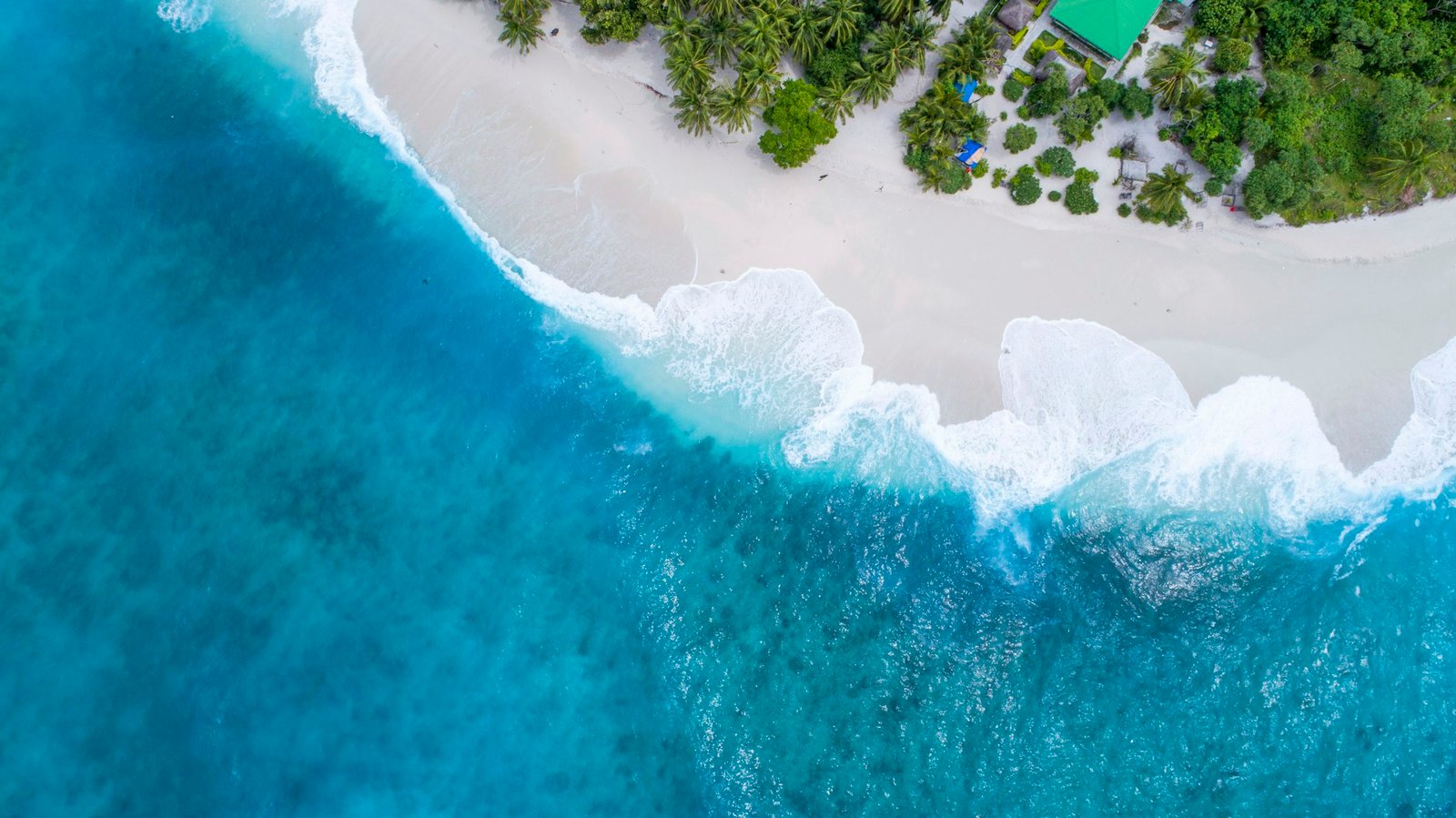
The Overseas Highway runs about 113 miles from Key Largo to Key West, hopping across 42 bridges and dozens of islands. Florida Bay is on one side, the Atlantic on the other. For long stretches, there is nothing but water in every direction, colored a shade of turquoise that looks fake in photos and somehow better in person. Locations along the road are measured by green mile marker signs, counting down from about MM 106 in Key Largo to MM 0 in Key West. You will see addresses written as “MM 82.” That is the system everyone uses.
- 113 miKey Largo to Key West
- 42Bridges along the way
- 3 daysThe right pace
- Dec–AprBest weather, lowest storm risk
The biggest mistake: driving straight to Key West
Most first-timers treat the Keys as a long driveway to Key West. They blast down US-1 in four hours, spend three nights on Duval Street and drive back. They miss the best parts. Key West is fun, but the reefs, the beaches, the sea turtles, the old bridges and the quiet fishing towns sit in the middle and upper Keys. Spend at least one night on the way down.
The second mistake is expecting wide sandy beaches everywhere. The Keys are built on ancient coral reef, and most of the shoreline is rocky, mangrove-lined or shallow sea grass flats. There are a few great beaches, mostly in state parks, and we will point you to them. But the real magic here is in the water, not on the sand.
Upper Keys: Key Largo and Islamorada
John Pennekamp Coral Reef State Park (MM 102.5) was the first undersea park in the United States, established in 1963. It protects part of the only living coral barrier reef in the continental US. Take a glass-bottom boat tour, or better, a snorkel trip out to the reef, where you will see parrotfish, angelfish, and if you are lucky, sea turtles. Dive boats go to the Christ of the Abyss, a bronze statue sitting in about 25 feet of water. Book boat trips ahead in winter.
Islamorada, the self-proclaimed Sportfishing Capital of the World, stretches across several islands from about MM 90 to MM 72. Stop at Robbie’s Marina (MM 77.5), where you can buy a bucket of fish and feed the huge tarpon that crowd the dock. They jump. Hold on to your fingers. It is touristy, silly and a lot of fun. Islamorada also has some of the best seafood restaurants in the Keys. Order whatever was caught that day.
The Florida Keys History of Diving Museum at MM 83 is a quirky surprise, with old diving helmets and suits from around the world.
Middle Keys: Marathon and the Seven Mile Bridge
Marathon, around MM 50, is the middle of the Keys and a practical base, with more affordable hotels and a working-town feel. Visit The Turtle Hospital, which rescues and rehabilitates injured sea turtles. Guided tours run throughout the day and they are worth booking ahead. You will meet the patients and learn why turtles get hurt, from boat strikes to fishing line. Kids love it. Adults do too.
Just past Marathon, the Seven Mile Bridge crosses open water for about 6.8 miles. It is the most famous stretch of the drive. Beside it runs the old Seven Mile Bridge, built for Henry Flagler’s Overseas Railroad in the early 1900s. After a long restoration, a 2.2-mile section reopened to walkers and cyclists in 2022, leading to Pigeon Key, a tiny island that once housed railroad workers. Walk or bike out at sunset. The views are wide open.
Lower Keys: Bahia Honda and Big Pine Key
Bahia Honda State Park (MM 37) has the best beaches in the Keys. Calusa Beach and Sandspur Beach have soft sand and clear, calm water, great for swimming and snorkeling. Climb up to the section of the old railroad bridge for the classic view. If you only stop at one beach, make it this one.
Big Pine Key (around MM 30) is home to the Key deer, a tiny endangered subspecies of white-tailed deer that stands only about two to three feet tall. Drive slowly. The speed limit drops here for a reason; cars are a leading cause of deer deaths. The National Key Deer Refuge has short trails, and the Blue Hole, a former quarry, sometimes has alligators.
Looe Key, offshore near Big Pine, is one of the best snorkeling reefs in the Keys. Boat trips leave from Big Pine and Ramrod Key.
Key West: the end of the road
Key West is the southernmost city in the continental US, closer to Havana than to Miami. It is part party town, part historic village, with tin-roofed conch houses, roosters wandering the streets and a laid-back attitude that locals call the Conch Republic.
| Stop | Time needed | Cost | Our take |
|---|---|---|---|
| Mallory Square sunset | 1–2 hours | Free | Touristy and a must |
| Ernest Hemingway Home | 1 hour | Paid entry | Great guides, six-toed cats |
| Southernmost Point buoy | 15 minutes, plus the line | Free | Go early or skip it |
| Fort Zachary Taylor | Half day | State park fee | Best beach in Key West |
| Dry Tortugas National Park | Full day | Ferry or seaplane | The best day trip in the Keys |
The sunset celebration at Mallory Square happens every evening. Street performers, food carts and a crowd cheering as the sun drops into the Gulf. Is it corny? Yes. Go anyway.
Duval Street is the main drag of bars and shops. It is loud, especially at night. Walk a few blocks away into Old Town and you find quiet streets of gingerbread houses, bougainvillea and cats. Rent a bike. Key West is flat and small, and biking is the best way to explore.
Eat key lime pie. Everyone claims the best one. Try two and decide.
Dry Tortugas: worth the splurge
About 70 miles west of Key West, Dry Tortugas National Park protects seven small islands and Fort Jefferson, a massive brick fort built in the 1800s. Reaching it requires the Yankee Freedom ferry, about two and a quarter hours each way, or a seaplane. Ferry seats sell out weeks ahead in winter. Once there, you tour the fort, snorkel around its moat wall and swim on beaches that look like the Caribbean. It is expensive. It is also one of the most memorable days you can have in Florida.
A three-day plan
Day one: Miami to Islamorada. Leave early to beat traffic out of Miami. Snorkel at John Pennekamp in the morning. Lunch in Key Largo. Feed the tarpon at Robbie’s. Dinner and sunset in Islamorada.
Day two: Islamorada to Key West. The Turtle Hospital in Marathon. Walk the old Seven Mile Bridge. Swim at Bahia Honda. Look for Key deer on Big Pine. Arrive in Key West for sunset at Mallory Square.
Day three: Key West. Bike around Old Town, visit the Hemingway Home, swim at Fort Zachary Taylor and finish with a sunset sail. Or spend the whole day at Dry Tortugas.
With more time, add a night in Marathon or the Lower Keys, where things are quieter and cheaper.
When to go
December through April is peak season, with warm, dry weather, highs in the 70s and low 80s, and calm seas. It is also the most expensive. May and early June are hotter and quieter. Hurricane season runs June 1 to November 30, peaking from August to October. Storms are not constant, but when one threatens, the Keys can be evacuated, and the Overseas Highway is the only way out. If you travel in fall, buy refundable bookings and watch the forecast. Our hurricane season travel guide explains how to plan around it.
Where to stay
Key West hotels are among the most expensive in Florida, often $300 to $600 or more a night in winter. Consider staying in the Lower Keys or Marathon and driving in. Islamorada has resorts and small motels along the water. Camping at Bahia Honda, Long Key or John Pennekamp state parks is a great value, but sites book up as soon as they open. For upscale stays, the Keys have dozens of waterfront resorts.
What it costs
Driving is cheap here. Gas for the round trip from Miami usually costs less than one Key West hotel night. State parks charge entry per vehicle, plus a small per-person fee. Snorkel trips typically cost about $40 to $70 per person. The Dry Tortugas ferry costs a few hundred dollars per adult, including park entry, breakfast and lunch. Food can be pricey, but casual fish shacks are reasonable.
Tips for the drive
- Leave Miami early on weekdays to avoid traffic on US-1 and the Turnpike.
- Use mile markers. They are how everyone gives directions.
- Drive slowly in Big Pine Key. Key deer cross the road often.
- Use reef-safe sunscreen and never touch or stand on coral.
- Bring snorkel gear if you have it; rentals add up.
- Book Dry Tortugas, snorkel boats and lodging early in winter.
A short history of the road
The Overseas Highway exists because of a railroad, and a storm. In the early 1900s, oil and railroad tycoon Henry Flagler extended his Florida East Coast Railway across the Keys to Key West, a feat people called “Flagler’s Folly.” It opened in 1912 and ran trains across open water for more than two decades.
Then came the Labor Day Hurricane of 1935, one of the most intense storms ever to hit the United States. It killed hundreds of people, many of them World War I veterans working on road projects, and destroyed long stretches of the railway. The railroad never reopened. Instead, the state built a highway on top of the surviving bridges, and the Overseas Highway opened in 1938. Many of the old railroad bridges still stand beside the modern road. Now they are fishing piers, walking paths and pelican perches. When you drive past them, you are looking at the bones of the original route.
The Keys with kids
The Keys work well for families, especially in the middle and upper islands. The Turtle Hospital, tarpon feeding at Robbie’s and the calm beach at Bahia Honda are easy wins. Glass-bottom boat tours at Pennekamp suit young kids who aren’t ready to snorkel. Key West has a butterfly conservatory and an aquarium, and kids love chasing the free-roaming chickens. Skip Duval Street at night, which gets rowdy, and plan pool time at your hotel. The heat and sun wear small travelers out fast.
Eating your way down the Keys
Seafood rules. Look for stone crab claws from mid-October to May, served cold with mustard sauce. Try conch fritters, a Keys staple. Order fresh mahi-mahi, grouper or hogfish, a reef fish locals love, fried, grilled or blackened. Finish with key lime pie, made with small, tart key limes, condensed milk and a graham cracker crust. Ask whether the topping is meringue or whipped cream. Locals have opinions.
Frequently asked questions
How long does it take to drive from Miami to Key West?
About three and a half to four hours without stops, depending on traffic.
How many days do you need for a Florida Keys road trip?
Three days is the minimum to enjoy the drive and Key West. Four or five lets you slow down.
Where are the best beaches in the Florida Keys?
Bahia Honda State Park and Fort Zachary Taylor in Key West.
When is the best time to drive the Florida Keys?
December through April, for the best weather and lowest hurricane risk.
What to book first
- Your Key West hotel or a cheaper base in the Lower Keys.
- A night in Islamorada or Marathon on the way down.
- A snorkel trip to the reef at Pennekamp or Looe Key.
- Dry Tortugas ferry seats, which sell out first.
Eric Gamble
Eric Gamble is the founder of Travon Inc. and editor-in-chief of Travon Blog, based in New Orleans. He plans every guide around the questions travelers actually ask before they book: when to go, what it really costs, how to get around and what is worth skipping. Eric oversees research, fact-checking and the regular updates that keep each guide accurate.