
Hostels in the USA: Prices, Rules and Whether They’re Worth It
American hostels are fewer and pricier than in Europe, and they come with a rule that surprises locals. What a dorm bed costs, who hostels suit, how to pick a safe one and the cities where they make the most sense.

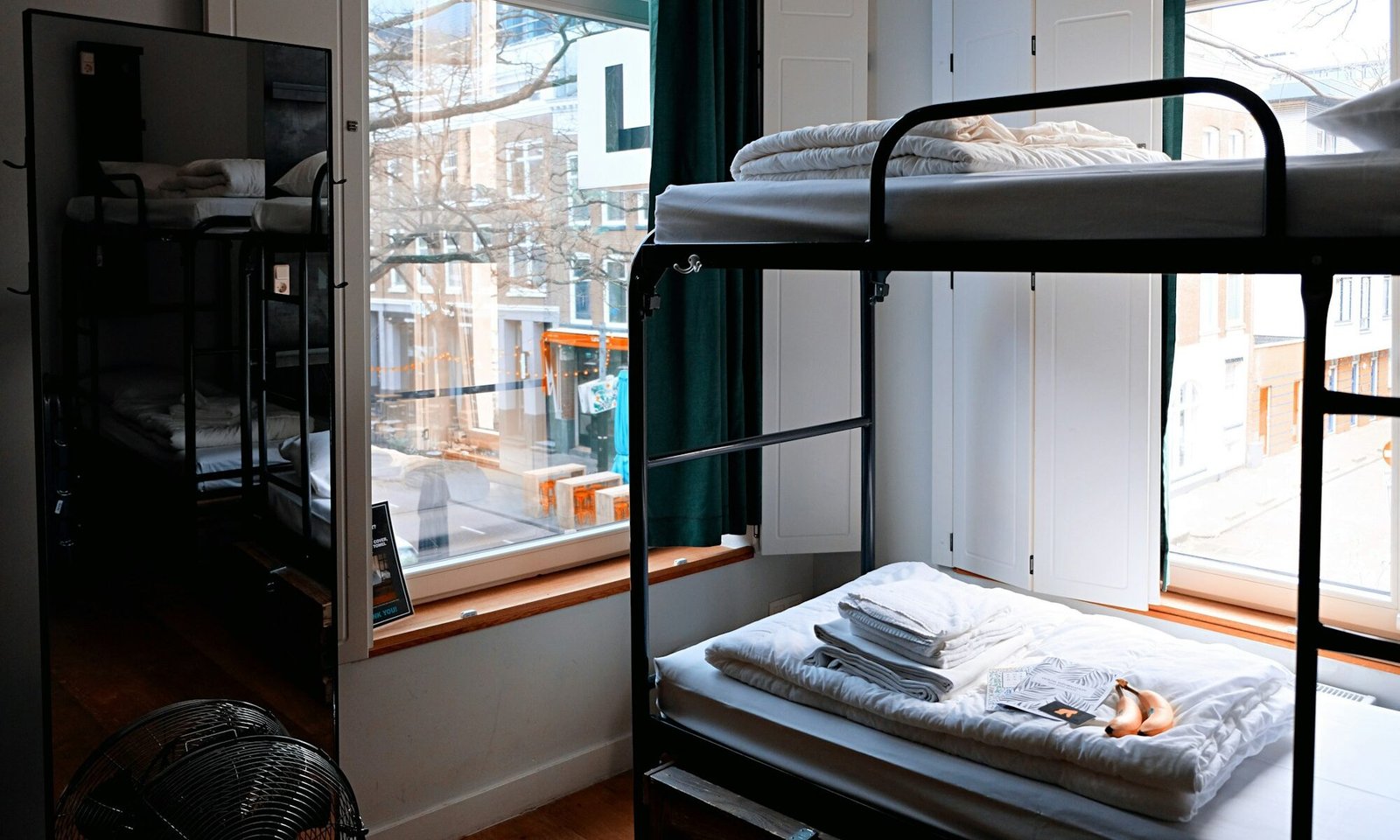
Hostels in the USA usually cost about $35 to $70 a night for a dorm bed in big cities and $90 to $180 for a private room, much less than a central hotel. They make the most sense for solo travelers and pairs on a budget in expensive cities like New York, San Francisco, Boston and Washington, DC. Be aware of one common rule: many US hostels require guests to show a passport or an out-of-area ID, which can exclude local residents. Bring a padlock and earplugs, and read recent reviews.
If you have backpacked in Europe, Asia or South America, American hostels will feel familiar and a little different. There are far fewer of them. Big cities have a handful each; many mid-size cities have none. They are more expensive than in much of the world, because US real estate is expensive. And the culture is a mix of international backpackers, young American travelers, digital nomads and older budget travelers. When you find a good one, they’re a great way to travel cheaply and meet people. The best American hostels are clean, safe, well designed and full of interesting people, with staff who know the city better than most concierges. The worst are cramped and noisy. Reviews tell you which is which. Here is what to know before you book.
- $35–$70Typical dorm bed in a big US city
- $90–$180Typical private room in a hostel
- ID rulesMany hostels limit stays for locals
- PadlockThe one thing you must bring
Who hostels are for
Hostels are for anyone who wants an affordable bed and doesn’t mind sharing space. They are especially good for solo travelers who want company, students and young travelers, people on long trips who need to stretch a budget and anyone visiting an expensive city for a few days. There’s no upper age limit at most hostels, though a few cater mostly to younger guests and some set a minimum age of 18. Many guests are in their 20s and 30s; plenty are older.
Hostels are less ideal for light sleepers, families with young kids, couples who want privacy, and anyone who needs a quiet place to work all day. That said, many hostels now offer private rooms with their own bathrooms, which can be a great value for couples and small groups.
Dorms vs private rooms
| Room type | Typical big-city price | Pros | Cons |
|---|---|---|---|
| Large dorm, 8–12 beds | $35–$55 | Cheapest, social | Noisy, less privacy |
| Small dorm, 4–6 beds | $45–$70 | Quieter, still cheap | Books up fast |
| Female-only dorm | $45–$70 | Comfort and safety for many women | Fewer available |
| Private room, shared bath | $90–$140 | Privacy at a low price | Walk to the bathroom |
| Private room, en suite | $120–$180+ | Hotel-like comfort | Can match budget hotel prices |
Prices are rough ranges for major cities in peak season. Smaller cities and off-season dates are cheaper. Hostels in New York and San Francisco tend to be the most expensive.
The ID rule that surprises people
Many US hostels have a policy that guests must show a passport, or a government ID from outside the local area, sometimes from a different state or at least a set distance away. Some also require proof of onward travel. These rules exist because of local laws or to keep hostels from being used as long-term housing, and to keep the space for travelers. If you are an American visiting a city near your home, check the hostel’s policy before booking. You may be turned away at check-in.
Many hostels also limit maximum stays, often to two weeks or a month. Others require a credit card on file for incidentals. Read the house rules carefully. Some hostels also set quiet hours, ban alcohol in dorms or lock the kitchen overnight. None of these are unusual, but it is better to know before you arrive with groceries and a bottle of wine at 11 p.m.
What you get
A bed, usually a bunk, with clean sheets. Most US hostels provide bedding; some charge for towels. Expect a shared bathroom, a locker for each guest, a shared kitchen where you can cook your own meals, common areas and free Wi-Fi. Many offer free or cheap breakfast, laundry machines, luggage storage, and social activities like walking tours, pub crawls, movie nights and family-style dinners. Some have bars or cafés on site.
The kitchen is a big money saver. Shop at a grocery store, cook simple meals and label your food in the shared fridge. Our guide on how to eat cheap while traveling has more tips.
How to choose a good hostel
- Read recent reviews, especially for cleanliness, safety, noise and staff.
- Check the location on a map: near transit and in a neighborhood you feel comfortable walking at night.
- Look at the vibe. Some hostels are known for parties, others for quiet. Choose what you want.
- Check for 24-hour reception and key-card access.
- Confirm lockers are big enough for your bag, and whether you need your own padlock.
- Look for small dorms or female-only dorms if you prefer.
- Confirm the ID policy if you are a US resident.
Hostelling International USA, a nonprofit, runs a network of hostels in major cities and near some national parks, with consistent standards. Private hostel brands and independent hostels fill out the market. Book directly with the hostel when possible; some offer better rates or flexible cancellation.
Booking tips
Hostels in popular cities fill up on summer weekends, holidays and during big events, so book a few weeks ahead, earlier for small dorms and private rooms. Prices rise on Friday and Saturday nights; arriving on a Sunday can save money. Look carefully at cancellation policies. Some cheap rates are non-refundable, while booking directly may offer free cancellation up to a day or two before. Many hostels charge a deposit when you book and the balance on arrival. Check whether city taxes are included in the price shown, and whether the hostel charges for bedding, towels or lockers.
If you are traveling with friends, booking a whole small dorm can be cheaper than a hotel room for four, with the bonus of a kitchen and common areas.
Working remotely from a hostel
More hostels now cater to remote workers, with coworking areas, fast Wi-Fi and quiet zones. If you plan to work, check reviews specifically for Wi-Fi speed and the availability of desks and outlets. Bring noise-canceling headphones. Be considerate about calls in shared spaces. A private room is worth the extra cost if you have regular video meetings.
Hostel etiquette
Hostel life works when everyone is considerate. Pack your bag the night before an early departure so you don’t rustle plastic bags at 5 a.m. Use a headlamp or phone light instead of the overhead light after others are asleep. Keep your stuff on and under your bed, not across the floor. Take short showers when others are waiting. Clean up after yourself in the kitchen, right away. Say hello. Many lifelong friendships start in a hostel kitchen. And if you borrow a pan, wash it and put it back where you found it. Your future roommates will thank you.
Safety tips
Hostels in the US are generally safe, with key-card entry and staff on duty. Still, protect your things and yourself:
- Lock valuables in your locker, especially your passport, laptop and extra cash.
- Sleep with your phone and wallet in a small bag inside your sleeping area.
- Choose a bottom bunk near the wall if you want more privacy and easier access.
- Use a female-only dorm if you prefer.
- Trust your instincts. If something feels wrong, talk to the front desk; they can usually move you.
- Bring flip-flops for shared showers.
Our solo travel guide has more safety advice.
Best US cities for hostels
Hostels make the most sense where hotels are expensive and transit is good:
- New York City: several hostels in Manhattan and Brooklyn. Hotel prices make them very attractive. See our NYC on a budget guide.
- San Francisco: hostels near Union Square, Fisherman’s Wharf and the Marina area.
- Boston: a large, modern hostel in the city center.
- Washington, DC: hostels near downtown, ideal for free museums. See our DC itinerary.
- Chicago: several well-reviewed hostels downtown and in Wicker Park.
- Los Angeles and San Diego: beach-area hostels in Venice, Santa Monica and San Diego’s Gaslamp and Ocean Beach.
- New Orleans: hostels in Mid-City and the Garden District area, often in old houses with porches. See our where to stay in New Orleans guide.
- Seattle, Portland, Austin, Miami and Honolulu: each has a few options.
Some national park gateway towns also have hostels, like Flagstaff for the Grand Canyon, Moab for Arches and the Bay Area for Point Reyes. They are great for road trippers on a budget.
When a budget hotel is better
Hostels aren’t always the cheapest option. Two people sharing a hostel private room may pay the same as a budget motel, especially outside big cities, where chain hotels with free parking and breakfast can cost under $100 a night. On road trips, motels are often better value and more convenient. In a big city, though, a hostel can save hundreds over a few nights. Compare both. Our guide on how to find cheap hotels helps.
Other budget beds worth knowing
If you can’t find a hostel, consider these. Campgrounds near national parks cost $20 to $40 a night if you have gear; see our camping for beginners guide. Budget chain motels along highways are often the cheapest private rooms outside cities. University housing in some college towns rents dorm rooms to travelers in summer. Room rentals in someone’s home on rental platforms can be cheaper than a whole apartment. And in some cities, YMCA-run residences still offer simple rooms, though far fewer than in the past.
What to pack for a hostel
- A sturdy padlock for your locker
- Earplugs and an eye mask
- Flip-flops for the shower
- A quick-dry towel, if not provided
- A small headlamp
- A long phone charging cable; outlets aren’t always near the bed
- Your passport or an out-of-area ID
A typical hostel day
Here is how a good hostel stay often goes. You check in in the afternoon, get a key card, a locker and sheets, and a quick tour of the kitchen and common room. You claim a bottom bunk, lock your bag and head out to explore. In the evening, you cook pasta in the shared kitchen and get talking with a traveler from Germany and two friends from Texas who are going to the same museum tomorrow. Someone mentions the hostel’s free walking tour in the morning. You go to bed early, earplugs in, and wake to free coffee and a group heading out together. That easy social life is what hostels do better than any hotel, and why many travelers keep choosing them long after they can afford something else.
Of course, not every night goes that way. Sometimes a roommate snores, or comes back at 3 a.m., or the shower is cold. Most hostel veterans laugh about those nights later. If you want certainty, book a private room. If you want stories, book a dorm. Either way, you will spend far less than a hotel and probably meet more people.
Frequently asked questions
How much is a hostel in the USA?
Typically about $35 to $70 a night for a dorm bed in big cities, and $90 to $180 for a private room.
Can Americans stay in US hostels?
Usually yes, but many hostels require an ID from outside the local area or a passport. Check before booking.
Is there an age limit for hostels in the US?
Most have no upper age limit. Some require guests to be at least 18.
Are hostels safe in the US?
Generally yes. Choose well-reviewed hostels, use lockers and keep valuables close.
Book your first hostel
- Check the ID and age policy before booking.
- Choose a small or female-only dorm if you value quiet.
- Read the five most recent reviews.
- Pack a padlock, earplugs and flip-flops.
Eric Gamble
Eric Gamble is the founder of Travon Inc. and editor-in-chief of Travon Blog, based in New Orleans. He plans every guide around the questions travelers actually ask before they book: when to go, what it really costs, how to get around and what is worth skipping. Eric oversees research, fact-checking and the regular updates that keep each guide accurate.