White Sands National Park Guide: Dune Sledding, Sunsets and Hiking
The world’s largest gypsum dunefield looks like snow and feels cool underfoot. How to spend a day at White Sands, when to sled, which trails to walk, how missile tests can close the road and why sunset is the main event.

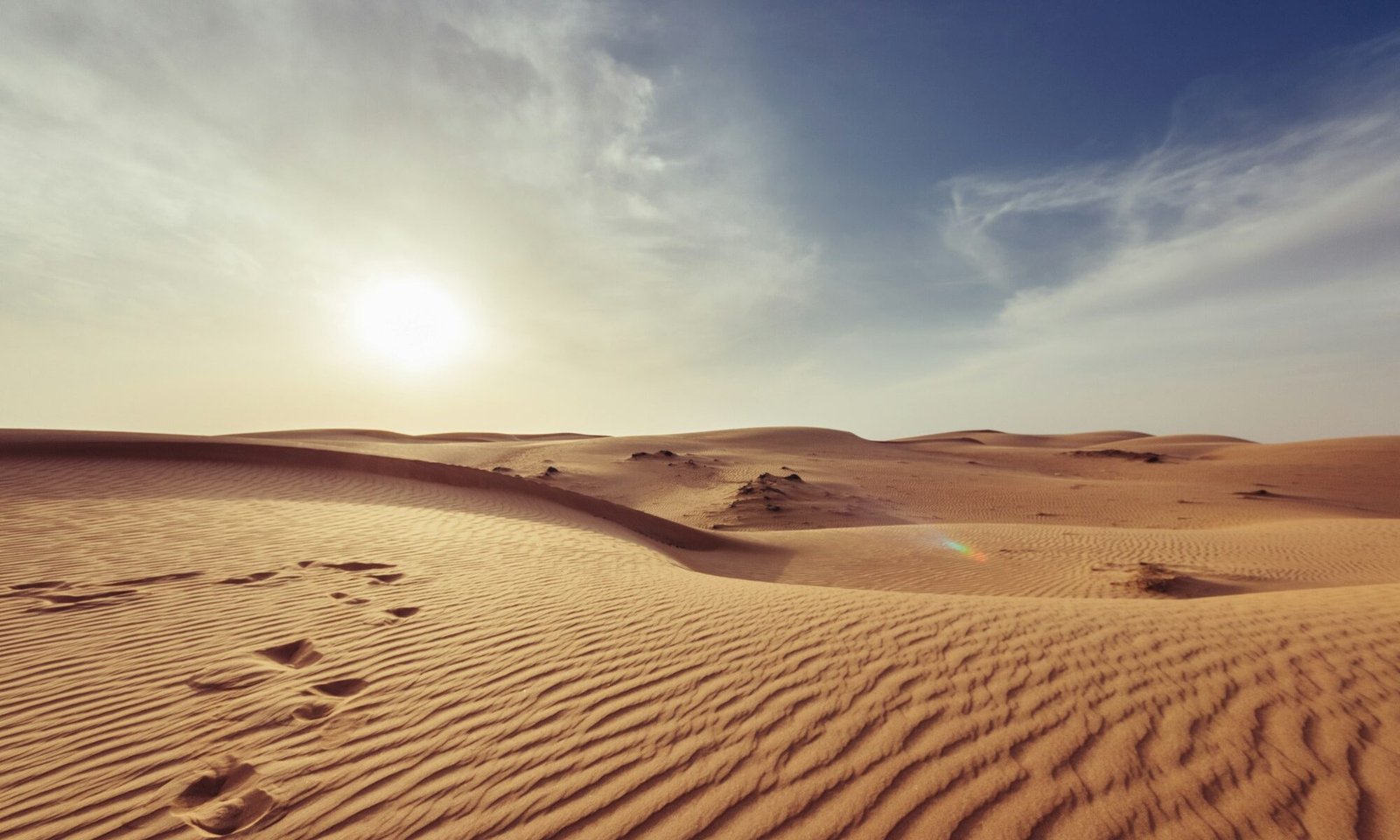
Plan a half day to a full day at White Sands National Park in southern New Mexico, ideally from October to April. Drive the 8-mile Dunes Drive into the heart of the dunefield, buy or bring a plastic saucer for sledding, walk the Interdune Boardwalk and Dune Life Nature Trail, and stay for sunset, when the white sand turns pink and gold. Check for missile range closures before you go, and carry plenty of water. Even on cool days, the bright sand reflects strong sun.
White Sands protects the largest gypsum dunefield on Earth, about 275 square miles of shimmering white dunes in the Tularosa Basin. Gypsum is rare as sand, because it dissolves in water. Here, it washes down from surrounding mountains into a basin with no outlet to the sea, then crystallizes and gets broken down by wind into fine white grains that pile into waves of dunes up to about 60 feet tall. The result looks like a snowfield in the desert. And unlike the quartz sand of most beaches, gypsum reflects sunlight instead of absorbing it, so it often stays cool enough to walk on barefoot, even on warm days.
White Sands became the country’s 62nd national park in December 2019, after decades as a national monument. It’s small enough to enjoy in a day, unusual enough to remember forever, and one of the most family-friendly parks in the West. Adults who arrive planning a quick look often stay for hours, sliding down dunes like kids. Plan for more time than you think you need, and plan to be there when the light goes golden.
- 275 sq miThe world’s largest gypsum dunefield
- 8 miDunes Drive, each way
- Oct–AprThe most comfortable months
- SunsetThe best hour of the day here
The missile range: a quirk you need to know
White Sands is surrounded by White Sands Missile Range, a large military testing area. During some tests, the park’s Dunes Drive and the nearby highway, US-70, close temporarily for safety, typically for a few hours. Closures are usually announced in advance on the park’s website and social media. Check before you go, especially if you’re driving from Las Cruces or El Paso, because a closure can add hours to your trip.
The military connection runs deep here. The world’s first atomic bomb was tested in 1945 at the Trinity Site, on the missile range northwest of the park. The site opens to the public only on limited days a year, and the schedule has changed in recent years; check the missile range’s official announcements if you want to visit.
Dunes Drive
From the visitor center, built in the 1930s in Pueblo Revival style, Dunes Drive heads 8 miles into the dunefield. The first few miles are paved. The last few are hard-packed gypsum, which is fine for normal cars but can be slippery after rain. As you drive, plants thin out and the dunes grow taller and whiter, until you’re surrounded by sand in every direction. Pullouts, picnic areas with shade shelters that look like little spaceships, and trailheads line the road. Walk up any dune and you’ll find yourself in a white silent world within minutes.
Sledding the dunes
Sledding is the most popular activity in the park, and it’s as fun as it looks. Bring a plastic snow saucer, or buy one at the visitor center gift shop, along with a block of wax for the bottom. Find a steep dune face without plants at the bottom, wax your saucer, sit down and push off. Waxing makes a big difference; unwaxed saucers barely move. Climb back up and repeat until your legs give out. Climbing soft sand is a real workout, so pace yourself and drink water between runs, even on a cool winter afternoon. Avoid sledding near roads, parking areas or vegetation, and keep an eye on kids. The dunes in the back of the loop near the Alkali Flat trailhead and the picnic areas are popular spots.
The best trails
| Trail | Distance | Difficulty | Highlights |
|---|---|---|---|
| Interdune Boardwalk | 0.4 mi round trip | Easy, accessible | Raised boardwalk with exhibits on dune life |
| Dune Life Nature Trail | 1 mi loop | Moderate | Tracks of foxes, lizards and beetles |
| Playa Trail | 0.5 mi round trip | Easy | A dry lakebed that sometimes holds water |
| Backcountry Camping Trail | 2 mi loop | Moderate | Rolling dunes, views of the San Andres Mountains |
| Alkali Flat Trail | 5 mi loop | Strenuous | Deep in the dunefield to the edge of an ancient lakebed |
Trails across open dunes are marked with tall posts rather than a worn path, because wind erases footprints. On the Alkali Flat Trail, make sure you can see the next marker before leaving the current one. In wind, blowing sand can hide them fast, and it’s easy to get disoriented in a landscape that looks the same in every direction.
Heat: the real danger
White Sands looks gentle, and the cool sand fools people. But the sun reflects off white gypsum like snow, and there’s no shade on the dunes. Summer temperatures often pass 100°F. Visitors have died from heat on the trails here. Carry at least a gallon of water per person per day, more for hiking. Avoid hiking the Alkali Flat Trail in hot weather or after about 11 a.m. in summer. Wear sunglasses, a hat and sunscreen, even in winter, when glare is still intense. Turn back when your water is half gone.
Sunset, full moons and night programs
Sunset is the most beautiful time at White Sands. As the sun drops behind the San Andres Mountains, the dunes turn pink, lavender and gold, and long shadows sculpt every ripple. Rangers lead sunset strolls most of the year. Check the schedule at the visitor center.
On certain full-moon nights, the park hosts special programs, sometimes including full-moon hikes and evening events, when the white sand glows under the moonlight. The park usually closes at night outside of these events and camping. Check the calendar and plan around it if you can. These evenings are popular and some require advance registration.
Life in the dunes
At first glance, the dunefield looks lifeless. Look closer, especially early in the morning, and you’ll find tracks everywhere: kit foxes, coyotes, darkling beetles, lizards, rodents and roadrunners, all moving at night and resting through the heat of the day. Some animals here have evolved pale coloring to blend into the white sand, including the bleached earless lizard and the Apache pocket mouse, an example of adaptation that scientists study closely. Plants like soaptree yucca survive by stretching their stems taller as dunes bury them. The park’s small museum and the Dune Life Nature Trail explain these adaptations. Kids especially love playing detective with tracks in the first hours after sunrise, before wind and footsteps erase them.
A sample day
Mid-morning: arrive at the visitor center, check for closures and buy or rent a saucer. Walk the Interdune Boardwalk to get your bearings.
Late morning: drive to the end of Dunes Drive and walk the Dune Life Nature Trail or the Backcountry Camping Trail before the heat builds.
Lunch: picnic under a shade shelter.
Afternoon: sled the big dunes near the picnic areas. Rest in the shade when it gets hot.
Sunset: join a ranger sunset stroll or climb a tall dune and watch the colors change. Drive out after the park’s closing time is announced.
Camping in the dunes
White Sands has a small number of primitive backcountry campsites out in the dunes, reached by the Backcountry Camping Trail. There’s no water or shade, and you must carry everything in. Permits are required and limited, and campsites can close during missile tests. Watching stars come out over the silent white dunes is unforgettable. There is no drive-up campground in the park; nearby state parks and private campgrounds fill that gap.
When to go
October through April is the most comfortable season, with mild days. Winter mornings can be very cold, near freezing, and winds pick up in spring, especially March and April, when sandstorms can sweep the dunes. Summer brings intense heat and afternoon monsoon storms, usually July to September; lightning on the open dunes is dangerous. Weekends and holidays are busier, especially spring break.
Getting there
The park sits on US-70 about 15 minutes southwest of Alamogordo, about an hour northeast of Las Cruces and about an hour and a half from El Paso, Texas, the nearest major airport. Albuquerque is about three and a half hours north. A car is essential.
Nearby
In Alamogordo, the New Mexico Museum of Space History tells the story of rocketry in the region. Cloudcroft, a small mountain town about 30 minutes east and nearly 9,000 feet high, offers cool forests, cabins and hiking, a big contrast with the dunes. Carlsbad Caverns National Park, with its huge underground chambers, is about three and a half hours east. Together, they make a great southern New Mexico road trip. Santa Fe is about four hours north; see our Santa Fe travel guide.
Where to stay
Alamogordo has the closest hotels and motels. Las Cruces offers more options, restaurants and the historic Mesilla plaza. Cloudcroft has cabins and lodges in the mountains. Campgrounds at nearby Oliver Lee Memorial State Park, in a canyon at the base of the Sacramento Mountains, are a good choice for campers.
What it costs
Entry is charged per vehicle and valid for seven days, or covered by the annual America the Beautiful pass. Saucers and wax at the gift shop cost a few dollars to rent or buy; bring your own to save money. Backcountry camping permits are inexpensive. Motels in Alamogordo are generally affordable.
Photography tips
Go at sunset and the hour after, when soft light brings out texture and color. Early morning is also beautiful, with fresh ripples and animal tracks before people walk the dunes. Midday light is harsh and the sand turns flat white. Expose carefully; the bright sand fools camera meters, so you may need to brighten your exposure. Protect your gear from blowing sand with a bag, and avoid changing lenses in the wind. Drones are not allowed.
With kids
White Sands might be the most kid-friendly national park in the country. Sledding, rolling down dunes, building sand forts and looking for animal tracks can fill an entire day. The boardwalk is stroller-friendly. Bring extra clothes, water, snacks and sun protection, and keep children in sight; it’s surprisingly easy to lose someone behind a dune. Pick up a Junior Ranger booklet.
Packing list
- A gallon of water per person, plus extra in the car
- Sunglasses, a wide-brim hat and sunscreen
- A plastic saucer and wax for sledding
- Layers for cold mornings and evenings in winter
- Closed-toe shoes for hot afternoons; sand can heat up in summer
- Snacks and a picnic; there is no food service in the dunes
Common mistakes
Not checking for missile test closures. You may find the road closed.
Hiking in midday heat. The sun and glare are stronger than they feel.
Forgetting to wax the sled. It won’t slide well without it.
Leaving before sunset. It’s the best part of the day.
Losing sight of trail markers. Always keep the next post in view.
Frequently asked questions
How long do you need at White Sands?
Half a day covers the drive, a short trail and sledding. Stay through sunset for the full experience.
Can you sled at White Sands National Park?
Yes. Bring a plastic saucer or buy one at the visitor center, and wax the bottom.
Why is the sand at White Sands cool?
Gypsum reflects sunlight rather than absorbing it, so it stays cooler than typical sand.
Does White Sands close for missile tests?
Sometimes. Dunes Drive and nearby highways can close temporarily. Check the park website before visiting.
Plan your visit
- Check the park website for missile test closures and sunset times.
- Pick up or pack a saucer and wax.
- Bring a gallon of water per person.
- Plan to stay until after sunset.
Eric Gamble
Eric Gamble is the founder of Travon Inc. and editor-in-chief of Travon Blog, based in New Orleans. He plans every guide around the questions travelers actually ask before they book: when to go, what it really costs, how to get around and what is worth skipping. Eric oversees research, fact-checking and the regular updates that keep each guide accurate.