Redwood National and State Parks Guide: Tallest Trees, Fern Canyon, Elk
The tallest trees on Earth grow in fog-soaked groves along California’s far north coast. How to plan Redwood National and State Parks, from Fern Canyon permits to the quiet groves most visitors drive past.
Spend two days in Redwood National and State Parks on California’s far north coast. Walk Lady Bird Johnson Grove and Stout Memorial Grove, drive the Newton B. Drury Scenic Parkway and the gravel Howland Hill Road through old-growth forest, and hike Fern Canyon, which needs a parking reservation in summer. Watch Roosevelt elk at Elk Prairie, and get a free permit if you want to hike to the Tall Trees Grove. Base yourself in Crescent City, Klamath or Trinidad. Entry to the national park is free; some state park areas charge a day-use fee.
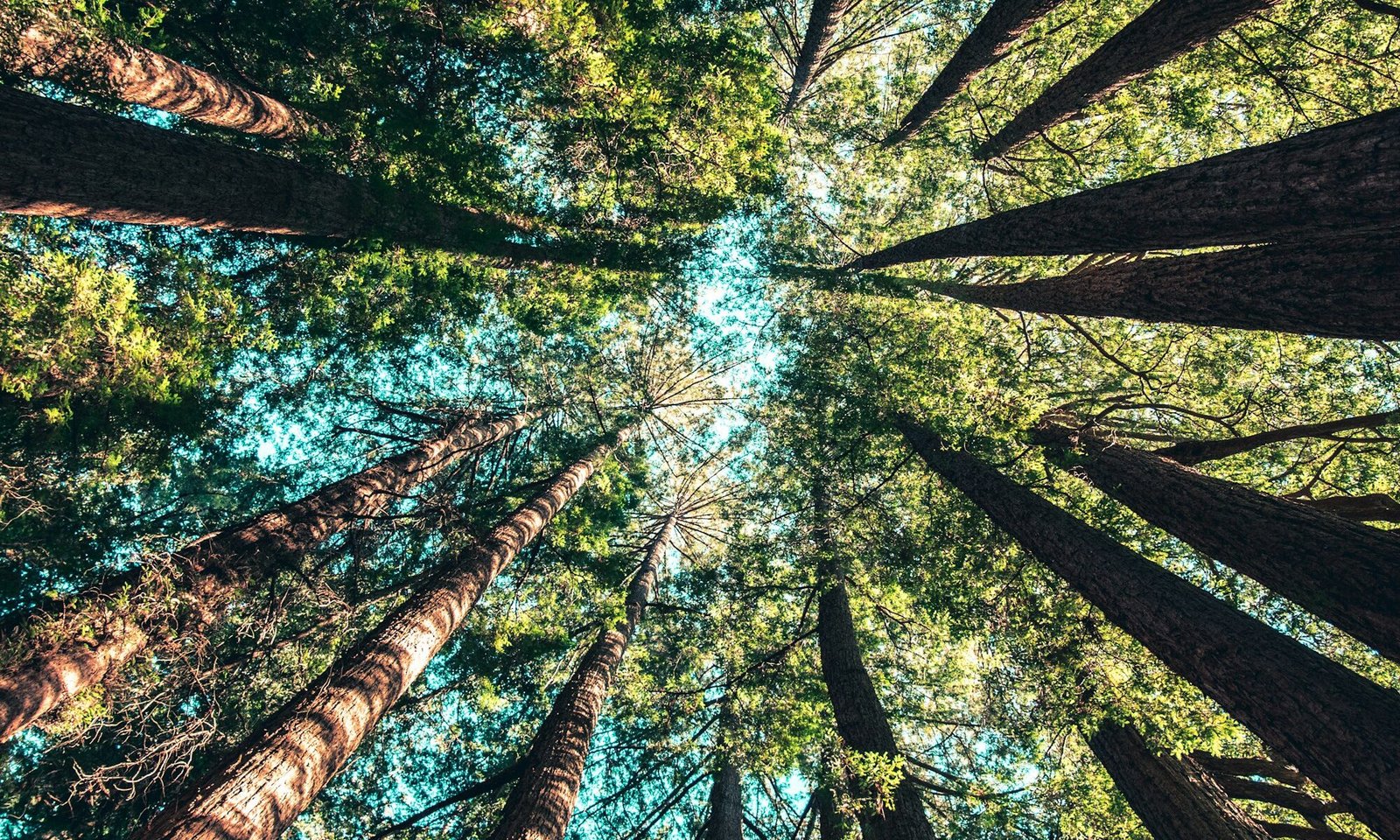
Coast redwoods are the tallest trees on Earth. The tallest known, nicknamed Hyperion, stands about 380 feet high, taller than a 35-story building, somewhere in these parks. Many redwoods here are more than 1,000 years old, and some approach 2,000. Walking among them in morning fog, with sunlight slanting through the canopy and ferns covering the forest floor, is one of the most moving experiences in American travel. It feels like a cathedral, and people instinctively lower their voices. Many visitors plan a quick stop on a coastal road trip and end up staying an extra day. The trees have that effect. This guide helps you see the best groves, avoid the common mistakes and leave the forest as wild as you found it.
These forests once covered about two million acres along the coast of Northern California and southern Oregon. Logging in the 19th and 20th centuries cut most of them. Only a small fraction of the original old-growth redwood forest survives, and a large share of what remains is protected here.
- About 380 ftHeight of the tallest known tree
- FreeEntry to the national park
- 4 parksOne national and three state parks, managed together
- 2 daysThe right length for a first visit
Four parks, one destination
Redwood National and State Parks is a partnership. Redwood National Park, created in 1968, is managed together with three older California state parks: Prairie Creek Redwoods, Del Norte Coast Redwoods and Jedediah Smith Redwoods. Together, they stretch about 50 miles along US-101 from near Orick in the south to Crescent City in the north. Visitors rarely notice the boundaries, but the difference matters for fees: the national park is free, while some state park campgrounds and day-use areas charge fees.
The parks are a UNESCO World Heritage Site and an International Biosphere Reserve. They protect not only redwoods but also prairies, rivers and about 40 miles of wild coastline.
The best groves and short walks
| Grove or trail | Area | Distance | Why go |
|---|---|---|---|
| Lady Bird Johnson Grove | Redwood National Park, near Orick | 1.5 mi loop | Easy introduction to old-growth redwoods |
| Stout Memorial Grove | Jedediah Smith Redwoods | About 0.5 mi loop | One of the most beautiful groves anywhere |
| Big Tree Wayside | Prairie Creek Redwoods | Short walk | A giant redwood a few steps from the road |
| Fern Canyon | Prairie Creek, Gold Bluffs Beach | About 1 mi loop | Canyon walls covered in ferns |
| Tall Trees Grove | Redwood National Park | About 4 mi round trip | Remote grove of giants, free permit required |
| Trillium Falls | Near Elk Meadow | About 2.5 mi loop | Small waterfall and redwoods |
Stout Memorial Grove is many visitors’ favorite. It’s a flat loop among enormous trees beside the Smith River, with almost no undergrowth, so you can see the full height of the trunks. Go early, when mist hangs in the grove and sunbeams break through the canopy in long, glowing shafts.
Lady Bird Johnson Grove, named for the first lady who dedicated it in 1969, is an easy, well-signed loop on a ridge, perfect for a first walk.
Fern Canyon
At Gold Bluffs Beach in Prairie Creek Redwoods, a short trail leads into Fern Canyon, a narrow gorge whose walls, 50 to 80 feet high, are covered with layers of ferns. A small creek runs along the floor, and you walk on gravel and over logs, often with wet feet. Scenes from Jurassic Park: The Lost World were filmed here, and it really does feel prehistoric.
Getting there requires driving Davison Road, a narrow, unpaved road with possible stream crossings, not suitable for trailers or large RVs. From about mid-May to mid-September, a free parking reservation is required to drive to Fern Canyon and Gold Bluffs Beach, and spots are limited. Book ahead on the park’s reservation system. Footbridges into the canyon are typically installed only in summer; at other times, expect to walk through water.
Tall Trees Grove
The Tall Trees Grove protects some of the tallest trees in the parks, deep in the Redwood Creek valley. To limit impacts, the access road is gated and a free permit is required, with a limited number issued each day. The hike drops about 800 feet over roughly two miles to the grove, then climbs back. It’s quiet and wild, and worth the effort.
Please don’t go looking for Hyperion. Its location is kept secret, and the area around it is closed to visitors. Off-trail visits trampled the fragile forest floor and damaged roots, and the park now warns that people caught in the closed area can face significant fines and even jail time. The tallest tree is not more impressive than the hundreds of giants you can see on trails.
Scenic drives
Newton B. Drury Scenic Parkway is a 10-mile alternate to US-101 through the heart of Prairie Creek Redwoods, lined by old-growth trees, with pullouts and trailheads along the way. Drive it slowly.
Howland Hill Road, near Crescent City, is a narrow, mostly unpaved road winding for several miles through Jedediah Smith Redwoods, with trees so close you can almost touch them from the car. It leads to Stout Memorial Grove. Not for trailers or large RVs.
Coastal Drive, near the mouth of the Klamath River, offers ocean views, a former World War II radar station disguised as a farmhouse and great whale-watching spots, though sections may be closed due to erosion.
Roosevelt elk
Herds of Roosevelt elk, the largest elk subspecies in North America, graze in the parks’ meadows. Elk Prairie, beside the Prairie Creek Visitor Center, and Elk Meadow, near Orick, are the most reliable places to see them, often right beside the road. In fall, during the rut, bulls bugle and spar. Stay at least 25 yards away, and much more from bulls in fall and cows with calves in spring. They are wild and can charge.
The coast
The redwoods meet a rugged, foggy coastline. Gold Bluffs Beach is wide and wild. Enderts Beach, near Crescent City, has tide pools at low tide. Klamath River Overlook is a great spot to watch for gray whales during migration and harbor seals and sea lions near the river mouth. The ocean here is cold and rough. Swimming is not recommended; beware of sneaker waves.
A two-day plan
Day one: start at the Thomas H. Kuchel Visitor Center near Orick. Walk Lady Bird Johnson Grove. See the elk at Elk Meadow. Drive to Gold Bluffs Beach with your reservation and hike Fern Canyon. Finish with the Newton B. Drury Scenic Parkway and a stop at Big Tree Wayside.
Day two: drive north to Crescent City. Take Howland Hill Road to Stout Memorial Grove in the morning mist. Walk along the Smith River, one of the clearest rivers in California. Visit Enderts Beach at low tide, or the Battery Point Lighthouse in Crescent City.
With a third day, hike to the Tall Trees Grove with your permit, or take a longer trail like the James Irvine Trail.
When to go
The parks are open year-round. Summer, June to August, brings the warmest weather but often heavy coastal fog. September and October are often the clearest, sunniest months, with fewer crowds. Winter is rainy, with storms and swollen rivers, but the forest is green and quiet. Spring brings wildflowers and rhododendrons blooming beneath the redwoods in May and June. Temperatures are mild most of the year, often in the 50s and 60s near the coast. Pack layers and a rain jacket in any season.
Where to stay
The parks have four main campgrounds: Jedediah Smith, Mill Creek, Elk Prairie and Gold Bluffs Beach. Sleeping among the redwoods is unforgettable; reserve early for summer. Nearby towns include Crescent City, with the most hotels; Klamath, small and central; Orick, tiny, near the southern parks; and Trinidad, a beautiful seaside village with inns about 40 minutes south. Arcata and Eureka, further south, have more restaurants and lodging.
Getting there
The parks are remote. From San Francisco, it’s about five to six hours’ drive north on US-101. Small regional airports serve the area, including one near Arcata and one in Crescent City, with limited flights. Many visitors combine the redwoods with a coastal road trip. Continue north into Oregon with our Oregon coast road trip, or head south on the Pacific Coast Highway. Along the way, the 31-mile Avenue of the Giants in Humboldt Redwoods State Park, south of Eureka, is another spectacular redwood drive.
Redwoods vs sequoias
People often confuse coast redwoods with giant sequoias. Coast redwoods grow along the foggy Pacific coast and are the tallest trees on Earth. Giant sequoias grow inland in the Sierra Nevada and are the largest by volume, with much thicker trunks. Both are related and both are spectacular. To see sequoias, read our Sequoia and Kings Canyon guide.
How redwoods grow so tall
Coast redwoods thrive in a narrow strip of coastline where winter rains are heavy and summer fog rolls in almost daily. The fog is essential. In dry summer months, redwoods pull moisture straight from the fog through their needles, and fog dripping off the canopy waters the forest floor. Thick, tannin-rich bark protects the trees from insects, rot and fire; many old redwoods carry black fire scars from blazes they survived centuries ago. When a redwood falls, new trees often sprout from its roots or stump, forming rings of younger trees called fairy rings or family circles. Up in the canopy, hundreds of feet above the ground, whole ecosystems of ferns, lichens, insects and even small salamanders live in soil pockets that build up on the branches. Scientists still discover new things in the redwood canopy every year.
Packing list
- A rain jacket and warm layers, even in summer
- Waterproof shoes or sandals for Fern Canyon
- Binoculars for elk and whales
- A printed or saved Fern Canyon reservation and Tall Trees permit
- Snacks and water; services between towns are limited
With kids
Kids love the redwoods. Fern Canyon is an adventure with logs to climb and creek water to splash through. Elk are easy to spot. Short loops like Stout Grove are perfect for little legs. Pick up a Junior Ranger booklet at a visitor center. Some families add a stop at Trees of Mystery, a private roadside attraction in Klamath with giant statues of Paul Bunyan and his blue ox, Babe.
Common mistakes
Driving through without stopping. US-101 passes the parks, but the best groves require short detours.
Forgetting the Fern Canyon reservation. You won’t be allowed in during summer without one.
Searching for Hyperion. It’s closed, damaging and can lead to big fines.
Getting too close to elk. Keep your distance.
Frequently asked questions
Is Redwood National Park free?
The national park has no entrance fee. Some state park areas and campgrounds charge fees.
Do you need a reservation for Fern Canyon?
Yes, a free parking reservation is required from about mid-May to mid-September.
How many days do you need in Redwood National Park?
Two days covers the main groves, Fern Canyon and the coast.
Where is the tallest tree in the world?
In Redwood National Park, but its location is secret and the area is closed to protect it.
Plan your trip
- Book a Fern Canyon reservation if visiting in summer.
- Request a Tall Trees Grove permit if you want the longer hike.
- Reserve a campsite or a room in Crescent City or Trinidad.
- Plan your groves for early morning, when the fog makes them magical.
Eric Gamble
Eric Gamble is the founder of Travon Inc. and editor-in-chief of Travon Blog, based in New Orleans. He plans every guide around the questions travelers actually ask before they book: when to go, what it really costs, how to get around and what is worth skipping. Eric oversees research, fact-checking and the regular updates that keep each guide accurate.