
Key West Travel Guide: Sunsets, Hemingway and the Dry Tortugas
The end of the road in the continental United States, closer to Havana than to Miami’s airport, with six-toed cats, free-roaming roosters, a nightly sunset party and a fort on an island 70 miles offshore. Everything to plan a Key West trip, with real prices and the best time to go.

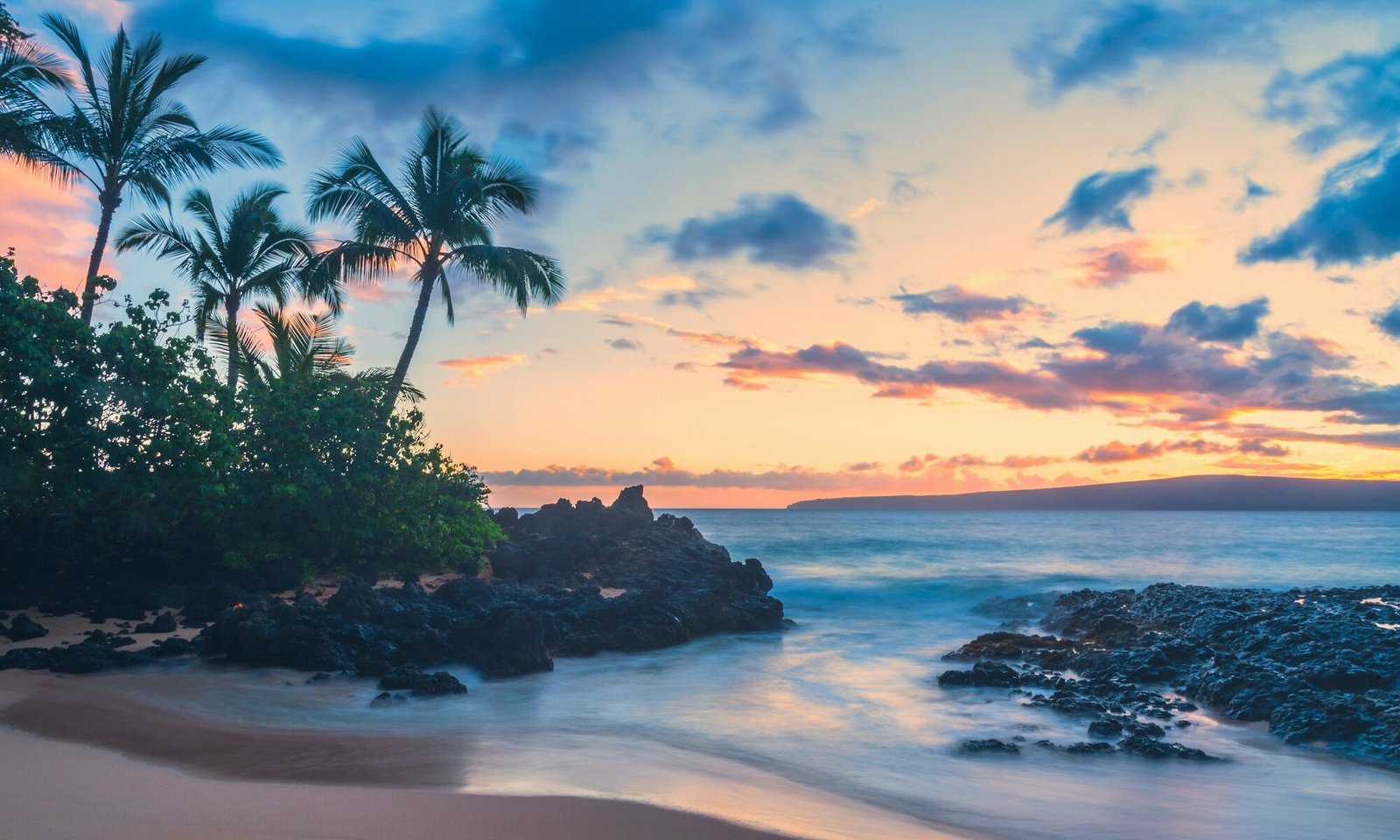
Plan three to four days in Key West to see the main sights at an easy island pace. Watch the sunset at Mallory Square, tour the Ernest Hemingway Home and its six-toed cats, rent a bike to explore the old town’s side streets, snorkel the reef and take a full-day trip to Dry Tortugas National Park, 70 miles west. The best time to visit is late March through May, when the weather is warm and dry and winter crowds thin. December to March is peak season with the highest prices. June through November is hot and humid, and it is hurricane season.
Key West is the last island in the long chain of the Florida Keys, connected to the mainland by the Overseas Highway and its 42 bridges. It sits about 90 miles from Cuba and is the southernmost city in the continental United States. The island is small, about four miles long and less than two miles wide, and its old town is packed with gingerbread-trimmed wooden houses, tin roofs, banyan trees, bougainvillea and enough bars to last a lifetime. Wild chickens and roosters strut across sidewalks everywhere, descendants of birds kept for eggs and cockfighting decades ago.
The island has a long history as a place where people come to escape. Pirates, wreckers who salvaged ships from the reef, cigar makers from Cuba, writers, artists, sailors, treasure hunters and generations of free spirits have all left their mark. In 1982, after the US Border Patrol set up a roadblock on the highway that hurt tourism, the city declared itself the “Conch Republic,” seceded from the United States in a mock protest, surrendered a minute later and asked for foreign aid. The flag still flies around town, and that sense of humor is part of the place. Key West is expensive and touristy in places, but it is also beautiful, relaxed and unlike anywhere else in the country.
- 90 miDistance to Cuba from the Southernmost Point
- Mile 0The end of US-1, which starts in Maine
- 70 miWest to Dry Tortugas National Park
- Mar–MayWarm, dry weather with fewer crowds
Three days in Key West
| Day | Morning | Afternoon | Evening |
|---|---|---|---|
| 1 | Bike around Old Town, Southernmost Point | Hemingway Home, Key West Lighthouse | Mallory Square sunset, Duval Street |
| 2 | Dry Tortugas ferry | Fort Jefferson, snorkeling | Return by evening, seafood dinner |
| 3 | Snorkel or sail on the reef | Fort Zachary Taylor beach, Truman Little White House | Sunset sail, Bahama Village dinner |
Old Town highlights
Mallory Square sunset. Every evening, crowds gather on the waterfront at Mallory Square for the Sunset Celebration, a tradition since the 1960s. Street performers juggle fire, walk tightropes, play music and tell jokes, food carts sell conch fritters and key lime pie, and everyone cheers when the sun drops into the Gulf. It can be crowded, especially when cruise ships are in port, but it is still fun. For a calmer view, try Fort Zachary Taylor or a sunset sail.
The Ernest Hemingway Home and Museum. Hemingway lived in this Spanish Colonial house from 1931 until 1939 and wrote some of his best-known work here, including parts of To Have and Have Not and short stories like “The Snows of Kilimanjaro.” Guided tours run throughout the day and are full of good stories. The house is also home to about 60 cats, many of them polydactyl, with six toes, descendants of a cat Hemingway was given by a ship’s captain. Admission is cash only in some periods, so check before you go.
The Southernmost Point Buoy. A big painted concrete buoy at the corner of Whitehead and South streets marks the southernmost point of the continental United States, 90 miles from Cuba. Expect a line for photos, sometimes a long one. Go early in the morning or late at night.
Duval Street. Key West’s main street runs from the Gulf to the Atlantic, about a mile and a quarter long, lined with bars, restaurants, art galleries and souvenir shops. It is lively during the day and loud at night. The “Duval Crawl,” a bar crawl from one end to the other, is a local rite of passage.
The Key West Lighthouse. Built in 1848, it rises across the street from the Hemingway Home. Climb its 88 steps for views over the island’s rooftops.
Harry S. Truman Little White House. President Truman spent 175 days of his presidency in this white house on the old naval station, and it served as a winter White House. Guided tours tell its story, including later visits by presidents Eisenhower, Kennedy and Carter.
Key West Cemetery. Above-ground tombs and quirky epitaphs fill this old cemetery in the middle of town, including one that famously says, “I told you I was sick.”
Bahama Village. This historic neighborhood was settled by Bahamian immigrants in the 1800s. Its streets have colorful houses, roosters and some of the best casual restaurants on the island. Nearby, the Key West Butterfly and Nature Conservatory is a lovely glass dome full of butterflies and birds.
Day trip: Dry Tortugas National Park
Seventy miles west of Key West, Dry Tortugas National Park protects seven small islands surrounded by clear blue water and coral reefs. The highlight is Fort Jefferson, a massive six-sided brick fort built in the mid-1800s on Garden Key. It is one of the largest masonry structures in the Americas, built with an estimated 16 million bricks, and was never finished. During and after the Civil War, it served as a prison; its most famous inmate was Dr. Samuel Mudd, convicted for setting the broken leg of John Wilkes Booth.
The park is only reachable by boat or seaplane. The Yankee Freedom ferry, the park’s official ferry, leaves Key West early each morning and takes about two hours and 15 minutes each way. A day trip gives you about four hours on the island, with breakfast, lunch, snorkeling gear and a guided fort tour included. Fares have been above $200 per adult in recent years, including the park entrance fee. Seaplanes are faster, about 40 minutes each way, and much more expensive, but the views of shallow water and shipwrecks are spectacular.
The snorkeling around the fort’s moat walls is excellent, with coral, sea fans, parrotfish and sometimes nurse sharks. The islands are also important for birds; in spring, thousands of sooty terns nest on nearby Bush Key. Camping on Garden Key is possible with permits, and the ferry has limited space for campers.
Book the ferry weeks or months ahead, especially from December to May. Seas can be rough, and people prone to seasickness should take medicine before boarding. Trips can be canceled for weather. Our best national parks guide explains why Dry Tortugas is one of the most unusual parks in the system.
On and under the water
The Florida Reef, the only living coral barrier reef in the continental United States, lies about six miles offshore. Boat trips from Key West visit spots like Sand Key, with its old lighthouse, for snorkeling and diving. You’ll likely see tropical fish, rays and sea turtles. The reef has suffered from disease, pollution and marine heat waves, including a severe coral bleaching event in 2023, so its health varies by site. Use reef-safe sunscreen, never stand on or touch coral and choose operators who follow conservation practices.
Other options include sunset sails on tall ships and catamarans, kayaking through mangroves in the backcountry, glass-bottom boat tours and deep-sea fishing charters. Parasailing and jet ski tours around the island are popular, too.
Beaches
Key West isn’t known for its beaches. Most of the island’s shoreline is rocky or built up, and the sand that exists was often brought in. Still, there are a few good options.
| Beach | Best for | Notes |
|---|---|---|
| Fort Zachary Taylor Historic State Park | Snorkeling, shade, sunsets | Small entrance fee; rocky entry, bring water shoes |
| Smathers Beach | Long sandy stretch, water sports | Largest public beach on the island, near the airport |
| Higgs Beach | Picnics, pier, calm water | Near the Southernmost Point, with an African cemetery memorial |
| Bahia Honda State Park (35 miles north) | The best beaches in the Keys | Worth the drive; arrive early to get in |
Our beach packing list covers water shoes, sun protection and snorkel gear.
What to eat and drink
Key lime pie is the island’s signature dessert, made with small, tart key limes, condensed milk and a graham cracker crust. Real versions are pale yellow, not green. Debates over whether meringue or whipped cream is correct are intense. Try a slice dipped in chocolate on a stick.
Conch fritters are fried balls of chopped conch, a type of sea snail, served with dipping sauce. Most conch is now imported, because harvesting queen conch in Florida has been banned since the 1980s to protect the population.
Key West pink shrimp, sweet and tender, are caught locally and served steamed, fried or in tacos. Stone crab claws are in season from mid-October to May. Cuban food is everywhere, from café con leche and Cuban bread for breakfast to Cuban sandwiches and black beans and rice for lunch. Fresh fish like hogfish, grouper and mahi-mahi appears on most menus.
For drinks, the classic is a rum runner or a mojito. Some of Hemingway’s favorite haunts still serve drinks, and bars with live music line Duval Street. Our Southern food guide has more Florida specialties.
What it costs
| Expense | Budget | Mid-range | Notes |
|---|---|---|---|
| Hotel per night | $180–$250 | $300–$550 | Highest from Christmas to Easter; hostels and guesthouses are the budget options |
| Dry Tortugas ferry | About $200+ per adult | Seaplane about $400–$800+ | Includes food, gear and park fee on the ferry |
| Snorkel or sail trip | $50–$80 | $90–$150 | Sunset sails often include drinks |
| Food per person per day | $40–$60 | $80–$130 | Cuban cafés and fish tacos are cheapest |
| Bike rental per day | $15–$25 | $25–$35 for e-bikes | The best way to get around |
Key West is one of the most expensive places to stay in Florida, mostly because of limited space on the island. To save, visit in the shoulder season, stay on Stock Island or farther up the Keys and drive or bike in, skip the car and eat Cuban food. Watch for resort fees and parking charges, explained in our resort fees guide.
When to go
December through March is high season, with pleasant temperatures in the 70s, almost no rain and very high prices. Spring break in March brings more crowds. Late March through May is often the best balance: warm, still fairly dry and a bit cheaper. June through September is hot and humid, with afternoon showers, warm seas and lower rates. Hurricane season runs from June through November, with peak risk from August to October; Hurricane Irma hit the Keys hard in 2017. Read our hurricane season guide if you travel then.
Key West’s big events include Hemingway Days in July, with a famous lookalike contest, and Fantasy Fest in late October, a 10-day adult costume festival with a parade; it is not for families. Hotels are expensive and fully booked during both.
Getting there and around
Key West International Airport has direct flights from several US cities, though fares are often high. Many visitors fly into Miami or Fort Lauderdale and drive the Overseas Highway, about 160 miles from Miami, which takes three and a half to four and a half hours depending on traffic. It is one of the most beautiful drives in the country, and our Florida Keys road trip guide covers the best stops along the way. Ferries also run from Fort Myers and Marco Island on Florida’s Gulf Coast.
Once you arrive, park your car and leave it. Old Town is compact and flat, and parking is expensive and limited. Rent a bike, walk or use the free Duval Loop bus. Electric carts and scooters are popular but can be risky in traffic.
Where to stay
Old Town is the most convenient, with historic inns, guesthouses and boutique hotels within walking distance of Duval Street. Quieter streets a few blocks off Duval have charming bed-and-breakfasts in old Conch houses. Resorts on the water along the island’s edges have pools and private beaches. New Town, closer to the airport, has more chain hotels at lower prices. Stock Island, just north of Key West, has a few newer hotels and marinas with lower rates. Many guesthouses have adults-only policies, so check before booking with kids.
Common mistakes
Not booking the Dry Tortugas ferry early. It often sells out weeks ahead in season.
Bringing a car into Old Town. Parking is scarce and costly. Bikes are faster.
Expecting wide sandy beaches. Go to Bahia Honda for that.
Underestimating the sun. Burns happen fast on the water, even in winter.
Touching coral or feeding fish. It harms a reef that is already struggling.
Frequently asked questions
How many days do you need in Key West?
Three to four days lets you see Old Town, take a Dry Tortugas day trip and spend time on the water.
Is the Dry Tortugas trip worth it?
Yes, if you enjoy history, snorkeling and remote places. It is a long, expensive day but unforgettable.
Do you need a car in Key West?
No. Bikes, walking and the free Duval Loop bus cover Old Town. A car is useful only for driving the Keys.
What is the best month to visit Key West?
April and May offer warm, dry weather with fewer crowds than winter.
Can you see Cuba from Key West?
No. Cuba is about 90 miles away, well beyond the horizon.
Plan your trip
- Choose dates in late March to May for the best value and weather.
- Book the Dry Tortugas ferry and your hotel early.
- Decide whether to fly in or drive the Overseas Highway.
- Reserve a bike for your whole stay.
- Plan at least one sunset at Mallory Square and one on the water.
Eric Gamble
Eric Gamble is the founder of Travon Inc. and editor-in-chief of Travon Blog, based in New Orleans. He plans every guide around the questions travelers actually ask before they book: when to go, what it really costs, how to get around and what is worth skipping. Eric oversees research, fact-checking and the regular updates that keep each guide accurate.