Amtrak Train Travel Guide: Routes, Sleepers, Prices and Tips
Two days across the Rockies in a sleeper car, dinner in the dining car and no airport security line: train travel in the US is slow, sometimes late and often wonderful. How Amtrak works, which routes are most scenic, what roomettes really cost and how to book smart.

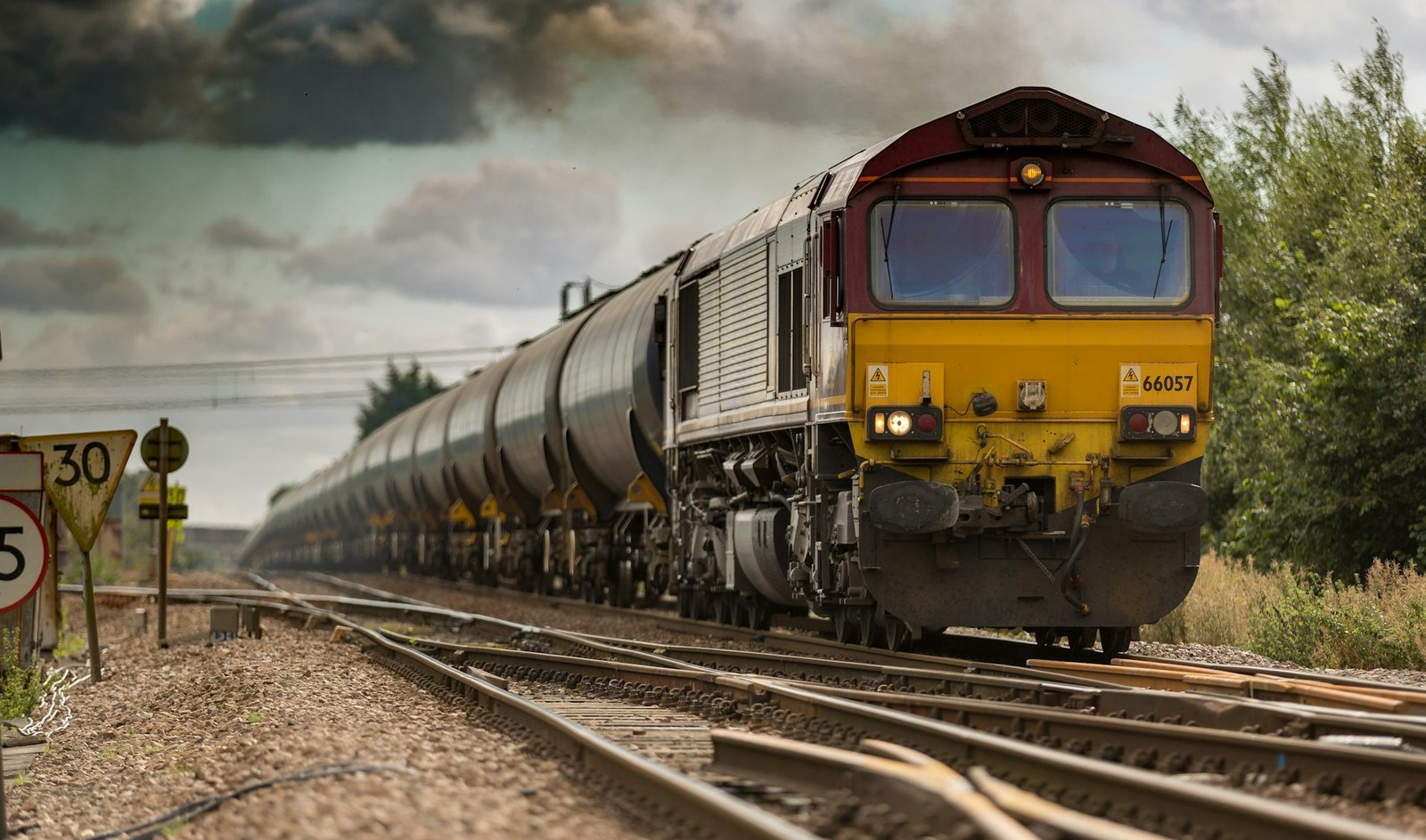
Amtrak is the national passenger railroad of the United States, serving more than 500 destinations in 46 states. It works best in two ways: fast, frequent trains on the Northeast Corridor between Washington, New York and Boston, and scenic long-distance routes like the California Zephyr, Empire Builder, Coast Starlight and Southwest Chief, where the journey is the vacation. For overnight trips, book a roomette or bedroom, which includes meals, as early as possible, since fares rise as seats sell. Expect delays on long-distance routes, and bring snacks, layers and patience.
Taking a long-distance train across the United States is one of the best ways to see the country, and one of the least understood. Many Americans haven’t ridden a train beyond a commuter line, and European or Japanese travelers expecting high-speed rail are often surprised by the pace. Outside the Northeast, Amtrak trains share tracks owned by freight railroads, run once a day or less on many routes, and travel at average speeds that can make a flight look like a miracle. A trip from Chicago to San Francisco by train takes about two days; by plane, about four and a half hours.
And yet, the train shows you a country that disappears from 35,000 feet: the snowy canyons of the Colorado Rockies, the sunlit Pacific coast, the Great Plains rolling past at sunset and small towns where the station is the oldest building on Main Street. You can walk around, sleep in a bed, eat dinner with strangers and look out a large window for hours. For travelers who value the journey, few experiences in America compare.
- 1971Year Amtrak began service
- 500+Destinations in 46 states
- ≈51 hoursChicago to the San Francisco Bay Area on the California Zephyr
- Meals includedIn sleeper fares on most long-distance trains
Two kinds of Amtrak travel
Corridor trains connect nearby cities quickly and frequently. The busiest is the Northeast Corridor between Washington, Philadelphia, New York and Boston, served by Northeast Regional trains and the faster Acela, which reaches speeds of up to 150 to 160 miles per hour on some stretches. In many cases, the train is faster than flying when you count airport time, and stations are downtown. Other popular corridors include Chicago to Milwaukee and St. Louis, the Pacific Surfliner between San Diego, Los Angeles and San Luis Obispo, the Capitol Corridor in Northern California, and the Cascades between Eugene, Portland, Seattle and Vancouver, British Columbia.
Long-distance trains cover hundreds or thousands of miles, usually once a day, with sleeping cars, dining cars and lounge cars. These are the trains for scenic journeys.
The most scenic long-distance routes
| Route | Endpoints | Time end to end | Scenic highlights |
|---|---|---|---|
| California Zephyr | Chicago – Emeryville (San Francisco Bay Area) | About 51 hours | Colorado Rockies, Glenwood Canyon, Utah deserts, Sierra Nevada |
| Empire Builder | Chicago – Seattle or Portland | About 45–46 hours | Mississippi River, Great Plains, Glacier National Park, Cascades |
| Coast Starlight | Seattle – Los Angeles | About 35 hours | Cascades, Mount Shasta, Pacific coastline near Santa Barbara |
| Southwest Chief | Chicago – Los Angeles | About 43 hours | Raton Pass, New Mexico mesas, Arizona high desert |
| Adirondack | New York – Montreal | About 11 hours | Hudson River, Lake Champlain shoreline |
| City of New Orleans | Chicago – New Orleans | About 19–20 hours | Mississippi Delta, small Southern towns |
| Auto Train | Lorton, Virginia – Sanford, Florida | About 17 hours | Brings your car along; skips I-95 traffic |
The California Zephyr is often called the most beautiful train ride in North America. After crossing Iowa and Nebraska overnight, it climbs into the Rockies west of Denver, passing through the Moffat Tunnel under the Continental Divide and then following the Colorado River through Gore Canyon and Glenwood Canyon, places no road reaches. On the second day, it crosses Utah and Nevada, and on the third morning, it climbs over Donner Pass in the Sierra Nevada before descending to the Bay Area.
The Empire Builder runs along the southern edge of Glacier National Park, with seasonal stops at East Glacier and West Glacier that make it possible to reach the park without a car. The Coast Starlight hugs the Pacific coast for more than 100 miles in Southern California, with views of beaches and surf you can’t see from Highway 101. Our Pacific Coast Highway guide covers the drive alternative.
The Sunset Limited between New Orleans and Los Angeles and the Cardinal between New York and Chicago through West Virginia’s New River Gorge are also scenic, but both run only a few days a week. Check schedules before planning.
Seats and sleeping cars
Long-distance trains on Western routes mostly use two-level Superliner cars, with seats and rooms upstairs and down. Eastern routes use single-level Viewliner and other cars because of lower tunnel clearances.
| Option | What you get | Meals included? | Best for |
|---|---|---|---|
| Coach | Wide reclining seat with legroom and leg rest | No | Day trips and budget travelers |
| Business | More legroom, sometimes complimentary drinks | No | Corridor trains |
| Roomette | Two facing seats that convert to upper and lower bunks; shared toilets and shower | Yes | Couples and solo travelers on overnight trips |
| Bedroom | Larger room with sofa, bunks, private toilet and shower | Yes | Couples wanting more space |
| Family Bedroom | Room for two adults and two children | Yes | Families, on Superliner trains |
| Accessible Bedroom | Wheelchair-accessible room with private toilet | Yes | Travelers with mobility needs |
Coach seats on long-distance trains are far roomier than airplane seats, with deep recline and footrests, and many travelers sleep in them overnight. Bring a pillow, blanket, eye mask and earplugs. Roomettes are small, about 3.5 by 6.5 feet, but having a door, a bed and an attendant who brings coffee in the morning makes a long trip much more comfortable. The upper bunk is narrow and close to the ceiling, so tall travelers may prefer a Bedroom. Sleeper passengers also get access to lounges at some major stations, like Chicago Union Station.
Meals on board
Most long-distance trains have a dining car or a lounge car serving food. On Western routes, a traditional dining car serves breakfast, lunch and dinner at tables with white tablecloths. Travelers are often seated with strangers, which is one of the joys of train travel; you might have dinner with a retired rancher, a family moving across the country and a couple of European backpackers. Sleeper fares include meals and, on many routes, a drink with dinner. Coach passengers can buy meals in the dining car on some routes or eat from the café car, which sells snacks, sandwiches, drinks and microwaved meals.
On some Eastern routes, Amtrak has used a “flexible dining” model of prepared meals rather than freshly cooked food. Menus and policies change, so check your train’s dining options when booking. Everyone can bring their own food and non-alcoholic drinks on board, and many travelers bring picnic supplies for coach.
What it costs
Amtrak uses dynamic pricing: fares rise as trains fill, so booking early saves money. Rough examples from recent years:
- Coach, Chicago to Emeryville: often about $150 to $350 one way.
- Roomette for two, Chicago to Emeryville: often about $900 to $2,500, including meals for both travelers.
- Bedroom for two on the same route: often $2,000 to $4,500 or more in peak season.
- Northeast Regional, New York to Washington: from about $30 to more than $150 depending on time and demand.
- Acela, New York to Boston: often $80 to $300.
Discounts are available for seniors 65 and older, children ages 2 to 12, students, military members, veterans, travelers with disabilities and members of some organizations. Amtrak also sells a USA Rail Pass for a set number of segments over 30 days in coach, which can be good value for multi-stop trips; you can upgrade to a sleeper for an extra charge. Watch for sales, which often happen in the off-season.
Compared with flying, the train is usually more expensive for long distances if you book a sleeper, but the fare includes a moving hotel room, meals and sightseeing. For short trips in the Northeast, it is often cheaper and faster than flying. Our cheap flights guide helps you compare.
Delays and timing
Long-distance trains are often late, sometimes by several hours. Freight trains own most of the tracks outside the Northeast and often take priority, despite federal rules giving passenger trains preference. Weather, track work and equipment problems add delays. Don’t plan tight connections between a long-distance train and a flight, and leave a buffer day before cruises or important events. Amtrak’s app and website show real-time train locations.
Schedules are designed so the most scenic sections happen in daylight for the main direction of travel, but delays can push them into darkness. Check which direction offers the best views for your route; on the California Zephyr, for example, westbound passengers see the Rockies in daylight on the second day.
Baggage
Amtrak is generous with baggage. Each passenger can bring two personal items and two carry-on bags for free, within size and weight limits. Many long-distance trains and staffed stations also offer checked baggage, with two bags checked for free. Sleeper rooms have limited space, so pack a small overnight bag with what you need for the journey and store the larger suitcase in the luggage rack downstairs or check it. Security screening is much lighter than at airports, but you should arrive 30 to 45 minutes before departure, or earlier if checking bags.
Life on board
- Sightseer Lounge cars on Western trains have floor-to-ceiling windows and swivel seats. Volunteer guides narrate scenery on some routes in summer.
- Wi-Fi is available on many corridor trains but limited or absent on long-distance routes, and cell coverage drops out in remote areas. Download entertainment before you go.
- Power outlets are available at most seats and in rooms.
- Showers are available in sleeping cars; bring flip-flops.
- Smoking is not allowed on board. Some long station stops allow passengers to step off for fresh air.
- Tipping: It is customary to tip your sleeping car attendant, often $10 to $20 per night per room, and dining car servers, even when meals are included.
Tips for a great trip
- Book sleepers as early as possible, especially for summer and fall foliage season.
- Choose a lower bunk if climbing is hard; ask for a room in the middle of the car for a smoother ride.
- Pack layers. Train temperatures vary, and some cars run cold at night.
- Bring snacks, a refillable water bottle and a small flashlight.
- Plan stopovers. Breaking a long journey with a night in Denver, Glacier or Santa Barbara makes it more relaxing.
- Download the Amtrak app for e-tickets, delays and seat or room information.
- If you’re traveling with a small dog or cat, check Amtrak’s pet policy; pets are allowed on many routes for a fee, with limits. See our dog travel guide.
Combining the train with a road trip
Trains and rental cars work well together. Take the Empire Builder to Glacier and rent a car nearby, or ride the Southwest Chief to Flagstaff and drive to the Grand Canyon. The Auto Train between Virginia and Florida carries your car, saving about 850 miles of I-95 driving. Our road trip planning guide explains how to build these combinations.
Frequently asked questions
What is the most scenic Amtrak route?
The California Zephyr is usually ranked first, followed by the Coast Starlight, Empire Builder and Southwest Chief.
How much does an Amtrak roomette cost?
It varies widely with route and demand. A cross-country roomette for two often costs $900 to $2,500, including meals.
Are meals included on Amtrak?
Meals are included for sleeper passengers on most long-distance trains. Coach passengers pay for food.
Is Amtrak usually on time?
Northeast Corridor trains are generally reliable. Long-distance trains are often late because they share tracks with freight trains.
Can you sleep in coach on Amtrak?
Yes. Coach seats recline deeply and have leg rests. Bring a pillow, blanket and eye mask.
Plan your train trip
- Pick a route, and check its schedule and which direction has the best daylight views.
- Decide between coach, roomette and bedroom based on budget and comfort.
- Book early, and look for discounts and rail passes.
- Plan a buffer before flights or events, since long-distance trains run late.
- Pack a small overnight bag, snacks, layers and offline entertainment.
Eric Gamble
Eric Gamble is the founder of Travon Inc. and editor-in-chief of Travon Blog, based in New Orleans. He plans every guide around the questions travelers actually ask before they book: when to go, what it really costs, how to get around and what is worth skipping. Eric oversees research, fact-checking and the regular updates that keep each guide accurate.