
Boston Weekend Itinerary: The Freedom Trail, Fenway and the Best Food
Revolutionary history, cannoli wars, a ballpark older than most countries’ flags and some of the best seafood in America. A two- or three-day Boston itinerary that walks the Freedom Trail in the right direction.

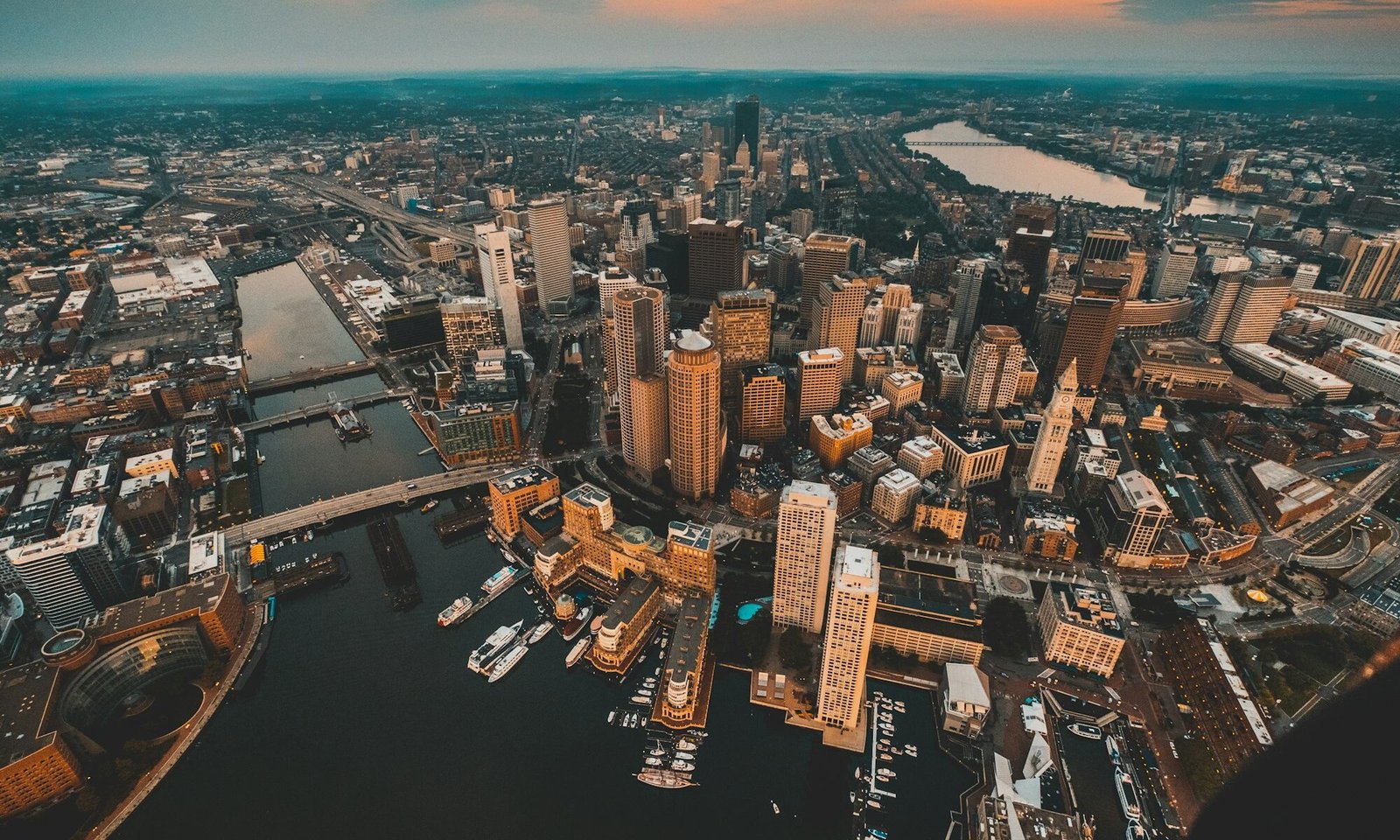
For a weekend in Boston, walk the Freedom Trail from Boston Common to the North End on day one, ending with cannoli on Hanover Street and dinner by the harbor. On day two, explore Beacon Hill and the Public Garden in the morning, the Isabella Stewart Gardner Museum or the Museum of Fine Arts in the afternoon, and a Red Sox game or tour at Fenway Park in the evening. With a third day, cross the river to Harvard and Cambridge. Use the T, not a car. Visit from May to October.
Boston is compact, walkable and dense with history. Within a mile of the State House, you can stand where the Boston Massacre happened in 1770, see the church steeple that signaled Paul Revere’s ride in 1775 and walk past the oldest public park in the country. And then eat oysters at a bar that opened in the 1820s. It is also a young city, packed with students, and its food, art and sports scenes are as lively as its history is deep.
- 2–3 daysRight length for a first visit
- 2.5 miThe Freedom Trail, 16 sites
- 1634Boston Common, the oldest US public park
- 1912The year Fenway Park opened
Before you go
Getting in. Logan International Airport is about three miles from downtown, across the harbor. The free Silver Line SL1 bus runs from the terminals to South Station, where you can connect to the subway. The Blue Line is also close, via a free shuttle. A taxi or rideshare takes 15 to 30 minutes, depending on tunnel traffic.
Getting around. Boston’s subway, called the T, is the oldest in the country; its first tunnel opened in 1897. It shows its age at times, but it covers everything you need. You can tap a contactless credit card or phone to pay. Walking is often faster for short distances. Do not drive. Boston’s streets follow old cow paths and colonial lanes, parking is expensive and local drivers are famously assertive.
When to visit. Late spring and early fall are ideal. September and October bring crisp weather and fall color. The Boston Marathon fills the city on Patriots’ Day, the third Monday in April, and college move-in and graduation weekends push hotel prices sky-high. Summer is warm and busy. Winter is cold and often snowy, but hotels are cheaper and museums are quiet.
Day 1: The Freedom Trail and the North End
The Freedom Trail is a 2.5-mile path, marked by a red brick or painted line in the sidewalk, connecting 16 historic sites from Boston Common to the Bunker Hill Monument in Charlestown. Walk it from south to north. You can follow it yourself with a map, or join a tour led by guides in colonial costume. Both are good. Guides add stories; going alone lets you set your pace.
Boston Common to the Old State House. Start on Boston Common, established in 1634 and once used to graze cattle. Walk up to the gold-domed Massachusetts State House. Pass Park Street Church and the Granary Burying Ground, where Paul Revere, Samuel Adams and John Hancock are buried. Continue to King’s Chapel and the Old South Meeting House, where colonists gathered before the Boston Tea Party in 1773. At the Old State House, the oldest surviving public building in Boston, a circle of stones in the street marks the site of the Boston Massacre.
Faneuil Hall. Built in 1742, Faneuil Hall was a marketplace and meeting hall where colonists debated independence. Next door, Quincy Market is a long food hall. It is touristy and busy, but fine for a quick snack. Better: walk a few minutes to the Union Oyster House, which has served food since 1826 and claims to be the oldest restaurant in continuous operation in the country. Order chowder and a dozen oysters at the old wooden raw bar.
The North End. Cross under the highway into the North End, Boston’s oldest neighborhood and its Little Italy. Visit the Paul Revere House, built around 1680, the oldest house in downtown Boston. Then walk to the Old North Church, where two lanterns hung in the steeple on April 18, 1775, signaled that British troops were moving by water. Inside, the box pews are still numbered.
Charlestown. Cross the bridge to Charlestown to finish the trail at the USS Constitution, launched in 1797 and nicknamed Old Ironsides after cannonballs seemed to bounce off its hull in the War of 1812. It is the oldest commissioned warship still afloat. Climb the Bunker Hill Monument if your legs can handle 294 steps.
Evening. Back in the North End, have dinner at a small Italian restaurant on Hanover Street or one of the side streets. Then join the great debate: Mike’s Pastry or Modern Pastry? Both sell cannoli. Both have lines. Locals have strong opinions, and many quietly prefer a third option. Try more than one.
Day 2: Beacon Hill, museums and Fenway
Morning: Beacon Hill and the Public Garden. Wander Beacon Hill’s brick sidewalks, gas lamps and Federal-style row houses. Acorn Street, a narrow cobblestone lane, is said to be one of the most photographed streets in America. Charles Street has antique shops and cafés. Then walk to the Public Garden, established in 1837 as the first public botanical garden in the country. Ride the Swan Boats on the lagoon, a tradition since 1877, running from spring to late summer. Find the bronze ducks from the children’s book Make Way for Ducklings.
Afternoon: art. Choose one. The Isabella Stewart Gardner Museum is housed in a Venetian-style palace built around a flowering courtyard. In 1990, thieves stole 13 works, including paintings by Rembrandt and Vermeer. The case is still unsolved, and empty frames still hang where the paintings were. The Museum of Fine Arts, nearby, is one of the largest art museums in the country, with strong collections of American art, Egyptian artifacts and Impressionist paintings.
Evening: Fenway Park. Fenway opened in 1912 and is the oldest ballpark in Major League Baseball. Its 37-foot left field wall, the Green Monster, is famous. If the Red Sox are home, buy tickets for a game; even cheap seats feel like part of history. If not, take a ballpark tour, offered most days. Then eat and drink in the surrounding Fenway neighborhood.
Day 3: Cambridge and the Seaport
Take the Red Line across the Charles River to Harvard Square. Walk through Harvard Yard, the heart of the oldest university in the country, founded in 1636. Rub the shoe of the John Harvard statue for luck; it is sometimes called the statue of three lies, because the inscription gets several facts wrong, and the face is not actually his. Browse bookshops around the square. Then visit MIT, a short ride away, for modern architecture and the MIT Museum.
In the afternoon, head to the Seaport District, a modern waterfront neighborhood with restaurants, the Institute of Contemporary Art hanging over the harbor, and the Boston Tea Party Ships and Museum, where actors recreate the 1773 protest and you can throw a bale of tea into the harbor. Kids love it. So do adults who claim not to.
In summer, take a ferry to the Boston Harbor Islands for hiking, beaches and a Civil War-era fort on Georges Island.
What to eat in Boston
- New England clam chowder: creamy, with clams and potatoes.
- Lobster roll: cold with mayonnaise, or warm with butter.
- Oysters: from Duxbury, Wellfleet and other local waters.
- Boston cream pie: invented at the Parker House hotel in the 1800s, actually a cake.
- Cannoli: in the North End.
- Fried clams: whole-belly, at a seafood shack.
Our guide to famous foods by state covers more New England classics.
Where to stay
Boston is expensive, especially from spring to fall. Back Bay, with Newbury Street and the Copley Square area, is elegant and central. Beacon Hill is charming, with small boutique hotels. The Seaport has newer hotels and harbor views. Downtown and the Financial District are convenient for the Freedom Trail. For lower prices, look at Cambridge, or near T stations in Somerville or Brookline. Our tips on finding cheap hotels help, especially if your dates overlap with graduations.
What it costs
Hotels in central Boston commonly cost $250 to $450 a night, sometimes more during big events. Many Freedom Trail sites are free to see from outside; some, like the Paul Revere House and Old State House, charge small fees. Museums typically charge about $25 to $30 for adults. A T ride costs a few dollars. A weekend for two often totals about $1,200 to $2,000 before flights.
With kids
Boston is a great city for families. The Freedom Trail comes alive with a costumed guide. The Swan Boats and duckling statues are classics. The New England Aquarium has a giant ocean tank and penguins. The Museum of Science has hands-on exhibits and a planetarium. The Boston Tea Party Ships are interactive. Keep days short and plan a playground break on Boston Common, which has a seasonal Frog Pond for wading in summer and skating in winter.
Day trips from Boston
Salem, about 30 minutes north by train, is famous for the 1692 witch trials, with museums, historic houses and a lively Halloween season. Concord and Lexington, west of the city, are where the first battles of the Revolution were fought in 1775, and where Thoreau lived at Walden Pond. Cape Cod has beaches, dunes and seafood shacks about 1.5 to 2 hours away. Newport, Rhode Island, is about 1.5 hours south. Our East Coast road trip continues from here.
Common mistakes
Driving. Use the T and walk.
Walking the Freedom Trail backward. Start at the Common. The story flows better.
Booking a hotel during graduation week without checking. Prices can double.
Only eating at Quincy Market. The North End and neighborhood restaurants are far better.
A sports city, all year
Boston takes sports more seriously than almost any city in America, and catching a game is one of the best ways to see locals in their natural habitat. The Red Sox play at Fenway from April to September. The Celtics and Bruins share TD Garden, above North Station, from fall through spring; both have long championship histories. The Patriots play in Foxborough, about 30 miles south. In April, the Boston Marathon runs from Hopkinton to Boylston Street, the oldest annual marathon in the world, first held in 1897. Crowds line the whole route; Heartbreak Hill and the finish on Boylston are electric. In October, the Head of the Charles Regatta fills the riverbanks with rowing crews and spectators. Buy tickets early for big games, and wear the home colors. It helps.
Boston in the fall
Fall might be Boston’s finest season. The air turns crisp, the trees on the Common and along the Charles go gold and red, and the city fills with students. Walk the Esplanade along the river at sunset, take a day trip west for foliage, or head to Salem for Halloween events in October. Book early; October weekends are among the busiest of the year. Our New England fall foliage road trip starts and ends in Boston.
Frequently asked questions
How many days do you need in Boston?
Two days covers the Freedom Trail, the North End, Beacon Hill and Fenway. Three days lets you add Cambridge and the Seaport.
How long does it take to walk the Freedom Trail?
About two to three hours to walk it, and most of a day if you go inside the sites.
What is the best time to visit Boston?
May, June, September and October offer the best weather. Fall foliage peaks in mid- to late October.
Do you need a car in Boston?
No. The T, walking and rideshares are easier than driving.
Your next steps
- Book a hotel near a T station and check for event dates first.
- Buy Red Sox tickets or book a Fenway tour.
- Reserve museum tickets if you are visiting on a weekend.
- Plan your Freedom Trail day from the Common to Charlestown.
Eric Gamble
Eric Gamble is the founder of Travon Inc. and editor-in-chief of Travon Blog, based in New Orleans. He plans every guide around the questions travelers actually ask before they book: when to go, what it really costs, how to get around and what is worth skipping. Eric oversees research, fact-checking and the regular updates that keep each guide accurate.


1 comment