The Central Texas BBQ Trail: A Road Trip Through Brisket Country
Lockhart, Luling, Taylor, Lexington and Austin: a road trip through the small towns that turned smoked brisket into an art form. Where to go, how to order and how to avoid showing up after it sells out.
For a Central Texas barbecue road trip, base yourself in Austin and spend one day in Lockhart and Luling and a Saturday in Lexington, Taylor and Elgin. Order brisket by the pound, ask for both moist and lean, and arrive near opening time, because the best places sell out by early afternoon. Lockhart alone has three historic smokehouses within a few blocks. Start there.
In Central Texas, barbecue is not a side hobby. It is a culture with its own rules, its own landmarks and its own pilgrimage routes. Within about an hour of Austin sit small towns whose names make barbecue lovers sigh: Lockhart, Luling, Taylor, Lexington and Elgin. Some of the restaurants there have been smoking meat over post oak for generations, in brick pits blackened by decades of fire.
This guide explains what makes Central Texas barbecue distinctive, how ordering works, the legendary places worth the drive, and a simple two-day road trip that lets you taste the best without overdoing it. Bring an appetite and stretchy pants.
- Post oakThe traditional smoking wood
- Salt & pepperThe classic brisket rub
- By the poundHow you order
- Arrive earlyPlaces sell out
What makes Central Texas barbecue different
American barbecue has many regional styles. The Carolinas are known for pork and vinegar or mustard sauces, Kansas City for sweet, thick sauces and burnt ends, and Memphis for ribs and dry rubs. Central Texas is all about beef, especially brisket, and about the meat itself.
- The rub: traditionally just coarse black pepper and salt, sometimes with a little garlic or cayenne. Simplicity lets the beef and smoke shine.
- The wood: post oak, a native Texas oak that burns clean and gives a mild, steady smoke.
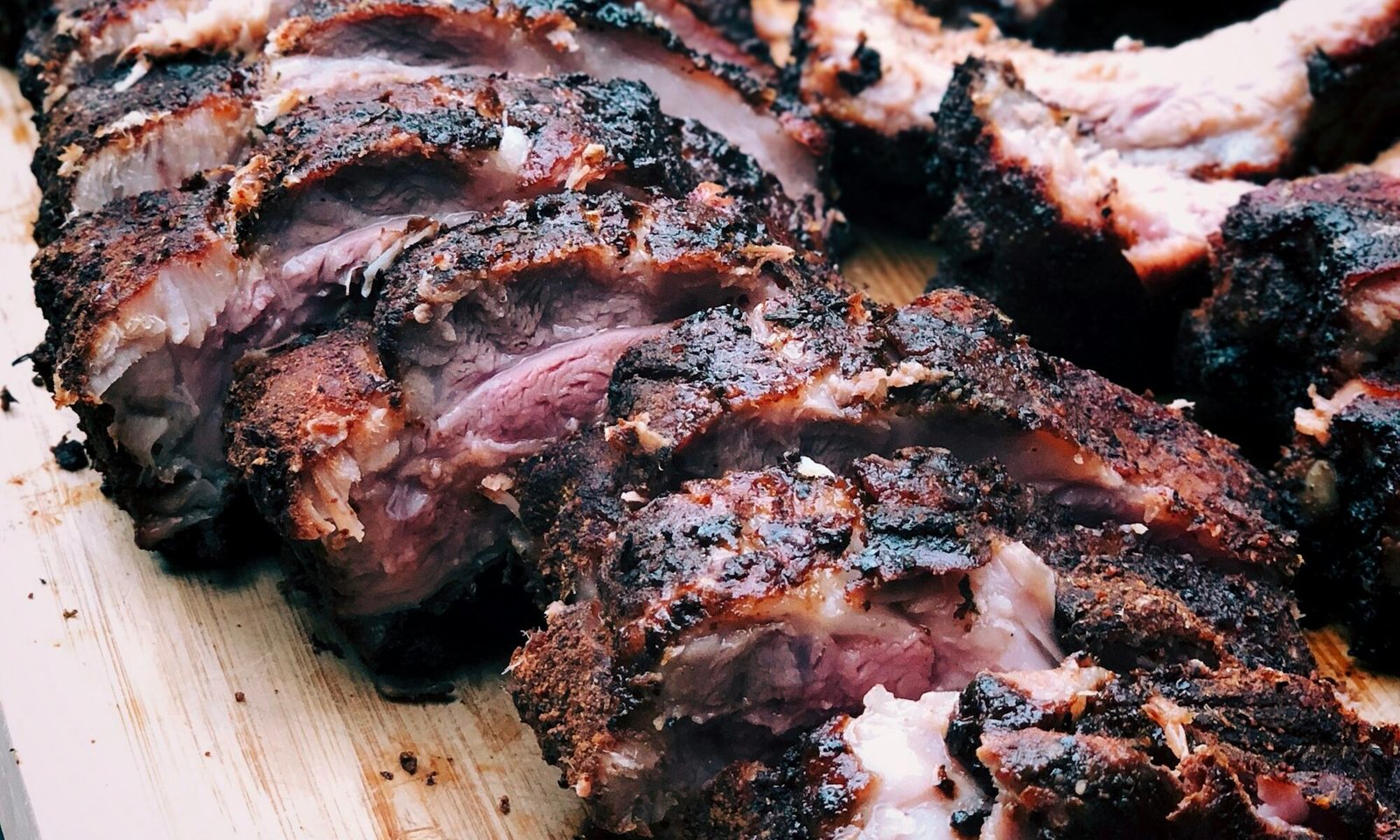
- The method: slow smoking at low temperatures for many hours, sometimes 12 or more for a whole brisket, until the meat is tender and develops a dark, peppery crust called bark.
- The sauce: optional, often thin, and sometimes not offered at all at old-school places. You are expected to taste the meat first.
The style traces back to the German and Czech immigrants who settled Central Texas in the 19th century and opened meat markets. They smoked leftover cuts and sausages to preserve them, sold them on butcher paper, and over time the meat markets became barbecue institutions. That heritage explains why many classic joints still look like old markets: you order at a counter, meat is weighed and served on paper, and sides are simple.
How to order like a local
- Order meat by the pound. Brisket, sausage, ribs, turkey and pork are weighed and wrapped or served on butcher paper. A half pound of meat per person is a good start for a full meal, and a quarter pound is plenty when you are visiting several places in a day.
- Specify your brisket. Ask for lean, from the flat, or moist or fatty, from the point. Moist brisket is richer and the favorite of most regulars. Try both.
- Get a sausage link. Central Texas sausage, often beef or a beef-and-pork blend with a snappy casing, is an essential part of the tradition. Some places make jalapeño-cheese versions.
- Add sides and extras. White bread or saltines, pickles, onions and jalapeños are traditional. Many places also serve potato salad, coleslaw, beans and mac and cheese.
- Eat with your hands. At many old-school places, forks are optional or not offered for the meat.
The best barbecue places cook a set amount each day, and when it’s gone, it’s gone. Popular spots can sell out by early or mid-afternoon, especially of brisket. Arrive close to opening, check social media for sell-out announcements, and note that many places close one or two days a week. Some are open only on certain days.
The towns and the legends
Lockhart: the Barbecue Capital of Texas
About 30 miles south of Austin, Lockhart was officially named the Barbecue Capital of Texas by the state legislature in 1999. Its courthouse square is pretty, but people come for the smokehouses:
- Kreuz Market: founded in 1900 as a meat market, famous for its sausage and its traditional style. Ask for no sauce, because historically there wasn’t any.
- Smitty’s Market: in the original Kreuz building, with blackened walls and open fire pits near the entrance that feel like stepping into barbecue history.
- Black’s Barbecue: run by the same family since 1932, known for its huge beef ribs and family recipes.
- Terry Black’s Barbecue: a newer branch of the Black family tradition, which has expanded to Austin and other Texas cities.
Eating at two or three Lockhart places in one afternoon and comparing them is a classic Texas experience.
Luling
About 15 miles south of Lockhart, Luling’s City Market is a small-town classic, famous for its smoky brisket, sausage and a tangy, mustard-tinged sauce. Order meat in the smoky back room, then grab sides and drinks in the dining room. While in Luling, look for the town’s painted oil pump jacks and its watermelon heritage, celebrated at the annual Watermelon Thump festival.
Taylor
Northeast of Austin, Louie Mueller Barbecue has smoked meat since 1949 in a building with walls darkened by decades of smoke. It is famous for its peppery brisket and giant beef ribs, and it is regularly listed among the best barbecue restaurants in the country.
Lexington
Snow’s BBQ in tiny Lexington became one of the most famous barbecue destinations in America after being named the best barbecue in Texas by Texas Monthly in 2008. It is traditionally open only on Saturday mornings, opening early and closing when the meat runs out. Its longtime pitmaster, Tootsie Tomanetz, became a legend, still tending the pits well into her eighties. Check current days and hours before you go.
Elgin: sausage town
East of Austin, Elgin calls itself the Sausage Capital of Texas. Southside Market & Barbeque, founded in 1882, is one of the oldest barbecue businesses in the state and famous for its “hot guts,” a traditional all-beef sausage.
Austin
Austin has become one of the great barbecue cities in the world, with a new generation of pitmasters building on the old traditions. Franklin Barbecue is the most famous, known for brisket that has drawn lines of people waiting for hours, often starting well before opening. Many other excellent places, from food trucks to full restaurants, offer shorter waits. Ask locals for their current favorites, as the scene changes quickly.
A two-day BBQ road trip
Day 1: Austin to Lockhart and Luling
- Morning: drive about 40 minutes from Austin to Lockhart. Arrive near opening.
- Late morning: share small orders at two Lockhart smokehouses. Walk around the courthouse square between stops.
- Afternoon: drive to Luling for a taste at City Market, or rest and save room.
- Evening: return to Austin for live music. You will not need dinner.
Day 2 (Saturday): Lexington, Taylor and Elgin
- Early morning: drive about an hour to Lexington and get in line at Snow’s on its open day. Barbecue for breakfast is entirely acceptable here.
- Late morning: continue to Taylor for Louie Mueller.
- Afternoon: stop in Elgin for sausage at Southside Market on the way back to Austin.
If you want to spread it out, add a night in a small-town inn and explore the Texas Hill Country, with Fredericksburg, Luckenbach and wineries along the way. Our road trip budget guide helps you plan costs.
Where to stay on a barbecue trip
Austin makes the easiest base, with the widest choice of hotels, live music every night and short drives to every barbecue town on this list. If Austin is expensive during a festival or a big university event, look at San Marcos, New Braunfels or Round Rock, all within easy reach. For a slower pace, book a night at a small-town inn or bed-and-breakfast in Lockhart or the Hill Country. Our hotel savings guide explains how to compare total prices.
Barbecue etiquette and tips
- Share. Ordering a little at several places beats one huge meal.
- Bring cash as a backup, though most places accept cards today.
- Be patient in line. It is part of the experience, and you will meet people from everywhere.
- Taste before you sauce, and don’t be offended if there isn’t any.
- Bring wet wipes and napkins for the car.
- Stay hydrated in summer. Texas heat and smoky pits are a lot.
- Pack a cooler if you want to take leftovers home.
- Plan for a designated driver if you are enjoying beer with your brisket.
A guide to the meats
| Meat | What to expect | Ordering tip |
|---|---|---|
| Brisket | The king: smoky, peppery bark and tender slices | Ask for a mix of lean and moist |
| Beef ribs | Huge, meaty “dinosaur” ribs, rich and expensive | Share one between two or three people |
| Sausage | Snappy links, often beef or beef-pork blends | Try a jalapeño-cheese link if offered |
| Pork ribs | Peppery, slightly chewy, smoky | Order by the bone or by weight |
| Turkey | Surprisingly juicy, lighter option | Great if you are visiting several places |
| Pork shoulder or chops | Some classic markets serve smoked chops | Ask what is special that day |
Beyond barbecue: what else to see
Between meals, Central Texas has plenty to explore. Lockhart’s Caldwell County Courthouse, built in 1894, anchors a handsome square. Nearby Lockhart State Park offers a short nature trail and a historic swimming pool built by the Civilian Conservation Corps. San Marcos and New Braunfels, south of Austin, are known for floating the clear, spring-fed rivers in summer. Gruene, part of New Braunfels, has Gruene Hall, often described as the oldest continually operating dance hall in Texas. And the Hill Country to the west, around Fredericksburg, Johnson City and Dripping Springs, is full of wineries, peach orchards in summer and scenic drives.
Bringing barbecue home
Many smokehouses sell sausage and whole briskets to go, and several ship nationwide. If you are driving, bring a good cooler and ice packs. Wrap brisket tightly in butcher paper and foil, keep it cold, and reheat it gently in a low oven wrapped in foil with a splash of beef broth to keep it moist. Sausage reheats beautifully on a grill or in a skillet.
What does it cost?
Barbecue is priced by the pound. Brisket at well-known places is one of the more expensive meats, while sausage and turkey are usually cheaper. A satisfying meal for one, with half a pound of mixed meats and a couple of sides, often costs somewhere around $25 to $40 at popular spots, and more for beef ribs. Sampling small portions at several places adds up, so set a budget for the day.
When to go
- Spring (March–May): bluebonnets and other wildflowers line Texas roads, making it the most beautiful time for a drive.
- Fall (October–November): pleasant temperatures and football season.
- Summer: hot, often above 95 °F, but barbecue doesn’t stop.
- Winter: mild, uncrowded and a great time for shorter lines.
Frequently asked questions
What is Central Texas barbecue known for?
Brisket smoked over post oak with a simple salt-and-pepper rub, beef sausage and beef ribs, served by the pound on butcher paper.
Why is Lockhart called the Barbecue Capital of Texas?
The Texas Legislature gave Lockhart the title in 1999, recognizing its historic smokehouses, including Kreuz Market, Smitty’s Market and Black’s Barbecue.
What time should I get to Texas barbecue places?
Near opening time. Many popular spots sell out of brisket by early afternoon.
Should I order lean or moist brisket?
Try both. Moist, or fatty, brisket from the point is richer and many people’s favorite. Lean brisket from the flat is firmer and sliced more neatly.
How much barbecue should I order per person?
About half a pound of meat per person for a full meal. If you are visiting several places in one day, order a quarter pound per person at each stop and share sides.
Is Franklin Barbecue worth the wait?
Many people say yes, and the line itself has become a social experience. If you are short on time, excellent barbecue with shorter waits is available across Austin and in the small towns nearby.
What sides go with Texas barbecue?
Traditional sides include white bread or saltines, pickles, onions, jalapeños, potato salad, coleslaw and pinto beans. Many places also offer mac and cheese and banana pudding for dessert.
Is barbecue sauce used in Texas?
Often it is optional, and some traditional places don’t offer it at all. The focus is on the meat, the rub and the smoke.
Eric Gamble
Eric Gamble is the founder of Travon Inc. and editor-in-chief of Travon Blog, based in New Orleans. He plans every guide around the questions travelers actually ask before they book: when to go, what it really costs, how to get around and what is worth skipping. Eric oversees research, fact-checking and the regular updates that keep each guide accurate.