
Where to Stay in Chicago: The Best Neighborhoods for Every Trip
Stay in the Loop and you can walk to the Art Institute; stay in Wicker Park and you’ll eat better for less. Our neighborhood-by-neighborhood guide to Chicago hotels, with the right area for first-timers, families, foodies and budget travelers, plus the taxes and parking costs to budget for.

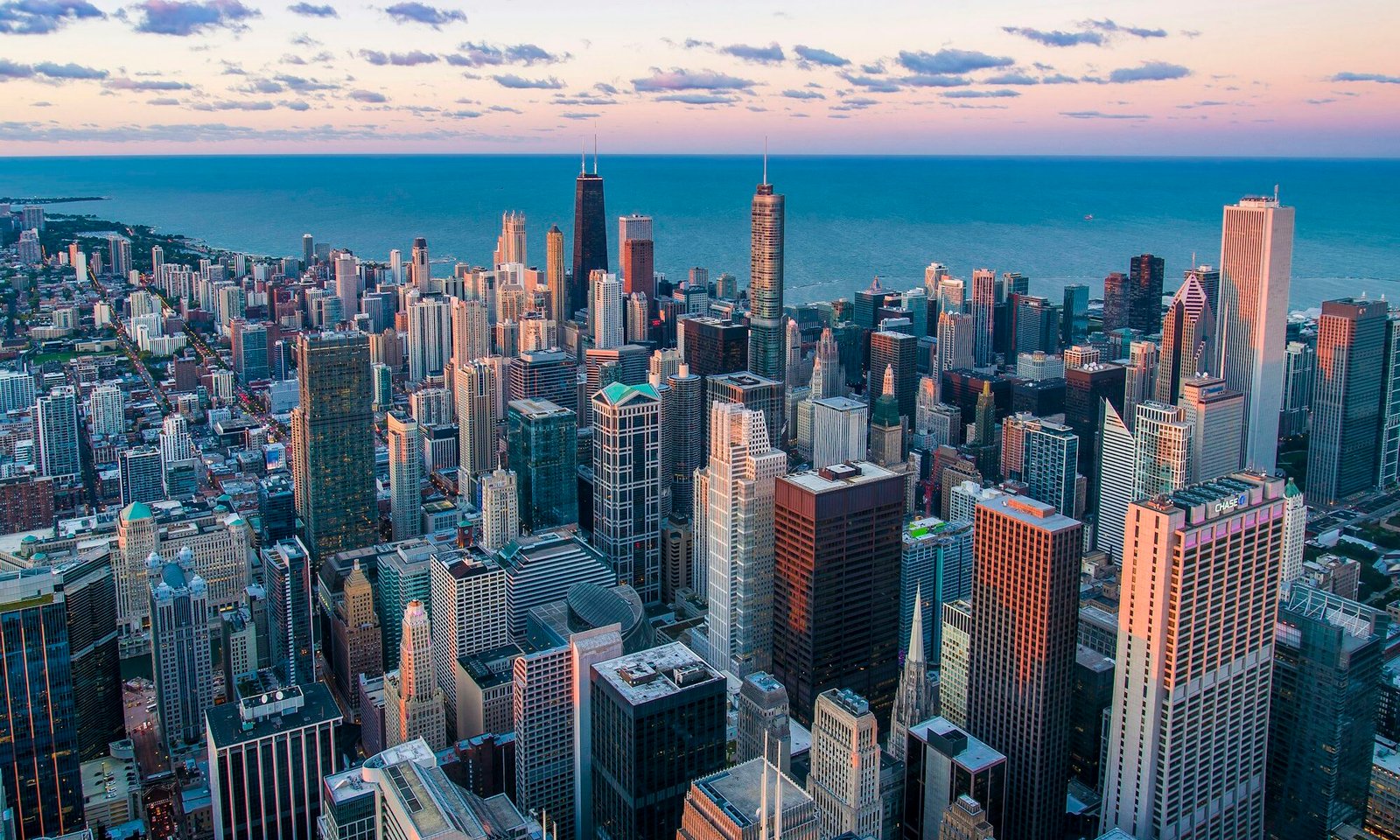
For a first trip to Chicago, stay in the Loop, River North or along the Magnificent Mile, where you can walk to Millennium Park, the Art Institute, the river architecture cruises and the lakefront. Choose the West Loop for restaurants, Lincoln Park or Lakeview for a neighborhood feel near the zoo and lake, Wicker Park for bars and independent shops, and the South Loop for the Museum Campus and convention center. Budget for Chicago’s hotel tax of about 17.5 percent, nightly fees at many downtown hotels and parking that often costs $50 or more a night.
Chicago is a city of neighborhoods, 77 official community areas and many more informal ones, each with its own character. Downtown, skyscrapers line the Chicago River and Lake Michigan, and most of the big sights sit within a mile or two of each other. A few train stops away, the city changes into tree-lined streets of brick two-flats and greystones, corner taverns, taquerias and local shops. Where you stay shapes your trip as much as what you see.
Chicago’s public transit makes it easy to stay outside downtown and still reach the main sights quickly. The L trains run 24 hours on the Red and Blue lines, and buses cover the lakefront and major streets. If you’re planning on a budget, read our Chicago on a budget guide, and for what to do once you arrive, our Chicago weekend itinerary.
- 77Official community areas in Chicago
- ≈17.5%Combined hotel tax rate
- $50–$80Typical nightly downtown parking
- 24 hoursRed and Blue Line train service
Chicago neighborhoods compared
| Neighborhood | Best for | Price level | Transit |
|---|---|---|---|
| The Loop | First-timers, museums, theater | Mid to high | Every L line |
| River North | Restaurants, nightlife, galleries | Mid to high | Red, Brown, Purple lines |
| Magnificent Mile and Streeterville | Shopping, Navy Pier, luxury | High | Red Line, buses |
| Gold Coast | Elegant, quiet, near the beach | High | Red Line, buses |
| West Loop and Fulton Market | Food lovers, trendy hotels | Mid to high | Green and Pink lines |
| South Loop | Museum Campus, conventions, value | Low to mid | Red, Green, Orange lines |
| Lincoln Park | Families, zoo, lakefront | Mid | Red, Brown lines |
| Lakeview and Wrigleyville | Baseball fans, nightlife | Low to mid | Red, Brown lines |
| Wicker Park and Bucktown | Bars, boutiques, local vibe | Low to mid | Blue Line |
The Loop: central and convenient
The Loop is Chicago’s downtown, named for the elevated train tracks that circle it. It is home to Millennium Park, the Art Institute of Chicago, the Willis Tower and its Skydeck, the Theatre District along State and Randolph streets, and the starting point for river architecture cruises. Every L line passes through, so you can reach anywhere in the city easily, and the Blue Line goes directly to O’Hare while the Orange Line goes to Midway.
Hotels range from grand historic properties like the Palmer House, which first opened in 1871 and has an ornate painted lobby ceiling, to modern towers and converted landmark buildings, such as the Chicago Athletic Association, a former private men’s club on Michigan Avenue with a popular rooftop bar. The Loop also has one of the country’s largest hostels, making it a good choice for budget travelers too.
The Loop is busy on weekdays with office workers but quieter at night and on weekends, especially in the western part. Weekend hotel rates are often cheaper than weekday rates because business travelers leave.
Best for: first-timers, theatergoers, museum visitors and anyone who wants to walk to the major sights.
River North: restaurants and nightlife
Just north of the Chicago River, River North is packed with restaurants, bars, nightclubs and art galleries. Many of the city’s most popular steakhouses, pizza places and rooftop bars are here. It is within walking distance of the Riverwalk, the Magnificent Mile and the Loop.
Hotels include stylish boutique properties, big chains and some luxury towers along the river. The Langham, in a tower designed by Ludwig Mies van der Rohe, is one of the city’s top luxury hotels. River North can be noisy on weekend nights, so ask for a high floor.
Best for: couples, foodies and travelers who want to be in the middle of the nightlife.
Magnificent Mile and Streeterville
The Magnificent Mile, a stretch of Michigan Avenue between the river and Oak Street, is Chicago’s main shopping street, with department stores, flagship brands and malls. The historic Water Tower, one of the few buildings to survive the Great Chicago Fire of 1871, stands in the middle. East of Michigan Avenue, Streeterville runs to the lake and Navy Pier, with its Ferris wheel and boat tours, and is home to the Museum of Contemporary Art and Northwestern’s medical campus.
Hotels here are generally high-end and convenient, with many large chain properties and luxury towers with lake views. It is a good choice for families, since it is close to Navy Pier, the beaches and the lakefront path.
Best for: shoppers, families and travelers who want lake views.
Gold Coast: elegant and quiet
North of the Magnificent Mile, the Gold Coast is one of Chicago’s wealthiest neighborhoods, with tree-lined streets of mansions and townhouses, upscale shops on Oak Street and the beach at Oak Street Beach, right across Lake Shore Drive. The Drake Hotel, opened in 1920, is a classic, with a famous afternoon tea. Many hotels here have a quieter, more residential feel while still being close to downtown.
Best for: luxury travelers, couples and anyone who wants a quieter base near the lake.
West Loop and Fulton Market: for food lovers
Once a district of meatpacking plants and warehouses, the West Loop and Fulton Market area has become the city’s top dining neighborhood. Randolph Street’s Restaurant Row is lined with acclaimed restaurants, and the area has trendy hotels, rooftop bars, coffee shops and the headquarters of several tech and food companies. It is a short walk or train ride from the Loop and close to the United Center for Bulls and Blackhawks games.
Hotels include design-focused properties like the Hoxton and the Nobu Hotel. Prices can be high, especially on weekends.
Best for: foodies, younger travelers and repeat visitors. Our best food cities guide explains why Chicago ranks so high.
South Loop: museums and value
The South Loop sits just south of downtown, near Grant Park, the Museum Campus with the Field Museum, Shedd Aquarium and Adler Planetarium, Soldier Field and McCormick Place, the largest convention center in North America. Chinatown is a short walk or train ride away.
Hotels here are often cheaper than in River North or the Magnificent Mile, especially on weekends without big conventions. Large hotels on Michigan Avenue face Grant Park and the lake. During big conventions at McCormick Place, though, prices soar and rooms sell out across the city.
Best for: families focused on museums, budget travelers and convention-goers.
Lincoln Park: neighborhood charm
Lincoln Park, both a neighborhood and the city’s largest park, is about 15 minutes north of downtown. It has the free Lincoln Park Zoo and conservatory, the lakefront path, beaches, DePaul University and streets of Victorian homes, shops and restaurants. It has fewer hotels than downtown, but options include boutique hotels and bed-and-breakfasts. The Red and Brown lines and lakefront buses connect it quickly to downtown.
Best for: families, return visitors and anyone who wants a residential feel with easy downtown access.
Lakeview and Wrigleyville
Farther north, Lakeview includes Wrigleyville, home of Wrigley Field, where the Cubs have played since 1916. On game days, the neighborhood is packed with fans and bars. Lakeview also includes Northalsted, one of the oldest and best-known LGBTQ+ neighborhoods in the country, with nightlife, theaters and the annual Pride Parade. Hotels are limited but often cheaper than downtown, and there are many vacation rentals.
Best for: baseball fans, nightlife and budget travelers.
Wicker Park and Bucktown
About 10 minutes northwest of downtown on the Blue Line, Wicker Park and Bucktown are lively neighborhoods with independent boutiques, vintage shops, record stores, music venues, cocktail bars and excellent restaurants. The 606, an elevated trail on a former railway line, runs through both neighborhoods. Hotels include a few boutique properties, such as the Robey in an Art Deco tower at the main intersection, plus many vacation rentals.
Best for: younger travelers, repeat visitors and anyone who wants to see local Chicago.
Other options
Hyde Park, on the South Side, is home to the University of Chicago, the Museum of Science and Industry, Frank Lloyd Wright’s Robie House and the Obama Presidential Center. It has a few hotels and is a good base for those sights, though it is a longer ride downtown. Near O’Hare, the suburb of Rosemont has many airport hotels and is connected to downtown by the Blue Line; it is useful for early flights but not for sightseeing. Evanston, just north of the city, has a lakefront university-town feel and a few hotels.
What hotels cost
| Type | Typical nightly rate | Where | Notes |
|---|---|---|---|
| Hostel bed or private room | $40–$140 | Loop, River North | Good locations and social atmosphere |
| Mid-range chain hotel | $150–$280 | South Loop, Loop, near the river | Cheaper on weekends and in winter |
| Boutique hotel | $200–$400 | West Loop, Wicker Park, River North | Rooftop bars and design-focused rooms |
| Luxury hotel | $400–$900+ | Gold Coast, Magnificent Mile, riverfront | Lake views and top service |
Add hotel taxes of about 17.5 percent, plus any destination or amenity fees, which can be $20 to $35 a night at some downtown properties. Hotel parking downtown can cost $50 to $80 a night, so skip the car if you can. Our guide to finding cheap hotels explains how to compare total prices and when to book.
When rates are highest
Chicago hotel prices peak in summer, from June through August, during big events like Lollapalooza in Grant Park in early August and the Chicago Marathon in October, and during major conventions at McCormick Place, which can fill hotels citywide. Prices are lowest from January to March, when the weather is harsh. Weekends are often cheaper downtown than weekdays, outside summer.
Short-term rentals
Chicago has rules for short-term rentals, including registration requirements and limits in some buildings and areas. Book through established platforms, check that the listing has a city registration number and read reviews carefully. Rentals in neighborhoods like Lakeview, Wicker Park and Logan Square can be good value for families and groups. Our Airbnb vs hotel guide compares the true costs, and our vacation rental scams guide explains warning signs.
Safety tips by area
The neighborhoods most visitors stay in, including the Loop, River North, the Magnificent Mile, the Gold Coast, Lincoln Park, Lakeview and Wicker Park, are generally safe, especially in busy areas. As in any big city, stay aware at night, keep your phone out of sight on trains and avoid empty train cars late at night. The Loop’s western and southern edges can feel deserted late at night, so take a rideshare if you’re walking a long way.
Common mistakes
Comparing room prices without taxes and fees. Chicago’s taxes add significantly to the final bill.
Driving into the city. Parking costs can rival a cheap hotel room.
Booking during a convention by accident. Check McCormick Place’s calendar first.
Staying near O’Hare to save money. The commute eats up your time and transit fare.
Frequently asked questions
What is the best area to stay in Chicago for first-timers?
The Loop, River North or the Magnificent Mile, all within walking distance of the main sights.
Where should families stay in Chicago?
Streeterville near Navy Pier, the South Loop near the Museum Campus or Lincoln Park near the zoo.
What is the cheapest area to stay in Chicago?
The South Loop and neighborhoods like Lakeview usually offer lower prices, and hostels in the Loop are the cheapest beds downtown.
Is it better to stay downtown or in a neighborhood?
Downtown is best for a short first visit. Neighborhoods like Lincoln Park and Wicker Park are better for longer stays or repeat visits.
Do you need a car in Chicago?
No. Trains and buses reach both airports and most neighborhoods, and parking is expensive.
Book your stay
- Choose your neighborhood based on what you plan to do most.
- Check the convention and event calendar for your dates.
- Compare total nightly prices, including taxes and fees.
- Pick a hotel within a few blocks of an L station.
- Skip the rental car and plan to take the train from the airport.
Eric Gamble
Eric Gamble is the founder of Travon Inc. and editor-in-chief of Travon Blog, based in New Orleans. He plans every guide around the questions travelers actually ask before they book: when to go, what it really costs, how to get around and what is worth skipping. Eric oversees research, fact-checking and the regular updates that keep each guide accurate.