Grand Teton National Park Guide: Best Views, Hikes and a 2-Day Plan
No foothills, no timed entry and the best sunrise barn in America. Our two-day Grand Teton plan, the hikes that are worth the climb, and how to pair it with Yellowstone.
Spend two days in Grand Teton National Park. On day one, watch sunrise at Mormon Row or Schwabacher Landing, take the boat across Jenny Lake and hike to Inspiration Point and into Cascade Canyon, then drive Signal Mountain Road for sunset. On day two, paddle String Lake in the morning and look for moose and bison along Moose-Wilson Road and Antelope Flats. Go between June and September. No timed entry is needed.
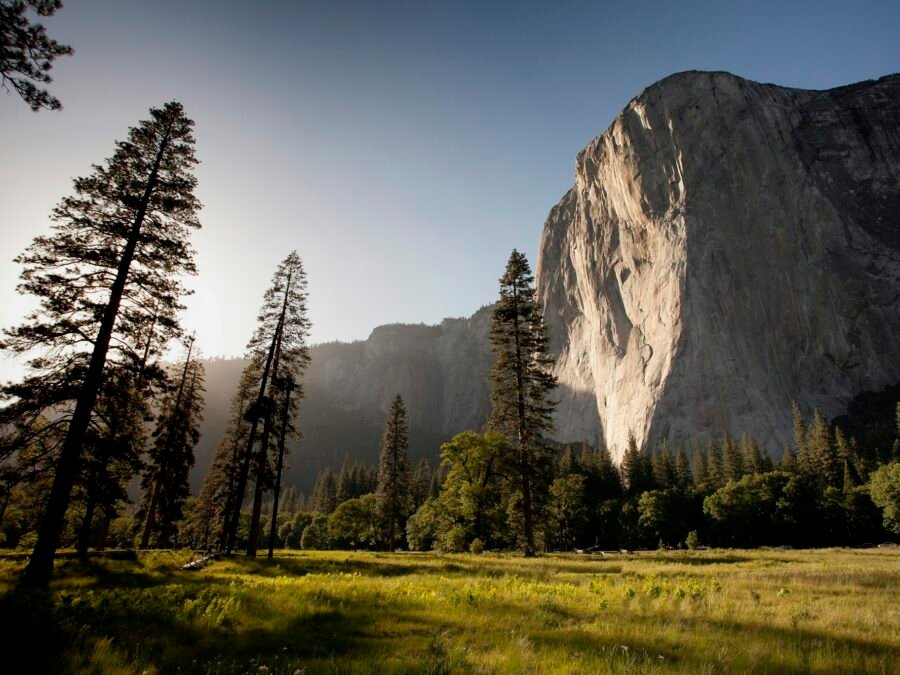
The Teton Range is young, steep and strange. The peaks rise about 7,000 feet straight up from the valley floor with no foothills in front of them. The Grand Teton itself reaches 13,775 feet. From the valley it looks like a wall of jagged teeth. That lack of foreground is exactly why the park feels so easy and so overwhelming at the same time. You don’t need to hike to get the view. It is there from the car, the campground and the hotel bar.
- 2 daysEnough for the highlights
- 13,775 ftSummit of the Grand Teton
- $35Vehicle entry, valid 7 days
- 10 miTo Yellowstone’s South Entrance
Why Grand Teton beats its famous neighbor for some people
We will say it. For a lot of travelers, Grand Teton is the better park. Yellowstone is weirder and bigger, but it also takes four days, two lodging bases and constant driving. Grand Teton is compact. The main loop is about 42 miles. You can see the main viewpoints in a day, hike a world-class trail in a morning and be back in Jackson for dinner.
It also has a different kind of beauty. Yellowstone is a volcanic plateau; the scenery mostly sits at your feet. The Tetons are vertical. Lakes reflect the peaks at dawn. Moose stand in willow flats with a 13,000-foot wall behind them. If you have only three days total in the area, many people would be happier with two days here and one in Yellowstone’s geyser basins than the other way round.
That said, do both if you can. They connect directly through the John D. Rockefeller Jr. Memorial Parkway. Our Yellowstone itinerary covers the north half of the trip.
The viewpoints, in the order to see them
| Spot | Best time | Walk | Why go |
|---|---|---|---|
| Mormon Row barns | Sunrise | Roadside | The famous barn with the range behind |
| Schwabacher Landing | Sunrise | Short flat path | Peaks reflected in beaver ponds |
| Oxbow Bend | Sunrise or evening | Roadside | Mount Moran over the Snake River, moose |
| Snake River Overlook | Late afternoon | Roadside | Where Ansel Adams took his 1942 photo |
| Signal Mountain Summit | Sunset | Drive up | Panorama over Jackson Hole and the lake |
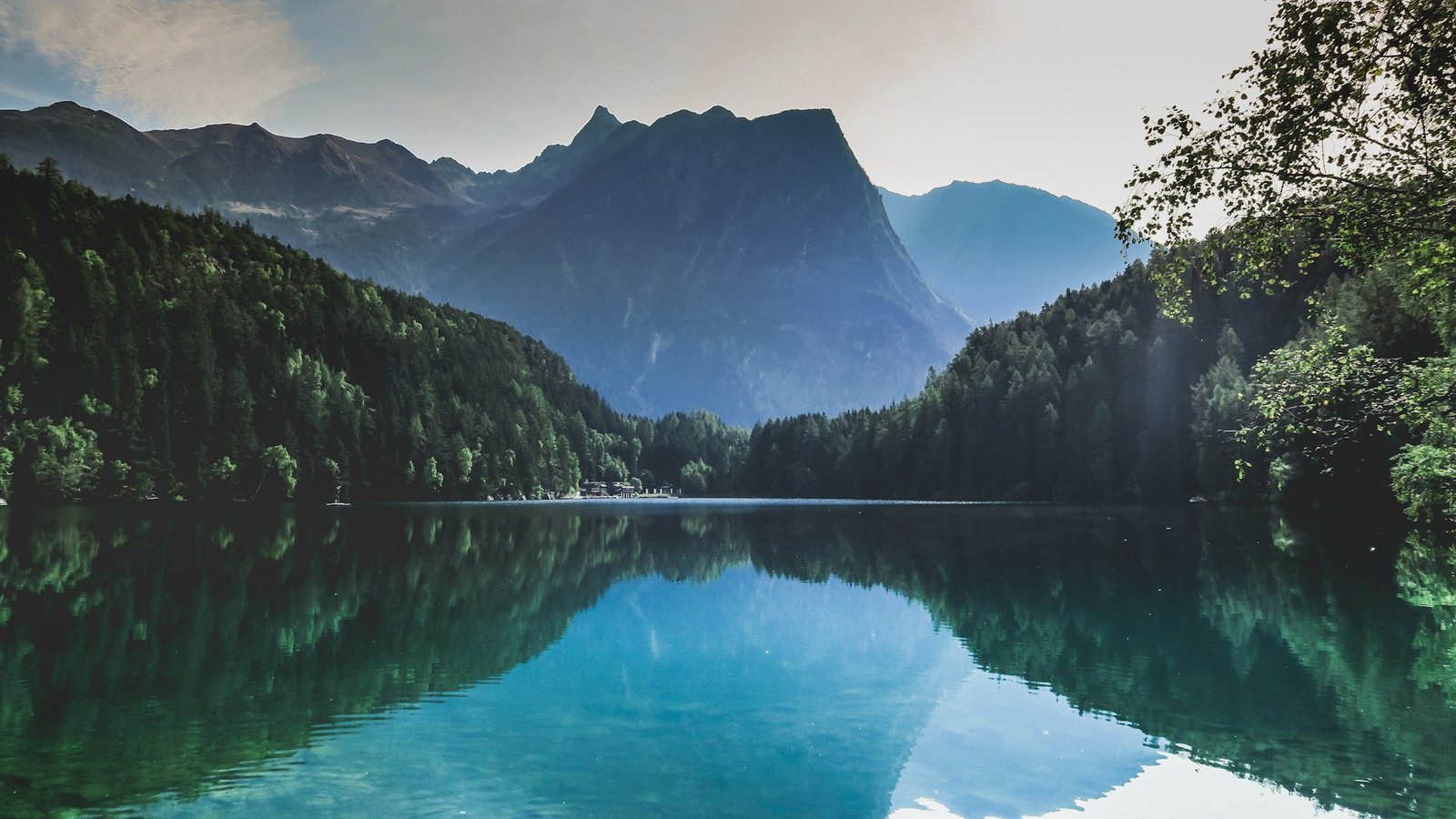
| Jenny Lake Overlook | Midday | Short walk | Turquoise lake against the peaks |
A sunrise tip that saves frustration: the peaks face east, so they catch the first light while the valley is still dark. Mountain glow lasts only a few minutes. Get to your spot 30 minutes before sunrise and stay put. At Mormon Row in summer, expect a line of tripods. Walk to the second barn, the one fewer people notice, for a quieter frame.
Jenny Lake and Cascade Canyon: the hike to do
If you do one hike in Grand Teton, make it this one. From the Jenny Lake Visitor Center, take the shuttle boat across the lake. Boats run frequently in summer for a fee and cut about two miles each way off the hike. Then climb about half a mile to Hidden Falls, a 100-foot cascade in the trees, and continue up to Inspiration Point, a rocky ledge with views back across the lake and the valley.
Most people turn around at Inspiration Point. Keep going. Beyond it, the trail flattens into Cascade Canyon, a glacier-carved valley with a creek running down the middle and peaks rising on both sides. The first two miles in are gentle. This is where the crowds vanish and the moose show up. On a summer morning you might share the canyon with a dozen people instead of hundreds.
Distances depend on how far you go. Boat dock to Inspiration Point and back is about 2 miles with 600 feet of climbing. Going a few miles into Cascade Canyon and back makes a 7- to 9-mile day. Walking around the lake instead of taking the boat adds about four miles round trip.
Start early. The boat lines get long by 10 a.m., and the Jenny Lake parking lot fills not long after. Carry bear spray. Black bears and grizzlies both live in this canyon, and moose are more dangerous than most people realize.
Other hikes worth your time
Taggart Lake is about 3 miles round trip and a perfect warm-up, with an alpine lake at the base of the Grand. String Lake and Leigh Lake make a flat, easy shoreline walk, great for kids. Delta Lake is the famous turquoise glacial lake that shows up on social media. It is not an official maintained trail for the final stretch, it is steep, and people get lost. Only attempt it with route-finding experience. Lake Solitude, deep in Cascade Canyon’s north fork, is a long 14-to-16-mile day for strong hikers and one of the best day hikes in the Rockies.
Wildlife: where and when
Grand Teton is one of the easiest places in the lower 48 to see moose. Look in willow flats along creeks and rivers at dawn and dusk. Moose-Wilson Road, between the Moose entrance and Teton Village, is the most reliable stretch; it is narrow, partly unpaved and sometimes closed to traffic when bears are feeding nearby. Oxbow Bend often has moose, otters and pelicans.
Bison graze on Antelope Flats near Mormon Row. Pronghorn run across the sagebrush. Grizzlies, including some well-known bears, sometimes feed right beside the road near Pilgrim Creek and the northern part of the park, drawing big crowds. Stay at least 100 yards from bears and wolves and 25 yards from everything else, and follow ranger directions at a bear jam.
A two-day plan
Day one. Sunrise at Mormon Row. Breakfast in the town of Moose or at a picnic table. Drive to Jenny Lake by 8 a.m., catch an early boat and hike to Inspiration Point and into Cascade Canyon. Picnic by the creek. Return by boat in the early afternoon. Drive Teton Park Road north, stop at the Jenny Lake Overlook and Mount Moran turnouts, then head up Signal Mountain Road for sunset. Dinner at a lodge in the park or back in Jackson.
Day two. Sunrise at Schwabacher Landing or Oxbow Bend. Rent a canoe or kayak at String Lake and paddle in the calm morning water, or take a scenic float on the Snake River with an outfitter. After lunch, drive Moose-Wilson Road slowly, looking for moose, and stop at the Laurance S. Rockefeller Preserve for a quiet walk to Phelps Lake. End the day at the Snake River Overlook in the evening light.
With a third day, head north to Colter Bay for a lake hike and continue into Yellowstone, or ride the aerial tram at Jackson Hole Mountain Resort to more than 10,000 feet.
When to go
Summer, June through August, brings warm days, open trails and wildflowers in July. It is also busiest. September is our favorite: cool mornings, golden aspens late in the month, bugling elk and much thinner crowds. Many services close by mid-October. Winter is long, cold and gorgeous; Teton Park Road closes to cars and becomes a cross-country ski and snowshoe route. Spring is muddy and unpredictable, with snow on high trails into July.
Where to stay
Inside the park, Jackson Lake Lodge has huge picture windows facing Mount Moran. Jenny Lake Lodge is a pricey, all-inclusive classic. Signal Mountain Lodge and Colter Bay Village are more relaxed, with cabins. Campgrounds at Jenny Lake, Signal Mountain, Colter Bay and Gros Ventre take reservations and fill fast; Jenny Lake’s campground is small and books out the moment dates open.
Jackson, about 15 minutes from the south end of the park, is the main base, with everything from motels to luxury lodges. It is also expensive in summer. Driggs and Victor, over Teton Pass in Idaho, are cheaper and see the range from its quieter west side. Our national park lodges guide includes the best in-park stays.
Getting there and getting around
Jackson Hole Airport sits inside the park, the only commercial airport in a national park. Flights are convenient and often pricey. Idaho Falls is about two hours away and Salt Lake City about five, both with cheaper flights. A rental car is essential; there is no general park shuttle. Gas is available in Jackson, Moose, Signal Mountain and Colter Bay in season.
What it costs
Entry is $35 per private vehicle for seven days, or covered by the annual pass. Non-US residents should check for the additional per-person fee introduced for 2026 at several popular parks, including Grand Teton. The Jenny Lake shuttle boat costs extra, roughly $20 round trip for adults. Lodging in summer runs from about $150 for a cabin to $500 or more for the top lodges. Jackson restaurants are resort-town priced. A cooler and picnic lunches go a long way here.
Safety: bears, moose and weather
Carry bear spray on every trail and keep it on your hip, not in your pack. Make noise on blind corners. Give moose a wide berth; they look calm until they are not, and they injure more people in some parts of the West than bears do. Afternoon thunderstorms are common in July and August, and lightning on an exposed ridge is a real threat. Start hikes early and be off high points by early afternoon. Our ten essentials guide covers what to carry.
Paddling and floating
Some of the best views in the park come from the water. String Lake is shallow, calm and sheltered, the ideal place for a first paddle; you can rent canoes and kayaks nearby or bring your own. From its north end, a short portage takes you into Leigh Lake, where the peaks rise right off the shore. Jackson Lake is huge and gets windy and choppy in the afternoon. Paddle it in the morning only, and stay close to shore.
On the Snake River, licensed outfitters run gentle scenic floats through the park, usually about 10 miles long. There are no big rapids, but the river is cold and fast, with logjams and braided channels. Unless you have real moving-water experience, go with a guide. Floats at dawn or dusk are the best time to see bald eagles, beavers and moose along the banks.
All boats, including paddleboards, need a park boating permit and an aquatic invasive species inspection before they touch the water. Rentals from park concessioners handle this for you.
Common mistakes
Skipping sunrise. The mountain glow on the peaks lasts a few minutes and makes the trip. Set the alarm at least once.
Treating Jackson as part of the park. The town is fun but busy and expensive. Spend your daylight hours inside the park and go into town for dinner.
Ignoring the weather. A blue morning can become a lightning storm by 2 p.m. in summer. Plan exposed hikes for the morning.
Getting too close to moose. They look slow and friendly. They are neither. Stay at least 25 yards away, and much farther with a calf.
Frequently asked questions
Do you need a reservation for Grand Teton National Park?
No timed-entry reservation is required. Lodging and campgrounds should be reserved well in advance.
How many days do you need in Grand Teton?
Two days is enough for the main viewpoints and one great hike. Add a day for longer hikes or paddling.
Is Grand Teton or Yellowstone better?
Yellowstone has geysers and more wildlife; Grand Teton has the bigger mountain views and is easier to see quickly. Visit both if you can.
Where is the famous barn in Grand Teton?
The Moulton barns stand on Mormon Row, off Antelope Flats Road near the park’s southeast side.
Your next moves
- Book lodging in the park or Jackson for two nights, as early as you can.
- Check sunrise times and pick two sunrise spots from the table above.
- Buy or rent bear spray in Jackson. You can’t fly with it.
- Add Yellowstone to the trip if you have three or more days.
Eric Gamble
Eric Gamble is the founder of Travon Inc. and editor-in-chief of Travon Blog, based in New Orleans. He plans every guide around the questions travelers actually ask before they book: when to go, what it really costs, how to get around and what is worth skipping. Eric oversees research, fact-checking and the regular updates that keep each guide accurate.