Joshua Tree National Park Guide: Best Hikes, Camping and Stargazing
Two deserts, giant boulders and some of the darkest skies near a major city. When to go, which trails are worth the heat, where to camp and how to see Joshua Tree in one or two days.
Visit Joshua Tree National Park between October and April, give it one full day or two, and stay in the town of Joshua Tree or Twentynine Palms or camp inside the park. Enter through the West Entrance, scramble around Hidden Valley and Skull Rock, hike Ryan Mountain for the big view, drive south to the Cholla Cactus Garden at sunset, and stay for the stars. Avoid summer midday hikes. Temperatures pass 100°F and people get into serious trouble every year.
Joshua Tree sits where two deserts meet. The higher, cooler Mojave in the west is where the twisted Joshua trees grow, scattered among piles of golden granite boulders. The lower, hotter Colorado Desert in the east is open creosote country with ocotillo and cholla. The park is about two hours from Los Angeles and 45 minutes from Palm Springs, which makes it one of the easiest desert parks to visit. It also makes weekends busy.
- Oct–AprThe comfortable season
- $30Vehicle entry, valid 7 days
- 1–2 daysEnough for most visitors
- 0Water sources in the park. Bring your own
The trees themselves
Joshua trees are not really trees. They are a type of yucca, related to agave, and they grow only in the Mojave Desert. Their spiky arms branch after they flower, which is why every tree looks different. Mormon settlers are often credited with the name, after the biblical Joshua raising his arms in prayer, though historians debate the story.
They grow slowly and can live for well over a century. Climate change and wildfire threaten them, and the 2020 Dome Fire in the nearby Mojave National Preserve burned more than a million trees. In the park, treat them with care. Don’t climb them, hang hammocks from them or lean on them for photos. Their roots are shallow and their branches break easily.
When to go, and why summer is the trap
This is the single most important thing on this page. From June to September, daytime highs in Joshua Tree regularly pass 100°F, and the lower eastern half of the park gets hotter still. Rangers deal with heat illness and rescues every summer, many of them visitors who started a “short” hike at noon with one bottle of water.
The good months are October through April. Spring is the prettiest, with wildflowers in a wet year from about February to April and Joshua trees blooming with cream-colored flowers in some years. It is also the busiest, especially on weekends and holidays. Fall brings warm days and cool nights. Winter is crisp and quiet, with nights that can drop below freezing and the occasional dusting of snow on the boulders.
If you must come in summer, explore in the first three hours after sunrise and after sunset, and spend the middle of the day in an air-conditioned café in town.
Getting in and around
The park has three entrances. The West Entrance, near the town of Joshua Tree, is the busiest and closest to the famous scenery. The North Entrance, at Twentynine Palms, is quieter and next to the Oasis Visitor Center. The South Entrance, at Cottonwood, connects to Interstate 10 and makes sense if you are coming from Palm Springs or heading east.
A good loop drives in through the west, explores the boulder country, then exits through the south to see the Cholla Cactus Garden and the Colorado Desert. The full drive from West Entrance to Cottonwood is about 60 miles. There is no gas, food or water inside the park. Fill up and stock up in town.
On busy weekends, the line at the West Entrance can run more than an hour by late morning. Arrive before 8 a.m., or use the North Entrance.
The best short hikes
| Trail | Round trip | Difficulty | Why go |
|---|---|---|---|
| Hidden Valley | 1 mi loop | Easy | A boulder-ringed valley once said to hide cattle rustlers |
| Barker Dam | 1.1 mi loop | Easy | A small reservoir and petroglyphs nearby |
| Skull Rock loop | 1.7 mi loop | Easy | The famous rock and lots of scrambling |
| Arch Rock | About 1.4 mi round trip | Easy | A natural granite arch near White Tank |
| Ryan Mountain | 3 mi round trip | Moderate to hard | Best panoramic view in the park |
| Lost Palms Oasis | 7.2 mi round trip | Moderate | A remote fan palm oasis in the south |
Ryan Mountain is our must-do. It is a steady 1,000-foot climb on rock steps, with no shade. From the summit, at 5,457 feet, you look down across Lost Horse Valley and seemingly endless boulder piles. Go at sunrise or late afternoon. Allow two hours.
For a quieter hike with a reward, the 49 Palms Oasis trail near Twentynine Palms is about 3 miles round trip over a ridge to a palm grove in a rocky canyon. Few people know it.
Scrambling and climbing
Joshua Tree is one of the world’s great rock climbing destinations, with thousands of routes on its rough monzogranite. Even if you never touch a rope, you will spend half your day climbing on boulders. Kids love it. Adults do too.
A word of caution. The rock is grippy but steep, and getting down is always harder than going up. Every year visitors break ankles and worse on short scrambles. If you can’t see how you will get down, don’t go up. For real climbing, hire a local guide service for a day. They will teach you safely and take you to great spots.
The Cholla Cactus Garden at sunset
About 20 miles south of the boulder country, a flat stretch of the desert is packed with thousands of teddybear cholla. In low evening light, their spines glow silver and gold. A short loop trail winds through them. Stay on it. Cholla segments break off at a touch and attach themselves to shoes, legs and dogs with tiny barbed spines. Visitors call it “jumping cholla” for a reason. Carry a comb or tweezers to flick them off.
Stargazing
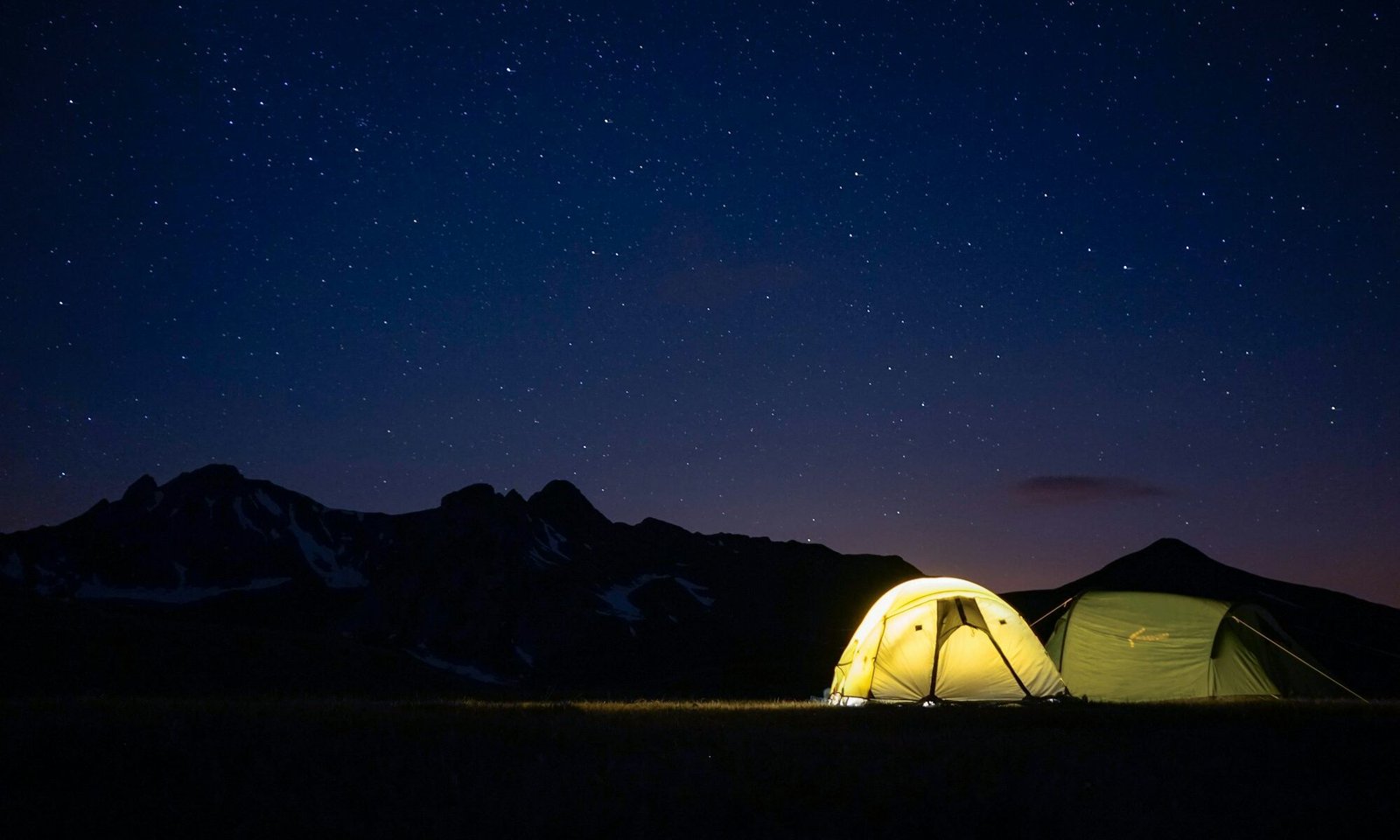
Joshua Tree is an International Dark Sky Park, and on a moonless night the Milky Way stretches overhead from horizon to horizon. It is one of the best stargazing spots within easy reach of Southern California. The darkest skies are in the eastern half of the park, away from the glow of the Coachella Valley and the towns along Highway 62. Cottonwood and the pullouts along Pinto Basin Road are excellent.
Go within a few days of a new moon. Bring a red flashlight, a warm jacket and something to sit on. Give your eyes 20 minutes to adjust. The park and local groups host night sky programs; check the park calendar. Our stargazing guide lists other great parks.
Camping in the park
Camping inside the park is the best way to experience Joshua Tree, because you wake up in the boulders and the stars are right outside your tent. The park has several campgrounds. Jumbo Rocks, Indian Cove, Black Rock, Cottonwood and Ryan take reservations in the busy season through recreation.gov, and they fill months ahead for spring weekends. Some smaller campgrounds have been first-come, first-served. None have showers, and only a few have water. Bring all the water you need.
Can’t get a site? Bureau of Land Management land just north and south of the park allows free dispersed camping in some areas, with no facilities. And the nearby towns have campgrounds, motels and many vacation rentals.
New to camping? Our camping for beginners guide and campsite booking tips will help.
A one-day itinerary
Morning. Enter the West Entrance by 8 a.m. Walk the Hidden Valley loop, then Barker Dam. Stop at Keys View, at about 5,185 feet, for views over the Coachella Valley to the San Andreas Fault and Mount San Jacinto on clear days.
Midday. Picnic near Jumbo Rocks. Walk the Skull Rock loop and scramble around the boulders.
Afternoon. Hike Ryan Mountain as temperatures begin to drop, or Arch Rock if you want something easy.
Sunset. Drive south to the Cholla Cactus Garden. Stay in the area for stars, then exit through the South Entrance or drive back.
With two days
Add the quieter north and south. Hike to 49 Palms Oasis in the morning, explore the Oasis Visitor Center in Twentynine Palms, then drive to Cottonwood for the Lost Palms Oasis trail. Book a guided tour of Keys Ranch, a historic homestead preserved inside the park; tours run seasonally and fill up. In the evening, eat in Pioneertown, a 1940s movie set turned town, where Pappy & Harriet’s has served food and live music for decades.
Where to stay
The town of Joshua Tree has quirky motels, cafés and many rentals, and it is closest to the West Entrance. Yucca Valley, a few miles west, has more chains and groceries. Twentynine Palms is cheaper and near the North Entrance. Palm Springs is about an hour away and makes sense if you want a pool and nightlife. Many visitors book desert rentals with hot tubs and stargazing decks. Read our Airbnb vs hotel guide for the pros and cons.
What it costs
Entry is $30 per vehicle for seven days, or covered by the annual pass. Campsites cost about $15 to $25 a night. Motels in Twentynine Palms run from about $90 a night, and design-forward rentals in Joshua Tree range widely, often $150 to $400. Food and gas are cheaper in Yucca Valley than in the smaller towns.
Safety in the desert
- Carry at least one gallon of water per person per day, more in heat.
- Tell someone your plan. Cell service is spotty or absent in much of the park.
- Don’t rely on GPS shortcuts. Some apps route drivers onto rough dirt roads.
- Watch for rattlesnakes in warm weather, especially around rocks.
- Stay out of old mine shafts and off unstable structures.
- Pack the ten hiking essentials for any trail.
Common mistakes
Coming in July and hiking at noon. Don’t. Heat in the desert is a real danger.
Leaving before dark. The stars are half the reason to come.
Touching the cholla. You will regret it within seconds.
Assuming you can buy water inside the park. You can’t.
Photography tips
Joshua Tree rewards anyone with a camera and an alarm clock. The granite turns warm gold in the first hour after sunrise and glows pink at sunset, while the Joshua trees become sharp silhouettes against the sky. Midday light is harsh and flat. Use it for scouting, not shooting.
Good spots for sunrise include the boulders around Jumbo Rocks and the Joshua tree forest along Park Boulevard near Quail Springs. For sunset, Keys View and the Cholla Cactus Garden are classics. At night, frame a lone Joshua tree against the Milky Way. Try to keep your composition simple. A single tree with its arms raised says more than a crowded scene.
Drones are prohibited in all national parks, including here. Leave it in the car.
Visiting with dogs
Dogs are allowed in campgrounds, picnic areas and along roads, on a leash no longer than six feet. They are not allowed on trails, with a couple of exceptions near developed areas; check the park website for the current list. Never leave a dog in a parked car here. Even in spring, interior temperatures can become deadly within minutes. Our guide to traveling with a dog covers more.
Frequently asked questions
How many days do you need in Joshua Tree?
One full day covers the highlights. Two days lets you add the quieter north and south, a longer hike and a night of stargazing.
What is the best month to visit Joshua Tree?
March and April for wildflowers and mild weather, or October and November for warm days and quieter trails.
Do you need a reservation for Joshua Tree?
No entry reservation is needed. Campsites in the main campgrounds should be reserved well ahead in the busy season.
Is Joshua Tree worth visiting?
Yes, especially if you like scrambling, desert light and dark skies. Just avoid the summer heat.
Plan it now
- Pick dates between October and April, ideally near a new moon.
- Reserve a campsite or a place to stay in Joshua Tree or Twentynine Palms.
- Buy a gallon of water per person before you enter.
- Download an offline map of the park before you lose signal.
Eric Gamble
Eric Gamble is the founder of Travon Inc. and editor-in-chief of Travon Blog, based in New Orleans. He plans every guide around the questions travelers actually ask before they book: when to go, what it really costs, how to get around and what is worth skipping. Eric oversees research, fact-checking and the regular updates that keep each guide accurate.