Rocky Mountain National Park Guide: Timed Entry, Trail Ridge Road, Hikes
Timed entry, thin air and elk on the golf course. How to plan Rocky Mountain National Park without wasting a morning at the gate, plus the hikes and drives that earn the altitude headache.
Plan two or three days in Rocky Mountain National Park between July and September. Book a timed-entry permit on recreation.gov if your dates fall in the reservation season, or enter before 9 a.m. or 5 a.m. for Bear Lake Road depending on the current rules. Spend one day driving Trail Ridge Road over the Continental Divide and one day hiking from Bear Lake to Emerald Lake or Sky Pond. Base yourself in Estes Park. Drink more water than usual. The altitude is real.
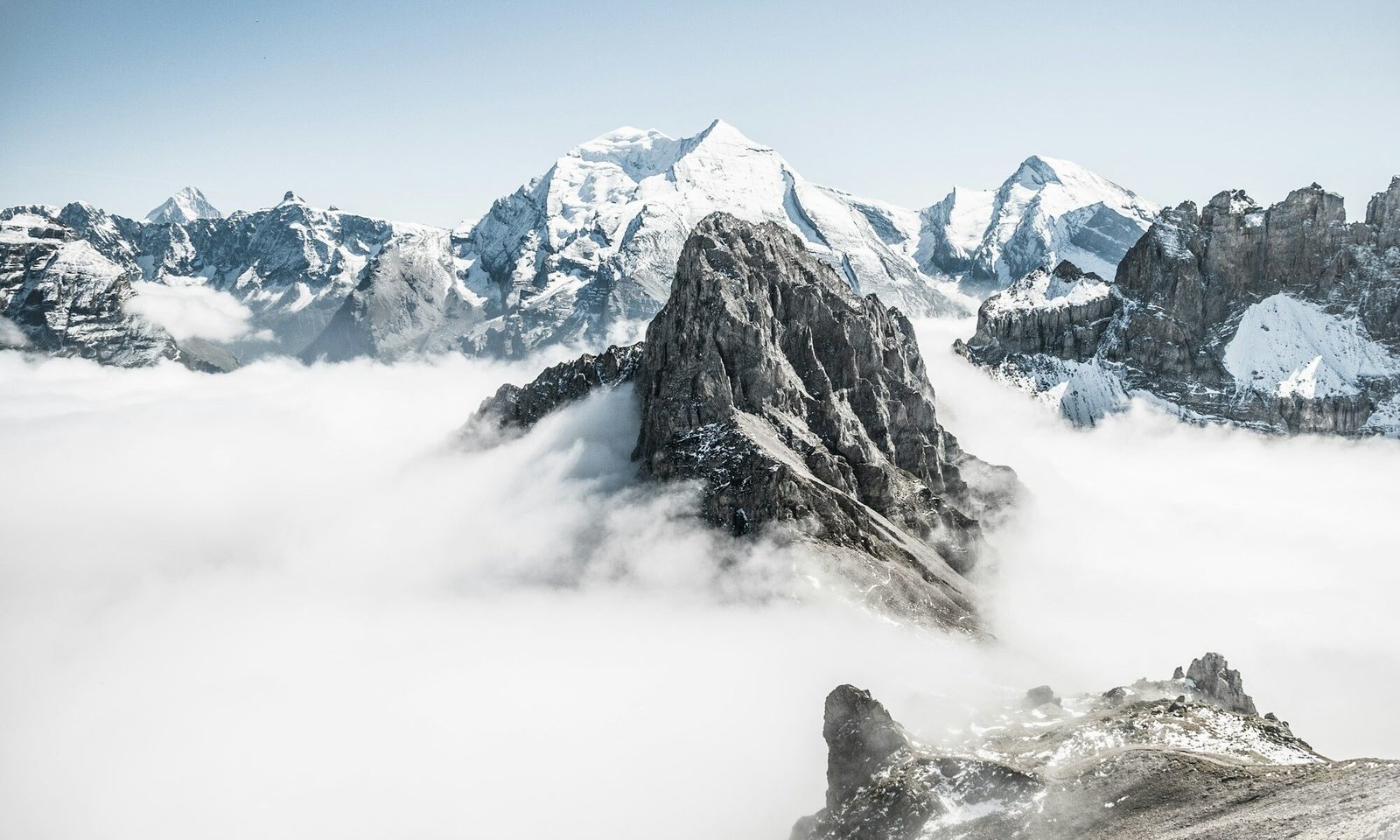
Rocky Mountain National Park is one of the highest parks in the country. A third of it sits above treeline, and more than 60 peaks top 12,000 feet. It is about 90 minutes from Denver, which explains why it draws more than four million visits in most recent years. That closeness to a big city also explains the reservation system. Without it, summer mornings were gridlock.
- 12,183 ftHigh point of Trail Ridge Road
- 2–3 daysRight length for most visitors
- $30One-day vehicle pass; $35 for 7 days
- July–SeptWhen everything is open
How timed entry works
For the last several years, Rocky Mountain National Park has run a timed-entry permit system from roughly late May to mid-October. The current structure has two types of permits:
- Park access plus Bear Lake Road: needed to drive the Bear Lake Road corridor, the busiest area in the park, during a long daytime window starting very early in the morning.
- Park access (excluding Bear Lake Road): covers the rest of the park, including Trail Ridge Road, during the middle of the day.
Permits are sold on recreation.gov for a small fee. Most are released at the start of the month for the following month, and some are held back for release the evening before. Hours and dates have shifted slightly almost every year, so check nps.gov/romo for the exact windows for your trip.
The practical takeaway: if you arrive before the permit window starts, you don’t need a permit at all. For the general park, that has meant arriving before 9 a.m. For Bear Lake Road, the window starts much earlier, often around 5 a.m. Plenty of locals simply get up early. We think that is the better plan anyway. The light is better, the animals are out and the trails are cooler.
If you miss both, the free park-and-ride shuttle to Bear Lake runs from a lot near the Beaver Meadows area and does not require a timed permit, though you still need park entry. It fills by mid-morning in summer.
Trail Ridge Road: the drive
Trail Ridge Road crosses the park from Estes Park on the east to Grand Lake on the west, about 48 miles. It is the highest continuous paved road in the United States, peaking at 12,183 feet. For about 11 miles it runs above treeline across alpine tundra, the same kind of landscape you would find in the Arctic. It is usually open from late May to mid-October, weather permitting, and closes completely in winter.
The best stops, from east to west:
- Many Parks Curve: a big view over the eastern valleys.
- Rainbow Curve: look down on the switchbacks and Horseshoe Park.
- Forest Canyon Overlook: a short paved walk to a deep glacier-carved canyon.
- Tundra Communities Trail: a half-mile paved walk at about 12,000 feet. Walk slowly. You will feel it.
- Alpine Visitor Center: the highest visitor center in the national park system, at 11,796 feet.
- Kawuneeche Valley: the quiet west side, with the headwaters of the Colorado River and lots of moose.
Give it a full day round trip, or drive it one way and continue south through Grand Lake. The weather on top can change fast. Summer afternoons bring thunderstorms, lightning and sometimes hail. If you can, drive up in the morning.
Old Fall River Road is the original route, a one-way gravel road climbing up past waterfalls to the Alpine Visitor Center. It usually opens around early July. It is slow and steep but fine for normal cars driven carefully. If you want something wilder than the paved road, take it up and Trail Ridge down.
The best hikes, sorted by effort
The Bear Lake corridor is the heart of hiking in the park. Several of the best trails start from the same trailhead, so you can choose your day once you see how you feel.
| Hike | Round trip | Elevation gain | What makes it special |
|---|---|---|---|
| Bear Lake loop | 0.8 mi | Minimal | Easy, accessible lake walk |
| Nymph, Dream and Emerald lakes | 3.2 mi | About 650 ft | Three alpine lakes, each better than the last |
| Alberta Falls | 1.6 mi | About 200 ft | A pretty 30-foot waterfall |
| Mills Lake | 5.3 mi | About 700 ft | Big peaks over a rocky lake |
| Sky Pond | 9 mi | About 1,700 ft | Scramble up a waterfall to a cirque lake |
| Chasm Lake | 8.5 mi | About 2,500 ft | Sits right under Longs Peak’s east face |
If you only have half a day and decent fitness, do the Emerald Lake trail. It is short, it is stunning, and it is the reason the Bear Lake lot fills by early morning. Strong hikers should do Sky Pond. You pass Alberta Falls and The Loch, then scramble up Timberline Falls, a short wet rock climb that is the crux of the route, before reaching the lake beneath jagged spires. It is one of the best day hikes in Colorado.
Longs Peak, the park’s only 14,000-foot peak at 14,259 feet, is a famous climb. It is also dangerous. The Keyhole Route is about 15 miles round trip with serious exposure and scrambling, and people die on it. It is not a hike. Treat it as a mountaineering objective.
Elk, moose and other wildlife
From mid-September to mid-October, the elk rut fills Moraine Park and Horseshoe Park with bugling bulls and their harems. It is one of the great wildlife shows in America, and it happens right beside the road at dusk. Elk also wander through the town of Estes Park, onto the golf course and across front lawns. Give them space, especially in the rut. Bulls are aggressive.
Moose are common on the west side, in the Kawuneeche Valley. Bighorn sheep gather at Sheep Lakes in Horseshoe Park in early summer. Look for marmots and pikas in the rocks along Trail Ridge Road.
Altitude: take it seriously
Estes Park sits at about 7,500 feet. Bear Lake is at about 9,450. Trail Ridge Road tops 12,000. If you fly in from sea level and drive straight up, you may get a headache, poor sleep, shortness of breath or nausea. That is mild altitude sickness, and it is common.
The simple fixes work. Spend your first night in Denver or Estes Park, not higher. Drink plenty of water. Go easy on alcohol the first day or two. Plan shorter hikes first and save Sky Pond for day three. If symptoms get worse instead of better, go down. Our altitude sickness guide goes deeper.
A three-day plan
Day one. Arrive in Estes Park and acclimatize. Drive slowly through Moraine Park in the evening to see elk. Walk the Bear Lake loop if you have permit access.
Day two. Enter early and hike from Bear Lake to Emerald Lake, or to Sky Pond if you feel good. Picnic by a lake. Rest in the afternoon, then drive to Sheep Lakes for evening wildlife.
Day three. Drive Trail Ridge Road in the morning, stopping at Forest Canyon Overlook and the Tundra Communities Trail. Have lunch at the Alpine Visitor Center or bring one. Drop down into the Kawuneeche Valley to look for moose, then either return or continue through the town of Grand Lake.
When to go
July and August are peak season, with everything open, wildflowers on the tundra and afternoon storms almost daily. September is our favorite month: golden aspens in the second half of the month, elk rut, fewer people. June can still have snow on higher trails and Trail Ridge Road may open late. Winter is quiet, with snowshoeing at Bear Lake and the high road closed.
Where to stay
Estes Park is the main gateway, with hundreds of hotels, cabins and rentals along the Big Thompson River. Book well ahead for summer weekends and the September elk season. Grand Lake, on the west side, is smaller and quieter, a lakeside town that feels like an older version of Colorado. There is no lodge inside the park, but five campgrounds offer sites, with Moraine Park and Glacier Basin the most popular. They book up fast on recreation.gov.
What it costs
Entry is $30 for a one-day vehicle pass or $35 for seven days, or covered by the annual pass. Timed-entry permits add a small reservation fee. Estes Park hotels in July often run $200 to $400 a night, cheaper in spring and late fall. Campsites inside the park are about $35 a night in summer. If you visit from abroad, check the new non-resident fee for 2026 at nps.gov/romo before you go.
Common mistakes
Arriving at 10 a.m. without a permit. You will be turned away, or wait for a later slot. Book ahead or come early.
Planning a big hike on day one. Altitude will slow you down. Start easy.
Staying above treeline in a storm. Lightning kills people in the Colorado high country. If thunder rumbles, head down.
Feeding wildlife. It is illegal and teaches animals to approach people, which often leads to them being killed.
Getting there
Denver International Airport is the nearest major airport, about 80 miles and roughly 90 minutes to two hours from Estes Park depending on traffic. The drive up through Lyons and the St. Vrain Canyon or through the Big Thompson Canyon is scenic in its own right. Shuttle services run between the airport and Estes Park if you don’t want to rent a car, though you will want one for exploring the park. The west entrance near Grand Lake is about two and a half hours from Denver via Berthoud Pass, which makes a good loop if you return a different way.
Visiting with kids
The park works well for families if you keep hikes short and high-altitude time limited. Kids love the Bear Lake loop, Alberta Falls and the boardwalks in the Kawuneeche Valley. Sprague Lake has a flat, easy loop with mountain reflections at sunrise. The Junior Ranger program at the visitor centers is excellent. On Trail Ridge Road, the tundra walks are short, but young kids feel altitude too, so watch for crankiness that is really a headache. Bring snacks and water for everyone.
Packing list
- A rain jacket and warm layer, even on hot July days.
- Sun hat, sunglasses and high-SPF sunscreen. UV is stronger at altitude.
- Two liters of water per person for any hike, plus electrolyte tablets.
- Sturdy shoes with grip for rocky trails and the Timberline Falls scramble.
- Binoculars for elk, bighorn sheep and moose.
- Offline maps. Cell service is unreliable once you leave Estes Park.
Is it worth the hassle?
Yes. Permits, early alarms and thin air sound like a lot of friction for one park. But nowhere else in the lower 48 can you drive across miles of Arctic-style tundra, watch a bull elk bugle at dusk and hike to three alpine lakes before lunch, all within two hours of a major airport. Plan for the system once, and the park pays you back every single morning.
Frequently asked questions
Do you need a reservation for Rocky Mountain National Park?
During the timed-entry season, roughly late May to mid-October, a timed permit is required during daytime hours. Check nps.gov/romo for current dates and windows.
How long does it take to drive Trail Ridge Road?
About two hours one way without stops. Plan four to six hours with stops.
What is the best hike in Rocky Mountain National Park?
Emerald Lake for most visitors. Sky Pond for strong hikers.
When can you see elk in Rocky Mountain National Park?
Year-round, but the September to October rut is the most dramatic time.
What to do next
- Check the timed-entry release date for your travel month and set an alarm.
- Book Estes Park lodging, especially for September weekends.
- Plan one easy day and one hiking day, with the hard hike last.
- Pack rain layers for afternoon storms, even in July.
Eric Gamble
Eric Gamble is the founder of Travon Inc. and editor-in-chief of Travon Blog, based in New Orleans. He plans every guide around the questions travelers actually ask before they book: when to go, what it really costs, how to get around and what is worth skipping. Eric oversees research, fact-checking and the regular updates that keep each guide accurate.