Napa Valley Weekend Guide: Wineries, Costs and How to Plan It
Napa can cost $100 per tasting and $600 a night, or a lot less if you plan it right. Our two-day Napa Valley plan covers which towns to base yourself in, how many wineries to book, how to get around without driving after tasting, and the season when the valley turns yellow and prices fall.

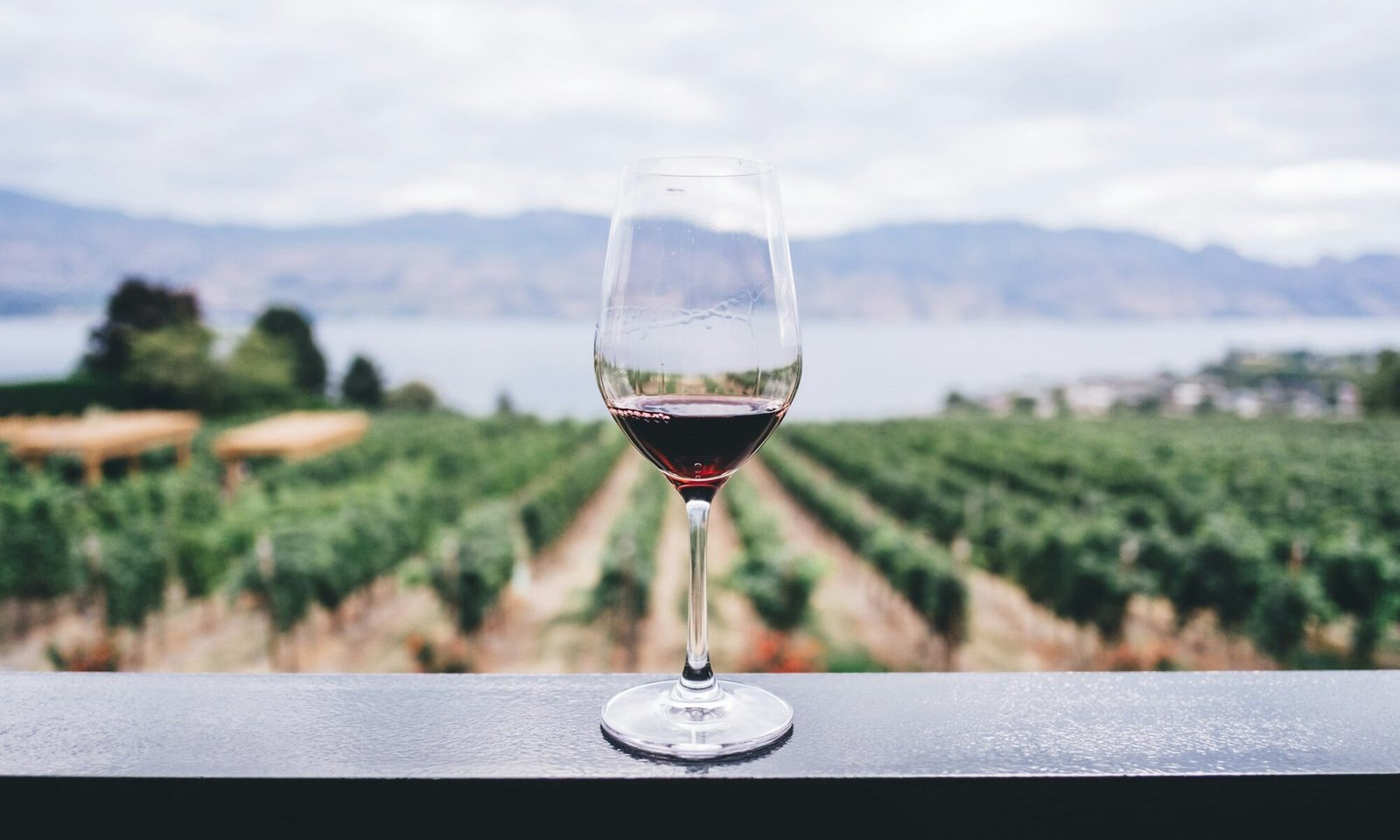
A Napa Valley weekend works best with two full days, three or four winery visits booked in advance, a base in the town of Napa, Yountville or Calistoga, and a designated driver, hired car or tour so nobody drives after tasting. Expect tasting fees of about $40 to $100 or more per person at most wineries, and plan for high hotel prices, especially during harvest from August to October. For lower prices and fewer crowds, visit from January to March, when yellow mustard blooms between the vines, or on weekdays any time of year.
Napa Valley is only about 30 miles long and a few miles wide, but it holds more than 400 wineries and some of the most famous vineyards in the world. Two roads run its length: Highway 29 on the west side, lined with big-name wineries, and the quieter Silverado Trail on the east. Between them lie vineyards of mostly Cabernet Sauvignon, the grape that made Napa’s name, along with Chardonnay, Merlot, Sauvignon Blanc and Zinfandel.
Wine has been made here since the 1800s, but Napa’s modern reputation dates from 1976. At a blind tasting in Paris, now known as the Judgment of Paris, French judges ranked a Cabernet from Stag’s Leap Wine Cellars and a Chardonnay from Chateau Montelena, both from Napa, above famous French wines. The upset changed how the world saw American wine. Today, Napa is a destination for wine, food and luxury travel, and it can be very expensive. But with the right timing and plan, you can have a wonderful weekend without spending a fortune.
- 400+Wineries in about 30 miles of valley
- 1976Judgment of Paris put Napa on the map
- $40–$100+Typical tasting fee per person
- Jan–MarMustard season: quiet, green and cheaper
The weekend at a glance
| Time | Plan | Where | Book ahead? |
|---|---|---|---|
| Saturday morning | Sparkling wine tasting, then a big-name Cabernet house | Carneros and Oakville | Yes |
| Saturday afternoon | Lunch in Yountville, one small family winery | Yountville and Silverado Trail | Yes |
| Saturday evening | Dinner in downtown Napa | Napa | Yes |
| Sunday morning | Hot air balloon or Vine Trail bike ride | Yountville or Napa | Yes for balloons |
| Sunday afternoon | St. Helena and Calistoga wineries, mud bath | Up valley | Yes |
How Napa tasting works now
Napa has changed a lot in recent years. Most wineries now require reservations, partly because of county permit rules and partly because they prefer seated tastings to crowded bars. Walk-ins are possible at some places, especially midweek, but don’t count on it on weekends.
Tastings typically last 45 minutes to 90 minutes and include four to six wines, often with a tour or food pairing. Fees have climbed steadily. Standard tastings commonly cost $40 to $75, and reserve or estate experiences at well-known wineries can run $100 to $200 or more per person. Some wineries waive the fee if you buy wine or join their club. Tips aren’t required, but many visitors leave something for a great host.
Plan three, or at most four, wineries a day. More than that and you’ll be rushed, tired and unable to taste anything properly. Schedule them about two hours apart and include lunch. Drink water between tastings and use the spit buckets; nobody will judge you, and the staff will be glad you’re paying attention to the wine.
Wineries worth booking
With hundreds of choices, the best plan is to mix one or two famous names with smaller producers. Here are some reliable choices by area.
| Area | Winery | Known for | Why go |
|---|---|---|---|
| Carneros | Domaine Carneros | Sparkling wine | A French-style château terrace overlooking vineyards |
| Stags Leap District | Stag’s Leap Wine Cellars | Cabernet Sauvignon | Home of the 1976 Paris winner |
| Rutherford | Inglenook | Historic Cabernet estate | Grand 1880s château, owned by Francis Ford Coppola |
| St. Helena | Beringer | History and range | Founded in 1876; tunnels and a Victorian mansion |
| Calistoga | Chateau Montelena | Chardonnay and Cabernet | The other Paris winner, with a lake and stone château |
| Calistoga | Schramsberg | Sparkling wine | Tours of hand-dug caves from the 1800s |
| Calistoga | Castello di Amorosa | Italian-style wines | A replica medieval castle with a moat and dungeon |
Balance these with smaller, family-owned wineries along the Silverado Trail and in the hills, where you are more likely to meet the winemaker. Ask your hotel or a wine shop in town for recommendations based on your taste. Opening hours, ownership and tasting formats change often, so always check before booking.
The towns
Napa, the largest town, sits at the south end of the valley. Its downtown along the Napa River has tasting rooms, restaurants, hotels and the Oxbow Public Market, a food hall with oysters, tacos, cheese, coffee and local products. Staying here is convenient and usually the cheapest option in the valley.
Yountville, about 10 minutes north, is a small, walkable town with a remarkable concentration of acclaimed restaurants, including Thomas Keller’s The French Laundry, one of the most famous restaurants in America, and his more casual bistro and bakery. You can walk between restaurants and tasting rooms, and the paved Napa Valley Vine Trail connects Yountville with Napa for biking.
Oakville and Rutherford are less towns than clusters of famous wineries along Highway 29, in the heart of Cabernet country.
St. Helena has a charming Main Street of shops and restaurants and is surrounded by historic wineries. The Culinary Institute of America runs a campus in the old stone Greystone Cellars building.
Calistoga, at the north end of the valley, is more relaxed and a little less expensive, with hot springs, mud baths and spa resorts. Its main street feels like a small Western town. Nearby, a geyser erupts regularly. Our hot springs guide covers Calistoga’s spas.
Beyond wine
Hot air balloon rides lift off at dawn most days when the weather allows, floating over the vineyards for about an hour, followed by a champagne brunch. They cost a few hundred dollars per person and should be booked ahead.
The Napa Valley Wine Train runs vintage railcars between Napa and St. Helena, with multi-course meals on board and optional winery stops. It is pricey but relaxing, and you don’t have to worry about driving.
Biking on the Vine Trail or quieter roads is a great way to see the valley, but cycling between wineries after tasting needs care. Many outfitters offer guided bike tours with van support.
Hiking options include Bothe-Napa Valley State Park and Robert Louis Stevenson State Park, where a trail climbs Mount St. Helena with views on clear days to the Sierra and San Francisco.
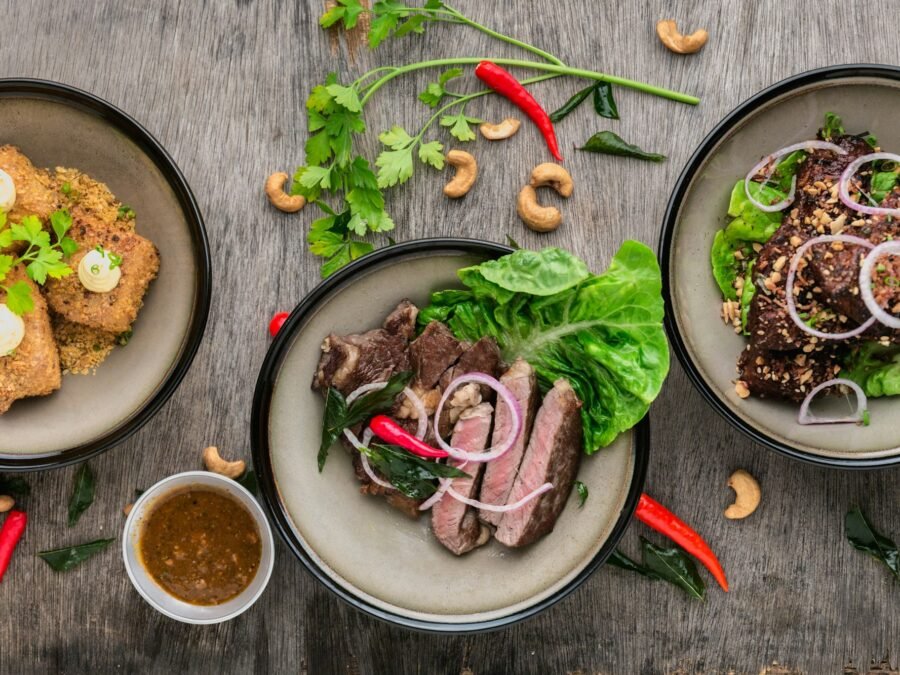
For food lovers, Napa is one of the best small regions in the country. Restaurants range from tasting-menu temples to taco trucks favored by vineyard workers. Our best food cities guide covers San Francisco and other nearby food capitals.
Getting around safely
This matters more than anything else on this list. California’s legal blood alcohol limit for drivers is 0.08 percent, police patrol Highway 29 and the Silverado Trail, and serious crashes happen every year. Even if you spit and pace yourself, three or four tastings add up. Options include:
- A designated driver who tastes very little or not at all. Many wineries offer non-alcoholic options or reduced fees for drivers.
- A private driver who drives your own car or a company vehicle, often for $60 to $100 an hour with a minimum.
- Small-group tours, which handle reservations and transportation for a set price per person.
- The Wine Train or bike tours with support vans.
- Rideshare, which works in the main towns but can be unreliable between wineries, especially in the evening and up valley.
What it costs
| Expense | Budget-conscious | Mid-range | Luxury |
|---|---|---|---|
| Hotel per night | $180–$280 (Napa or nearby towns) | $350–$600 | $900+ |
| Tastings per person per day | $80–$150 | $150–$300 | $400+ |
| Food per person per day | $60–$90 | $120–$200 | $400+ with a tasting menu |
| Transport per day | Designated driver | Group tour $150–$250 pp | Private driver $600+ |
A mid-range weekend for two can easily reach $1,500 to $2,500 without buying wine to take home. Ways to save include staying in American Canyon, Vallejo, Fairfield or Santa Rosa, visiting midweek or in winter, sharing tastings (some wineries allow it), picnicking at wineries that permit it, eating at the Oxbow Public Market and visiting nearby Sonoma County, which is generally more casual and less expensive. Our guide to finding cheap hotels covers more tactics, and watch for the resort fees explained in our resort fees guide.
Buying and shipping wine home
Many Napa wines, especially from small producers, are sold only at the winery or through mailing lists, so you may want to bring some home. Wineries can usually ship to most US states, but shipping laws vary, and a few states restrict or ban direct shipments to consumers. Ask before you buy. Shipping a case typically costs $40 to $100 or more, depending on distance and season, and many wineries pause shipping during the hottest summer months to protect the wine.
If you’re flying, you can check wine in your luggage. Airlines allow alcohol under 24 percent in checked bags in reasonable amounts, and wine shops in Napa sell padded shippers and foam bottle sleeves. Wine is not allowed in carry-on bags beyond the standard liquids limit, which our TSA carry-on rules guide explains. Don’t leave bottles in a hot car for hours between tastings; heat damages wine quickly.
Wine clubs offer discounts, free tastings and access to limited wines, but they come with regular shipments and charges. Read the terms carefully, and only join one you’re sure you’ll enjoy.
Napa or Sonoma?
Next door, across the Mayacamas Mountains, Sonoma County is larger and more spread out, with a wider range of grapes, including Pinot Noir and Chardonnay from cooler areas near the coast. It tends to feel more casual and rural, with lower tasting fees and more walk-in tasting rooms, especially around the town squares of Sonoma and Healdsburg. If you have three or more days, consider splitting time between the two. If you want famous Cabernet, landmark wineries and a concentration of acclaimed restaurants, Napa is the better choice for a first trip.
When to go
Harvest, or “crush,” season from August through October is the most exciting time, when grapes are picked and winemaking is in full swing. It is also the busiest and most expensive period. November brings golden and red vine leaves and fewer crowds. From January to March, wild mustard blooms bright yellow between the bare vines, hotels drop prices and tasting rooms are quiet, though some days are rainy. Spring, from April to June, is green and pleasant. Summer is hot and dry, often in the 90s.
Wildfire is a serious concern from late summer through fall. The Atlas Fire in 2017 and the Glass Fire in 2020 burned parts of the valley, including several wineries. Check air quality and fire alerts before your trip, and buy refundable rates during fire season if possible.
Where to stay
Downtown Napa is the most practical, with the widest range of hotels, many restaurants and easy access from the south. Yountville is walkable and upscale. St. Helena has charming inns and luxury resorts. Calistoga has spa resorts and motels at lower prices. Upscale resorts in the hills offer views and quiet. Vacation rentals face restrictions in parts of Napa County, so book through established hosts. Most hotels have two-night minimums on weekends in high season.
Getting there
Napa is about 50 miles northeast of San Francisco, roughly an hour to an hour and a half by car depending on traffic, and about an hour from Sacramento. The closest major airports are Oakland, San Francisco and Sacramento; the small Sonoma County Airport is about 45 minutes away. Napa makes a great addition to a San Francisco trip or a Pacific Coast Highway road trip.
Common mistakes
Booking too many wineries. Three or four a day is plenty.
Not making reservations. Many wineries won’t take walk-ins on weekends.
Driving after tasting. It is dangerous and illegal. Plan transportation before you go.
Skipping lunch. Tasting on an empty stomach ruins afternoons.
Only visiting famous names. Some of the best experiences are at small family wineries.
Frequently asked questions
How many days do you need in Napa Valley?
Two days is enough for a satisfying weekend. Three lets you add a balloon ride, spa time or Sonoma.
How much does wine tasting cost in Napa?
Most tastings cost $40 to $100 per person, and premium experiences cost much more.
Do you need reservations for Napa wineries?
Yes, at most wineries, especially on weekends. Book a few weeks ahead in high season.
What is the best time to visit Napa Valley?
September and October for harvest, or January to March for lower prices and mustard blooms.
Is Napa or Sonoma better for a first visit?
Napa has more famous wineries and restaurants. Sonoma is larger, more relaxed and usually cheaper.
Plan your weekend
- Pick your dates, checking harvest season and wildfire risk.
- Book lodging in Napa, Yountville or Calistoga.
- Reserve three or four winery visits per day, plus lunch.
- Arrange a designated driver, private driver or tour.
- Leave room for one splurge, whether that is a balloon ride, a mud bath or a great dinner.
Eric Gamble
Eric Gamble is the founder of Travon Inc. and editor-in-chief of Travon Blog, based in New Orleans. He plans every guide around the questions travelers actually ask before they book: when to go, what it really costs, how to get around and what is worth skipping. Eric oversees research, fact-checking and the regular updates that keep each guide accurate.