San Francisco Travel Guide: 3-Day Itinerary, Where to Stay, Eat
Fog that moves like a living thing, cable cars on impossible hills, a bridge that never gets old and a burrito that ruins all other burritos. A practical San Francisco guide for first-timers.
Three days is the right length for a first trip to San Francisco: one for the Golden Gate Bridge and the coast, one for Alcatraz, Chinatown and the cable cars, one for Golden Gate Park and the Mission. Stay near Union Square or North Beach. Skip the rental car. Pack a warm layer even in July, and go in September or October for the city’s warmest, clearest weather.
San Francisco packs an astonishing amount into seven by seven miles. In a single day you can walk across the Golden Gate Bridge, ride a cable car up a hill so steep it feels like a ride at a fair, eat dim sum, wander one of the oldest Chinatowns in North America, and watch fog pour over the hills at sunset. It is also a city with real quirks: microclimates, hills that test your calves, and some practical issues that every visitor should know about.
This guide covers where to stay, how to get around, a three-day itinerary, what to eat, and honest advice on weather and safety.
- 3 daysA great first visit
- LayersAlways: summer can be cold
- Sep–OctWarmest, clearest weather
- Muni + BARTNo car needed
Understand San Francisco’s weather
The most common mistake visitors make is packing for California sunshine. San Francisco’s summers are often cool and foggy, especially in the western neighborhoods and near the Golden Gate. Marine fog rolls in from the Pacific in the afternoon and can drop the temperature quickly. Locals have even given the fog a nickname.
- September and October are usually the warmest, sunniest months, the city’s real summer.
- June through August are often foggy and cool, particularly in the afternoons.
- Winter is mild but rainy.
- Spring is pleasant, with green hills and wildflowers.
Weather varies dramatically by neighborhood. It can be sunny and 70 °F in the Mission while it is 55 °F and foggy at Ocean Beach. Always carry a warm layer.
Where to stay
| Neighborhood | Best for | Keep in mind |
|---|---|---|
| Union Square | Central location, transit, hotels at every price | Some nearby blocks feel rough, especially toward the Tenderloin |
| Fisherman’s Wharf | Families, waterfront, cable cars | Touristy, with fewer good restaurants |
| Nob Hill | Grand historic hotels, cable cars | Steep hills |
| North Beach | Italian cafés, nightlife, walkability | Limited hotel options |
| Hayes Valley | Boutiques, restaurants, central | Mostly smaller hotels and inns |
| The Marina and Cow Hollow | Quiet streets, near the Presidio and bridge | Farther from downtown |
| Mission District | Food, nightlife, sunshine | Few hotels |
Hotel prices spike during major conferences, which can fill the city on short notice. Check for big events before you book, and use the tips in our hotel savings guide.
Getting around
- Muni: buses, light rail and historic streetcars cover the city. Pay with a Clipper card or the MuniMobile app, or tap a contactless card on many routes.
- Cable cars: a moving National Historic Landmark and a genuine ride, though more expensive than a bus. The Powell–Hyde line has the most dramatic views.
- BART: regional trains connecting downtown to San Francisco International Airport (SFO), Oakland and Berkeley.
- Walking: the best way to see neighborhoods, though hills are steep. Plan routes that go downhill when you can.
- Driving: not recommended. Parking is scarce and expensive.
Car break-ins are a well-known problem in San Francisco, particularly at tourist spots and viewpoints. If you have a car, never leave anything visible inside: not bags, not jackets, not charging cables, not even an empty shopping bag. Take valuables with you or put them out of sight before you arrive at your parking spot.
Day 1: Golden Gate Bridge, the Presidio and the waterfront
Morning: Walk or bike the Golden Gate Bridge
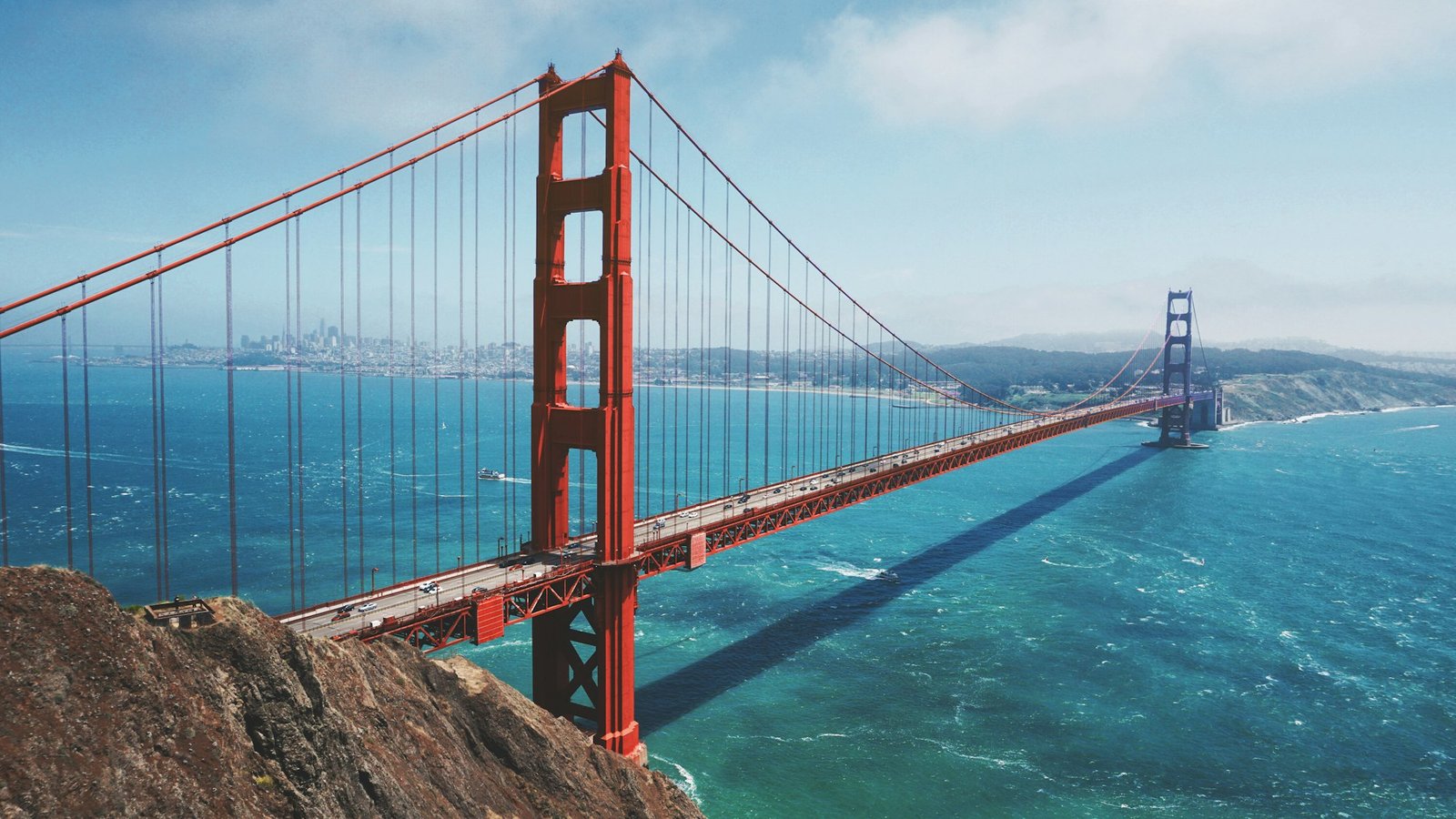
Opened in 1937, the Golden Gate Bridge spans about 1.7 miles from San Francisco to Marin County, and its famous color is officially called “International Orange.” Walk out from the Welcome Center on the San Francisco side, or rent a bike and ride across to Sausalito, then return by ferry. That is one of the best half-days in the city. Pedestrians use the east sidewalk.
Late morning: The Presidio
The Presidio, a former Army post turned national park site, has trails, viewpoints and Presidio Tunnel Tops, a park built on top of a highway tunnel with big views of the bridge and the bay. Walk down to Crissy Field and along the shore to the Palace of Fine Arts, a romantic Beaux-Arts rotunda built for the 1915 Panama-Pacific Exposition.
Afternoon: Lands End
Head west to the Lands End Trail, a coastal path with cypress trees, shipwreck remains visible at low tide, and views of the Golden Gate from the ocean side. Explore the ruins of the Sutro Baths, a giant 19th-century public bathhouse, and watch the waves at Ocean Beach.
Evening: North Beach
Spend the evening in North Beach, San Francisco’s historic Italian neighborhood and the home of the Beat Generation. Browse City Lights Booksellers, have dinner at a classic Italian restaurant, and finish with an espresso or a drink in one of the old bars.
Day 2: Alcatraz, Chinatown and the cable cars
Morning: Alcatraz
Book Alcatraz tickets well in advance, often weeks ahead in peak season, through the official concessionaire. Ferries leave from Pier 33. The audio tour of the cellhouse, narrated by former guards and inmates, is excellent. Allow about three hours including the boat.
Afternoon: Chinatown and Nob Hill
Walk into Chinatown through the Dragon Gate on Grant Avenue. Explore the alleys off Grant and Stockton streets, visit a historic temple, and eat dim sum or bakery buns. Then ride the cable car up to Nob Hill to see Grace Cathedral and the grand hotels, and visit the free Cable Car Museum, where you can watch the huge wheels that pull the cables under the streets.
Evening: The Ferry Building and the Embarcadero
The Ferry Building is a food hall in a restored 1898 terminal, with oysters, local cheese, bakeries and coffee. On market days, farmers set up outside. Walk the Embarcadero at dusk to see the Bay Bridge light display.
Day 3: Golden Gate Park and the Mission
Morning: Golden Gate Park
Larger than New York’s Central Park, Golden Gate Park stretches from the Haight to the ocean. Visit the de Young Museum and its free observation tower, the California Academy of Sciences with its living roof and rainforest dome, and the Japanese Tea Garden. Walk or bike toward the ocean past the Dutch windmills.
Afternoon: The Haight and Alamo Square
Stroll Haight Street, center of the 1967 Summer of Love, now full of vintage shops and record stores. Then walk to Alamo Square to see the “Painted Ladies,” a row of Victorian houses with the downtown skyline behind them.
Evening: The Mission District
The Mission District is San Francisco’s sunniest neighborhood and one of its most vibrant. See the murals in Balmy Alley and Clarion Alley, relax in Dolores Park, and eat a Mission-style burrito: oversized, wrapped in foil and stuffed with rice, beans, meat and salsa. It is a San Francisco institution.
Free and cheap things to do
- Walk across the Golden Gate Bridge.
- Climb the Filbert Steps on Telegraph Hill, a garden-lined stairway where you may spot the neighborhood’s famous wild parrots, then visit Coit Tower’s murals. The elevator to the top charges a fee.
- Watch sunset from Twin Peaks, with a 360-degree view of the city.
- Ride up to the free observation tower at the de Young Museum.
- Hike Lands End and see the Sutro Baths ruins.
- Picnic in Dolores Park with the skyline behind you.
- Visit the Cable Car Museum.
- Browse City Lights Booksellers and the alleys of Chinatown.
- Walk the Embarcadero from the Ferry Building to Pier 39 to see the sea lions.
San Francisco with kids
Families will love the cable cars, the sea lions at Pier 39, the Exploratorium, a hands-on science museum on the waterfront, the California Academy of Sciences, the playgrounds at Golden Gate Park and the Presidio Tunnel Tops, and biking flat routes along Crissy Field. Keep a warm layer for everyone, since kids feel the summer fog too.
Getting in from the airports
From San Francisco International Airport (SFO), BART trains run directly to downtown stations in about 30 minutes. From Oakland International Airport (OAK), take the BART connector to the main BART line and ride into the city. Both are much cheaper than a taxi or rideshare, especially at rush hour.
Neighborhoods worth a wander
- Mission District: Murals, burritos, Dolores Park, sunshine.
- North Beach: Italian cafés, Beat history, Coit Tower.
- Chinatown: History, dim sum, temples, markets.
- Hayes Valley: Boutiques, restaurants, Patricia’s Green.
- The Castro: LGBTQ+ history, the historic Castro Theatre.
- The Richmond and Sunset: Asian food, Golden Gate Park, Ocean Beach.
- Japantown: One of the few remaining Japantowns in the US.
What to eat
- Mission burrito from a taquería in the Mission.
- Sourdough bread, a San Francisco specialty since the Gold Rush.
- Dim sum in Chinatown or the Richmond District.
- Cioppino, a seafood stew created by Italian fishermen in North Beach.
- Dungeness crab, in season from roughly late fall into spring.
- Irish coffee, popularized in the US at a bar near the waterfront in the 1950s.
- Chocolate from the historic chocolate companies at Ghirardelli Square.
Budget
| Per person per day | Budget | Mid-range |
|---|---|---|
| Hotel (shared room) | $90–$150 | $160–$300 |
| Food | $40–$65 | $80–$140 |
| Transport | $8–$20 | $20–$45 |
| Activities | $0–$50 | $50–$120 |
What to pack for San Francisco
Packing for San Francisco means packing for several climates in one day. Bring:
- A warm fleece or sweater and a windproof jacket, even in July.
- Comfortable shoes with good grip for steep hills and stairs.
- A light scarf or hat for windy afternoons on the bridge and at the beach.
- Sunscreen, because sunny neighborhoods and the bay’s reflection can burn even on cool days.
- A small crossbody bag that zips closed for transit and crowded areas.
How to see the city in one day
Only have a single day? Start early with a walk or bike ride on the Golden Gate Bridge, ride a cable car from the waterfront over Russian Hill into downtown, wander Chinatown and North Beach for lunch, take a bus or rideshare to the Mission for murals and an afternoon in Dolores Park, and finish with sunset at Twin Peaks or Lands End. It is a lot, but it gives you a real taste of the city’s variety: bay, hills, history, food and fog.
Day trips
- Muir Woods: old-growth redwoods about 30 to 45 minutes north. Parking and shuttle reservations are required.
- Sausalito and Tiburon: by ferry, with waterfront towns and views back to the city.
- Napa and Sonoma: wine country, about an hour or more by car.
- Half Moon Bay and Highway 1: the start of our Pacific Coast Highway road trip.
- Yosemite: about four hours east. See our Yosemite guide.
Safety tips
- Never leave anything visible in a parked car.
- Keep phones secure on busy transit and in crowded areas.
- Some downtown areas, including parts of the Tenderloin and around Civic Center, can feel uncomfortable, especially at night. Plan routes and use rideshares if unsure.
- Watch your step on steep, uneven sidewalks.
- Never turn your back on the ocean at Ocean Beach or along the coast. Sneaker waves and cold, powerful currents are dangerous.
Frequently asked questions
How many days do you need in San Francisco?
Three days covers the major sights at a comfortable, unhurried pace. Add a day or two for Muir Woods, Sausalito or wine country.
What is the best month to visit San Francisco?
September and October usually bring the warmest, clearest weather.
Do I need a car in San Francisco?
No. Public transit, walking, cable cars and rideshares are easier. Rent a car only for day trips.
Where should I stay in San Francisco for the first time?
Union Square is the most central, with the best transit and hotel choice. North Beach, Nob Hill and the Marina are pleasant alternatives. Check recent reviews for the specific block, since conditions vary street by street.
Is Alcatraz worth it?
Yes. The audio tour is one of the best in the country, and the views of the city from the island are superb. Book tickets well ahead, because tours often sell out weeks in advance.
Can you walk across the Golden Gate Bridge?
Yes. Pedestrians use the east sidewalk, which is open during daylight hours. Bring a windbreaker because it is often cold and windy.
Eric Gamble
Eric Gamble is the founder of Travon Inc. and editor-in-chief of Travon Blog, based in New Orleans. He plans every guide around the questions travelers actually ask before they book: when to go, what it really costs, how to get around and what is worth skipping. Eric oversees research, fact-checking and the regular updates that keep each guide accurate.