Chicago on a Budget: Free Things, Cheap Eats and Where to Save
A free zoo, free conservatories, free summer festivals, 18 miles of lakefront trail and a $5 day pass that gets you almost anywhere. How to see Chicago on about $100 to $130 a day, with a sample budget, the best cheap eats and the costs that catch visitors out.

Chicago is easy to visit on a budget of about $100 to $130 a day per person if you come in spring or fall, share a room, ride the CTA trains with a day pass and fill your days with the city’s many free attractions. Millennium Park, Lincoln Park Zoo, the Lincoln Park and Garfield Park conservatories, the Chicago Cultural Center, the National Museum of Mexican Art and the 18-mile Lakefront Trail all cost nothing. In summer, free music festivals fill Grant Park and Millennium Park. Eat hot dogs, Italian beef and tacos instead of steakhouse dinners, and budget for Chicago’s high hotel taxes.
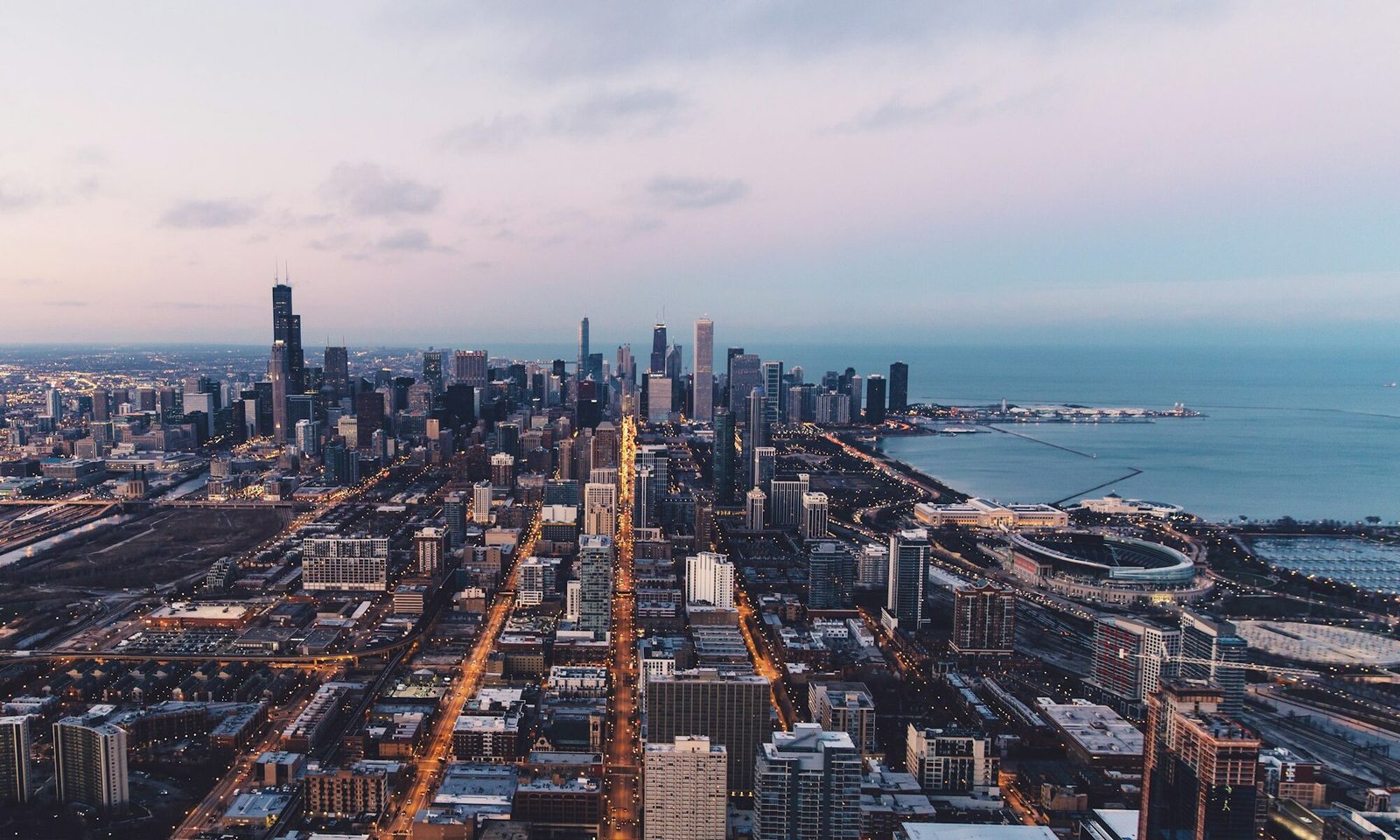
Chicago looks expensive from the Magnificent Mile, where luxury shops and big hotels line Michigan Avenue and an observation deck ticket costs more than lunch. But it is a working city with neighborhoods full of cheap food, an excellent public transit system and a long civic tradition of free public space. The lakefront, by law, has been kept largely open to the public for more than a century. Its parks, beaches and paths are one of the great free attractions in America. Many cultural institutions are free every day or have free days, and the summer festival season puts world-class musicians on outdoor stages for nothing. The city rewards visitors who plan a little and leave downtown.
For a full sightseeing plan, see our Chicago weekend itinerary, and for neighborhood-by-neighborhood hotel advice, read where to stay in Chicago.
- $5CTA one-day unlimited pass
- 18 miFree Lakefront Trail along Lake Michigan
- FreeLincoln Park Zoo, open every day of the year
- ≈17.5%Hotel tax rate to add to quoted room prices
What a budget trip costs
| Expense | Shoestring | Comfortable budget | Tips |
|---|---|---|---|
| Lodging per person | $40–$60 hostel bed | $75–$120 half of a hotel room | Prices drop sharply from January to March |
| Food | $25–$35 | $45–$65 | Hot dogs, Italian beef, tacos, food halls |
| Transport | $5 | $5–$15 | CTA day pass covers trains and buses |
| Attractions | $0 | $20–$50 | Mix free sights with one paid museum or cruise |
| Daily total | $70–$100 | $145–$250 | Excludes flights |
When to go for the best prices
Chicago hotel prices peak in summer, during big conventions at McCormick Place and around major events like Lollapalooza in early August and the Chicago Marathon in October. Prices are lowest from January through early March, when the weather is brutally cold, often below freezing with wind off the lake. That is a fine time for museums, theater and deep-dish pizza, but not for walking tours.
For the best balance of price and weather, aim for late April to early June or mid-September through October, on weekdays when possible, and check the convention calendar before booking. Summer costs more, but it is also when most of the free festivals, beaches and outdoor concerts happen, so you can save on entertainment what you spend on lodging.
Where to stay for less
Downtown hotels in the Loop and River North are convenient but pricey on weekdays when business travelers fill them. Weekends can be cheaper there, especially in winter. Neighborhoods with good transit and lower prices include Lincoln Park, Lakeview, Wicker Park, Logan Square and the West Loop.
Chicago has several large, well-run hostels, including one of the biggest in the country in the Loop, with private rooms as well as dorms. Some boutique hotels have bunk rooms that can be good value for groups.
Remember that Chicago’s hotel taxes are among the highest in the country, about 17 to 18 percent combined, and many downtown hotels add a nightly “destination” or “amenity” fee. Always compare the total price. Parking downtown often costs $50 to $80 a night, so don’t bring a car unless you need it. Our guide to finding cheap hotels explains how to compare total costs and when to book.
Getting around cheaply
Chicago’s CTA trains, known as the L, and buses go nearly everywhere visitors want to go. A single ride costs around $2.50 on trains and a little less on buses, but day passes are the better deal: about $5 for one day, $15 for three days and $20 for seven days in recent pricing. You can buy them as Ventra cards at stations or use a contactless bank card or phone to tap and pay.
From O’Hare, the Blue Line runs 24 hours to downtown in about 45 minutes, with a higher fare for trips starting at the airport, about $5. From Midway, the Orange Line reaches the Loop in about 25 minutes for the regular fare. A taxi or rideshare from O’Hare often costs $45 to $70, so the train saves a lot.
Divvy bike share is good for the Lakefront Trail and flat neighborhoods. A day pass or single rides are available through the app. Walking is easy downtown, and the Riverwalk makes a pleasant free route along the Chicago River.
The best free attractions
| Attraction | Area | Why go | Good to know |
|---|---|---|---|
| Millennium Park | Loop | Cloud Gate (“the Bean”), Crown Fountain, Lurie Garden | Free summer concerts at Pritzker Pavilion |
| Lincoln Park Zoo | Lincoln Park | Lions, gorillas and polar bears, free every day | Parking costs money; take a bus |
| Lincoln Park Conservatory | Lincoln Park | Glasshouses of palms, ferns and orchids | Warm refuge in winter |
| Garfield Park Conservatory | West Side | One of the largest conservatories in the US | Free; reservations sometimes required |
| Chicago Cultural Center | Loop | Tiffany glass dome, free exhibits and concerts | Great rainy-day stop |
| National Museum of Mexican Art | Pilsen | Major collection of Mexican and Mexican American art | Always free |
| Lakefront Trail | Entire lakefront | 18 miles of path with skyline views | Rent a Divvy bike |
| Chicago Riverwalk | Downtown | Architecture along the river | Cafés and bars open in warm months |
Millennium Park is the city’s front yard. Take photos in the reflection of Anish Kapoor’s Cloud Gate, watch kids splash in Jaume Plensa’s Crown Fountain, where faces of Chicagoans appear on two glass towers and spit water, and walk through the Lurie Garden. In summer, the Grant Park Music Festival offers free classical concerts at Frank Gehry’s Pritzker Pavilion several evenings a week. Bring a picnic and sit on the lawn.
Lincoln Park Zoo is one of the oldest zoos in the country and one of the few major zoos that remain free. Combine it with the conservatory next door and a walk to North Avenue Beach for skyline views.
The Chicago Cultural Center, built as the city’s first central library, has two spectacular glass domes, including what is said to be one of the largest Tiffany glass domes in the world. It hosts free exhibitions, lunchtime concerts and a visitor information desk.
In Pilsen, the National Museum of Mexican Art is free, and the neighborhood’s streets are covered in colorful murals. It is also a great place to eat cheaply.
Other free experiences include window-shopping on the Magnificent Mile, walking through the lobbies of historic Loop skyscrapers, the 606 elevated trail through Wicker Park and Bucktown, Chinatown, and Navy Pier, which charges nothing to enter, though its rides and attractions cost extra.
Museums: free days and discounts
The big museums on the Museum Campus and in Grant Park, including the Art Institute, the Field Museum, the Shedd Aquarium, the Adler Planetarium and the Museum of Science and Industry, charge admission, often $25 to $40 or more for adults. Several offer free days or reduced prices, but in recent years these have usually been limited to Illinois residents, so visitors from other states generally pay full price. Children are often free or discounted at the Art Institute.
If you plan to visit three or more big attractions, compare the Chicago CityPASS and similar passes against individual tickets. They can save money if you would visit those places anyway, but they rarely pay off for one or two sights.
For a single splurge, the Art Institute of Chicago is one of the best art museums in the world, with famous works like Grant Wood’s American Gothic, Edward Hopper’s Nighthawks and Georges Seurat’s A Sunday on La Grande Jatte. Allow at least half a day.
Architecture on the cheap
Chicago is famous for architecture, and the Chicago Architecture Center’s river cruise is the best way to see it, but tickets cost $50 or more. Cheaper options include the Chicago Water Taxi, which runs commuter boats along the river for a fraction of the price, and free self-guided walks past the Rookery, the Monadnock Building, the Chicago Board of Trade and Marina City. The Chicago Riverwalk gives you many of the same views on foot.
For views from above, observation decks charge $30 to $40. Some rooftop bars in the Loop and River North offer similar views for the price of a drink, though popular ones may have lines or minimums.
Free summer festivals
From June through September, Chicago is one long free festival. Highlights include the Chicago Blues Festival in June, the Grant Park Music Festival all summer, free movies in parks, the Chicago Air and Water Show in August over North Avenue Beach and the Chicago Jazz Festival around Labor Day. Most neighborhood street festivals ask for a small suggested donation at the gate. Check the city’s events calendar when planning your dates.
Eat well for less
Chicago’s most famous foods are also some of its cheapest.
Chicago-style hot dog. An all-beef frank on a poppy seed bun, “dragged through the garden” with yellow mustard, bright green relish, onions, tomato wedges, a pickle spear, sport peppers and celery salt. Never ketchup. You’ll pay around $5 to $8 at classic stands.
Italian beef. Thin slices of seasoned roast beef piled into a roll, dipped in juice and topped with sweet peppers or spicy giardiniera. A sandwich runs around $10 to $14 and is very filling.
Pizza. Deep-dish pies are big enough to share, which makes them reasonable for groups. Many locals prefer tavern-style thin crust, cut into squares, which is cheaper still.
Tacos and Mexican food. Pilsen and Little Village have some of the best Mexican food in the Midwest at modest prices.
Global neighborhoods. Try dim sum in Chinatown, Indian and Pakistani food along Devon Avenue, Greek in Greektown and Polish in the northwest neighborhoods.
Food halls downtown are a quick, flexible option for groups. For more strategies, see our guide to eating cheap while traveling and our list of America’s best food cities.
Sample three-day budget plan
| Day | Morning | Afternoon | Evening |
|---|---|---|---|
| 1 | Millennium Park and the Cultural Center | Riverwalk and Loop architecture walk | Italian beef dinner, free Pritzker Pavilion concert in summer |
| 2 | Lincoln Park Zoo and conservatory | Lakefront Trail by bike to North Avenue Beach | Deep-dish pizza shared with friends |
| 3 | National Museum of Mexican Art, Pilsen murals | Art Institute (paid) or Garfield Park Conservatory (free) | Tavern-style pizza or tacos, neighborhood bar |
Costs that catch visitors out
Hotel taxes and fees. A room advertised at $150 can cost $190 or more with taxes and fees.
Parking. Downtown garages and hotel valets are expensive. Use transit.
Taxis from O’Hare. The Blue Line costs a fraction of the price and is often just as fast in rush hour.
Free museum days. Many are for Illinois residents only, so check before planning around them.
Winter clothing. If you come in winter unprepared, you may end up buying a coat. Pack layers, a hat and gloves.
Safety tips
The areas most visitors spend time in, including the Loop, River North, the Gold Coast, Lincoln Park, Lakeview, Wicker Park and the Museum Campus, are generally safe, especially during the day. Use normal big-city caution at night, keep phones out of reach on crowded trains and avoid empty train cars late at night. On the lakefront, check beach conditions before swimming; Lake Michigan can have strong currents and cold water.
Frequently asked questions
How much does a weekend in Chicago cost?
A budget traveler sharing a room can manage about $300 to $400 for three days, not counting flights. Summer weekends and convention weeks cost more.
What is free in Chicago?
Millennium Park, Lincoln Park Zoo, the Lincoln Park and Garfield Park conservatories, the Chicago Cultural Center, the National Museum of Mexican Art, the Lakefront Trail and many summer festivals.
What is the cheapest time to visit Chicago?
January through early March, though the weather is very cold. Late spring and fall offer better value with mild weather.
Is the CTA safe and easy for visitors?
Yes. Trains connect both airports to downtown and reach most neighborhoods visitors use. Use common sense late at night.
Is a Chicago CityPASS worth it?
Only if you plan to visit at least three of the included attractions. Compare it with individual ticket prices first.
Before you go
- Check the convention and festival calendar before choosing dates.
- Compare hotels by total price, including taxes and fees.
- Plan to take the train from the airport and buy a multi-day CTA pass.
- Build your days around free sights, then pick one paid museum.
- Save room for a hot dog, an Italian beef and a slice of deep dish.
Eric Gamble
Eric Gamble is the founder of Travon Inc. and editor-in-chief of Travon Blog, based in New Orleans. He plans every guide around the questions travelers actually ask before they book: when to go, what it really costs, how to get around and what is worth skipping. Eric oversees research, fact-checking and the regular updates that keep each guide accurate.