Texas Hill Country Road Trip: Bluebonnets, Small Towns and Wineries
German bakeries, dance halls older than the light bulb, a pink granite dome and roadsides blue with wildflowers. A four-day Texas Hill Country loop from Austin, plus when to catch the bluebonnets.
Plan a four-day Texas Hill Country road trip as a loop from Austin. Head west to Johnson City and Fredericksburg, climb Enchanted Rock, catch live music at Luckenbach, drive the Willow City Loop for wildflowers, then swing back through Wimberley and Gruene. The loop covers about 300 miles. Go from late March to mid-April for peak bluebonnets, or in fall for mild weather and grape harvest. Book a weekend room in Fredericksburg early. It fills fast.
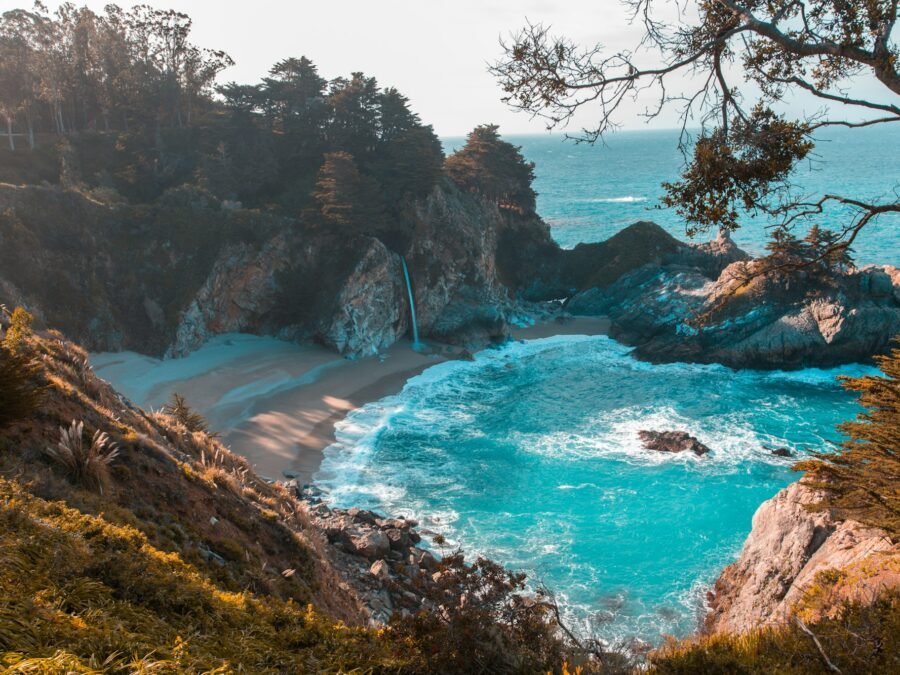
The Hill Country is the rolling, limestone heart of Central Texas, west of Austin and north of San Antonio. It is cut by clear spring-fed rivers, dotted with old German towns and covered in live oaks and wildflowers. This is not the flat, dusty Texas of the movies. It is green, hilly and full of small surprises: a dance hall built in 1878, a peach stand with the best fruit you have ever eaten, a swimming hole under a limestone grotto, a winery on almost every road.
- 4 daysRight length for the loop
- ≈300 miAustin back to Austin
- Late Mar–AprPeak bluebonnet season
- 1878Year Gruene Hall opened
When are the bluebonnets?
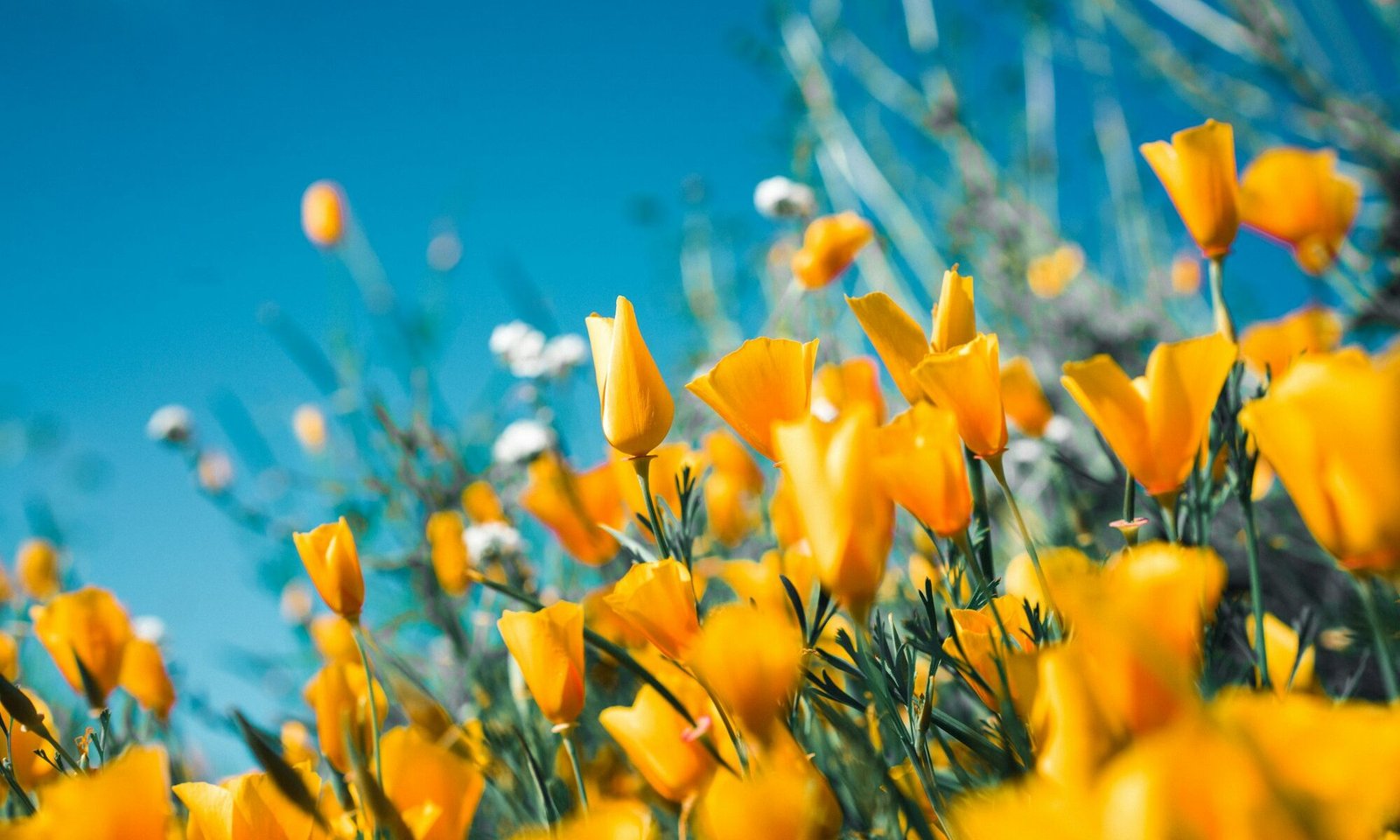
The Texas state flower, a deep blue lupine, usually blooms from late March through mid-April, often peaking around the first two weeks of April. Timing and density depend heavily on fall and winter rain. A wet autumn often means a spectacular spring; a drought year can be thin. Indian paintbrush, in orange and red, blooms alongside them, followed by yellow and red Indian blankets and other flowers into May.
Local news, the Texas Department of Transportation and wildflower groups share bloom reports each spring. The Lady Bird Johnson Wildflower Center in Austin, founded by the former first lady who championed roadside wildflower planting, is a great first stop to see dozens of native species in one place.
One rule. Many of the best fields are on private property. Don’t climb fences or trample flowers for photos. Shoot from the roadside, or visit a public park. And watch for snakes and fire ants in tall grass.
The loop at a glance
| Day | Route | Highlights | Overnight |
|---|---|---|---|
| 1 | Austin to Fredericksburg | Pedernales Falls, Johnson City, LBJ Ranch, wineries | Fredericksburg |
| 2 | Fredericksburg area | Enchanted Rock, Main Street, Luckenbach | Fredericksburg |
| 3 | Willow City Loop to Wimberley | Wildflowers, Blanco, Jacob’s Well | Wimberley |
| 4 | Gruene and back to Austin | Gruene Hall, river tubing, San Marcos | Austin |
Day 1: Austin to Fredericksburg
Leave Austin west on US-290. Detour to Pedernales Falls State Park, where the river tumbles over wide limestone ledges. Swimming is allowed in some areas, but the river can rise suddenly; heed the warning signs. Day passes can sell out on busy weekends, so reserve ahead through Texas State Parks.
In Johnson City, visit the boyhood home of President Lyndon B. Johnson, part of Lyndon B. Johnson National Historical Park. Further west, near Stonewall, the LBJ Ranch, known as the Texas White House, is open for self-guided drives, with tours of the house offered at times. Entry is free. The Sauer-Beckmann Farmstead, in the state park across the river, shows what German farm life was like around 1900, with costumed interpreters doing chores.
The stretch of US-290 between Johnson City and Fredericksburg is lined with dozens of wineries and tasting rooms. Texas wine has improved enormously in recent decades, especially warm-climate reds and whites like tempranillo and viognier. Pick two or three tasting rooms, and choose a designated driver or book a wine shuttle. Stop at a peach stand near Stonewall from May to July. Hill Country peaches are famous for a reason.
Day 2: Fredericksburg and Enchanted Rock
Fredericksburg was founded in 1846 by German immigrants, and the heritage shows. Main Street is lined with limestone buildings, German bakeries, biergartens, boutiques and wine bars. Try strudel, kolaches and a sausage plate. Visit the National Museum of the Pacific War, one of the best war museums in the country, honoring Admiral Chester Nimitz, who grew up in Fredericksburg. Look for the Sunday houses, small homes German farmers built in town to stay in on weekends for church and market.
About 18 miles north, Enchanted Rock State Natural Area is a huge pink granite dome rising about 425 feet above the surrounding land. Climb the Summit Trail, about 1.2 miles round trip and steep. The view from the top stretches across the Hill Country. Tonkawa and Comanche people told stories about the rock, which creaks and groans at night as it cools. It is extremely popular; reserve a day pass in advance, especially on weekends and in spring, or you may be turned away.
In the evening, drive to Luckenbach, a tiny town with a general store, a dance hall and live music under the oak trees. Country musicians made it famous in the 1970s. It is less a town than a vibe. Grab a beer, listen to a picker circle and enjoy. Nobody is in a hurry here. You shouldn’t be either.
Day 3: The Willow City Loop and Wimberley
In spring, the Willow City Loop, about 13 miles northeast of Fredericksburg, is one of the most famous wildflower drives in Texas. The narrow road winds through private ranchland where bluebonnets, paintbrush and other flowers carpet the hillsides. Stay on the road; the land on both sides is private, and residents have grown tired of trespassers. On peak weekends, traffic crawls. Go early on a weekday.
Head southeast through Blanco, with a pretty town square and a state park on the river. Then continue to Wimberley, an artsy small town with galleries and shops. Visit Jacob’s Well, an artesian spring that drops into one of the longest underwater caves in Texas. Swimming is allowed in summer by reservation. The famous Blue Hole Regional Park also requires reservations for swimming. Nearby Hamilton Pool Preserve, a collapsed grotto with a waterfall, west of Austin, has required advance reservations and closes for swimming at times due to water quality or rockfall.
Day 4: Gruene and New Braunfels
Gruene (pronounced “green”) is a small historic district within New Braunfels, built around Gruene Hall, the oldest continually operating dance hall in Texas, opened in 1878. Country legends played here early in their careers. Check the calendar for live music; there is often something on in the afternoon.
In summer, float down the Comal or Guadalupe River on an inner tube. Outfitters rent tubes and run shuttles. It is a Texas rite of passage. Then return to Austin, about an hour north.
A note on flash floods
Central Texas is sometimes called Flash Flood Alley. Thin soils and steep limestone hills send rainwater into rivers very quickly. In July 2025, catastrophic flooding on the Guadalupe River in Kerr County killed more than 100 people, including many children at a summer camp. It was one of the deadliest floods in modern Texas history. The region is rebuilding, and visitors are welcome, but take flood risk seriously. Never drive through flooded roads. Turn around, don’t drown. Check river conditions before swimming or tubing, and leave low-lying areas if heavy rain is forecast.
Extensions
San Antonio: an hour south of New Braunfels, with the Alamo, the River Walk and four Spanish colonial missions that are part of a UNESCO World Heritage Site.
Lost Maples State Natural Area: famous for fall color in November, when bigtooth maples turn red. A rare sight in Texas.
Bandera: the self-proclaimed Cowboy Capital of the World, with dude ranches and honky-tonks.
Barbecue: Central Texas barbecue towns like Lockhart, Luling and Taylor are less than an hour from Austin. Our Central Texas BBQ trail maps them.
Getting there
Austin-Bergstrom International Airport is the natural gateway, about 80 miles from Fredericksburg. San Antonio International is a good alternative, about 70 miles from Fredericksburg, and makes it easy to add San Antonio to the end of the loop. You need a car. There is no useful public transit between Hill Country towns.
When to go
Spring, from March to May, is peak season for wildflowers and comfortable temperatures. Fall, from October to November, brings mild days and harvest season at the wineries. Summer is hot, often over 95°F, but that is when river tubing and swimming holes come into their own. Winter is mild and quiet, with holiday lights in Fredericksburg and Johnson City.
Where to stay
Fredericksburg has hundreds of B&Bs, guesthouses and cottages, plus some hotels. Weekends in spring and fall book up early, with high prices and two-night minimums. Wimberley, Blanco and Johnson City are quieter. New Braunfels has chain hotels and river resorts. Our Airbnb vs hotel guide helps decide between rentals and inns.
What it costs
The Hill Country is reasonably priced compared with many US destinations, except Fredericksburg on weekends. Expect $150 to $300 a night for guesthouses. State park day passes cost a few dollars per adult. Wine tastings usually run $20 to $40 per person. A four-day trip for two typically costs about $1,200 to $2,000 including lodging, food, gas and tastings.
Common mistakes
Not reserving Enchanted Rock. On busy days, the park fills and turns cars away.
Trespassing for bluebonnet photos. Stay on public land or the roadside.
Drinking and driving between wineries. Book a shuttle or designate a driver.
Ignoring flood warnings. Rivers here rise frighteningly fast.
What to eat
The Hill Country eats like two cultures that married a long time ago. German settlers brought sausage, schnitzel, strudel and beer. Czech immigrants brought kolaches, sweet pastries now sold at gas stations and bakeries across Texas. Mexican and Tejano traditions brought breakfast tacos, enchiladas and barbacoa. Add Texas barbecue and you will not go hungry.
Try a German plate with sausage, sauerkraut and potato salad in Fredericksburg. Eat peach cobbler in summer, pecan pie any time, and a chicken-fried steak at a small-town café. In New Braunfels, look for German bakeries and sausage makers. In the morning, get breakfast tacos. Every Texan has a favorite filling, and every one of them is right.
The music
Live music is a big part of the Hill Country, and it is often free or cheap. Luckenbach has picker circles most afternoons and concerts on weekends. Gruene Hall has played host to many of country music’s biggest names over the decades, and it still books great shows in an old wooden hall with no air conditioning and open side flaps. Many wineries and breweries have weekend music on the patio. Austin, the self-styled Live Music Capital of the World, is at the start and end of your loop. Check the listings before you go and plan at least one evening around a show.
With kids
Kids love climbing Enchanted Rock, tubing on the Comal River, swimming in spring-fed pools and spotting longhorns in pastures. The LBJ Ranch and the living history farm make history feel real, and kids can feed the animals at some farms. New Braunfels has a huge water park. Plan wineries around naps, or skip them. Hill Country peaches and ice cream fix most travel moods.
Packing list
- Sturdy shoes for granite and limestone trails.
- Swimsuits and water shoes for rivers and swimming holes.
- Sunscreen and hats. Shade is scarce on Enchanted Rock.
- A cooler for peaches, kolaches and picnic supplies.
- Cash for small-town stands and tubing outfitters.
Frequently asked questions
When is the best time to see bluebonnets in Texas?
Usually from late March to mid-April, depending on rainfall.
How many days do you need in the Texas Hill Country?
Three to four days covers the main towns, Enchanted Rock and a winery or two.
What is the best town to stay in the Hill Country?
Fredericksburg is the most popular base. Wimberley and Blanco are quieter.
Do you need reservations for Enchanted Rock?
Reservations are strongly recommended, especially on weekends and holidays.
Next steps
- Pick dates in early April for bluebonnets, or October for harvest season.
- Book Fredericksburg lodging and an Enchanted Rock day pass.
- Check swimming hole reservation rules for Jacob’s Well and Hamilton Pool.
- Pair the trip with our Austin travel guide.
Eric Gamble
Eric Gamble is the founder of Travon Inc. and editor-in-chief of Travon Blog, based in New Orleans. He plans every guide around the questions travelers actually ask before they book: when to go, what it really costs, how to get around and what is worth skipping. Eric oversees research, fact-checking and the regular updates that keep each guide accurate.