Austin Travel Guide: What to Do, Eat and See in 3 Days
A spring-fed pool at 68 degrees, a million and a half bats at sunset, brisket worth a two-hour line and live music every night. Our three-day Austin guide, with the festival dates that double hotel prices.
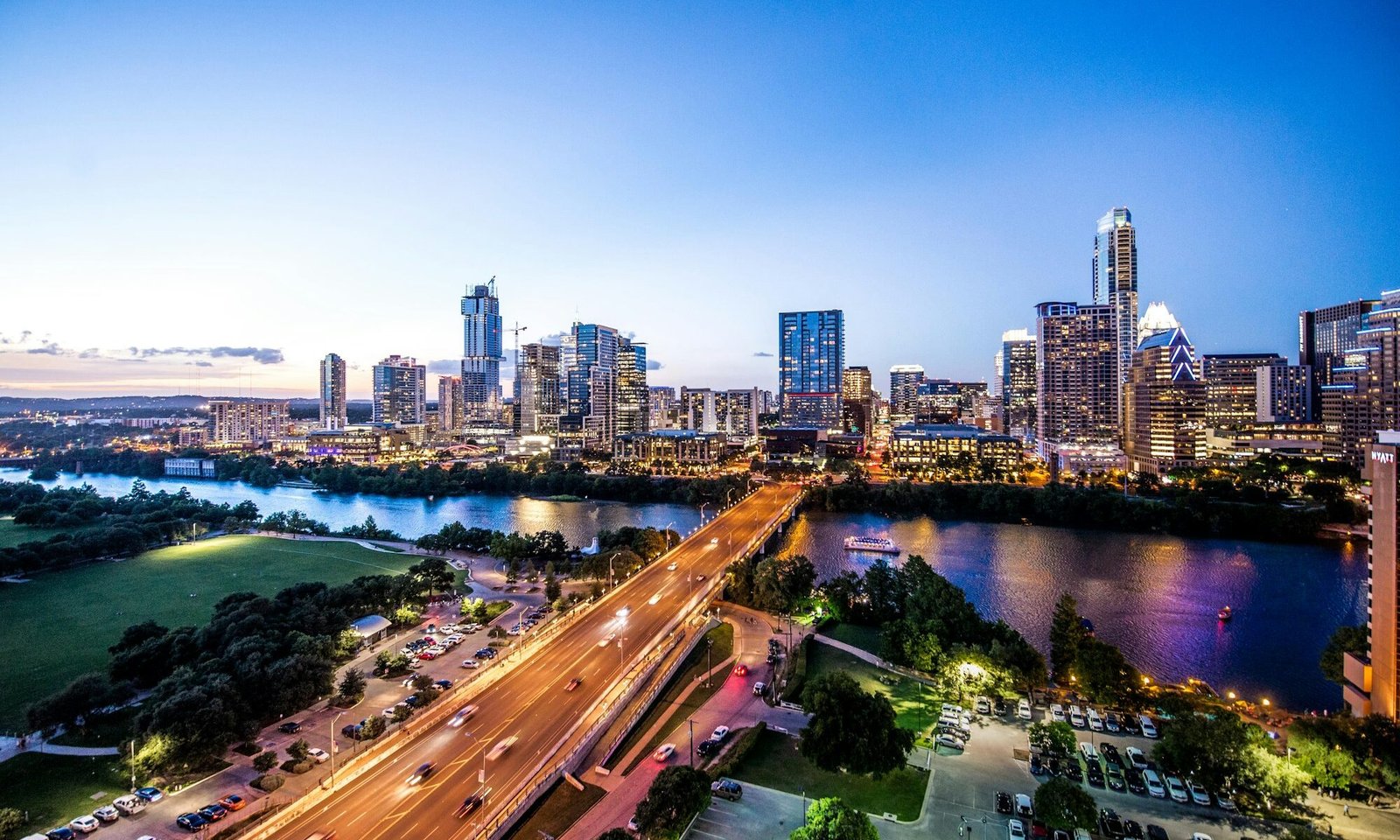
Spend three days in Austin. Swim at Barton Springs Pool and paddle Lady Bird Lake on day one, then watch the bats fly from the Congress Avenue Bridge at sunset. On day two, tour the Texas State Capitol, browse South Congress, and hear live music on Red River Street or at the Continental Club. On day three, line up early for barbecue and spend the afternoon in the Hill Country. Visit from March to May or October to November, and check festival dates before booking a hotel.
Austin is the capital of Texas and one of the fastest-growing cities in the country. It has changed a lot in the last 15 years, with new towers, tech companies and traffic. Longtime locals will tell you, with feeling, that the old Austin is gone. Some of it is. But the things that made people fall in love with the city are still here: a creek-fed swimming hole in the middle of town, a music scene with shows every single night, barbecue that people drive hundreds of miles for and an easygoing outdoor culture. The city’s unofficial slogan, Keep Austin Weird, still has some life in it.
- 3 daysRight length for a first visit
- 68–70°FBarton Springs water, all year
- 1.5 millionBats under Congress Avenue Bridge
- Mar–OctBat season
Festivals: check these dates first
Austin hosts some of the biggest events in the country, and they change everything about a trip: hotel prices, traffic and crowds. In March, South by Southwest (SXSW) brings a huge music, film and tech festival. In October, Austin City Limits Music Festival runs over two weekends in Zilker Park. Also in the fall, the Formula 1 United States Grand Prix takes over the Circuit of the Americas. During these events, hotel rates can triple and rooms sell out months ahead.
If you want to attend, book very early. If you don’t, avoid those weeks entirely. Your wallet will thank you.
Day 1: Water, green space and bats
Morning: Barton Springs Pool. In Zilker Park, Barton Springs Pool is a three-acre swimming hole fed by underground springs, with water that stays around 68 to 70 degrees year-round. It feels icy on a hot day and almost warm in winter. Locals swim laps here every morning. There’s a small entry fee for nonresidents, and the pool closes one day a week for cleaning, so check the schedule. It is home to the endangered Barton Springs salamander, found nowhere else.
Midday: Lady Bird Lake. This reservoir on the Colorado River runs right through downtown. Rent a kayak, canoe or stand-up paddleboard from one of several outfitters and paddle under the bridges with the skyline above you. Swimming is not allowed in the lake. Walk or bike the Ann and Roy Butler Hike-and-Bike Trail, a 10-mile loop around the lake.
Evening: the bats. Under the Congress Avenue Bridge, about 1.5 million Mexican free-tailed bats live from about March to October. It’s the largest urban bat colony in North America. Around sunset, they pour out from under the bridge in a long, swirling cloud to hunt insects. Watch from the bridge sidewalk, from the grassy lawn on the south bank, or from a boat tour on the lake. The show is biggest in late summer, when the young bats join. The timing depends on weather, and some nights they come out after dark.
Day 2: The Capitol, South Congress and music
Morning: Texas State Capitol. Finished in 1888, the Texas Capitol is built of red granite and is taller than the US Capitol in Washington. Texans like to mention that. Free tours run daily. Look up into the rotunda at the star on the dome, and visit the grounds. Nearby, the Bullock Texas State History Museum tells the state’s story, and the LBJ Presidential Library on the University of Texas campus covers the life of President Lyndon B. Johnson.
Afternoon: South Congress. South Congress Avenue, known as SoCo, has vintage stores, boot shops, food trucks and bakeries, with a view straight up the street to the Capitol. Take a photo at the famous “i love you so much” mural, painted on a coffee shop wall. Shop for cowboy boots at one of the big boot stores, or just look.
Evening: live music. Austin calls itself the Live Music Capital of the World. Here’s where to go:
- The Continental Club on South Congress: a legendary small venue, open since 1955, with rockabilly, blues and country.
- Red River Cultural District: downtown’s cluster of rock, punk and indie clubs.
- The Broken Spoke: a classic Texas dance hall from 1964, with two-step lessons early in the evening.
- Rainey Street: old bungalows turned into bars, popular for nights out.
- Sixth Street: famous, loud and party-focused, especially the stretch called Dirty Sixth.
Pick up a free local weekly listings guide or check online. Austin has shows every night.
Day 3: Barbecue and the Hill Country
Morning: barbecue. Central Texas barbecue is about beef brisket, smoked for many hours over post oak, seasoned with salt and pepper and served by the pound on butcher paper. Austin has several famous joints. The best-known have long lines, sometimes two hours or more on weekends, and close when the meat runs out. Arrive before opening, bring a chair, and treat the line as part of the event. Many places sell beer in line. Others have shorter waits and excellent brisket. Order fatty and lean brisket, a sausage and a rib.
For the serious version, drive about 30 miles south to Lockhart, the Barbecue Capital of Texas, where historic smokehouses have served for generations. Our Central Texas BBQ trail maps the best stops, and our guide to American barbecue styles explains what makes Texas different.
Afternoon: Hill Country. West of Austin, the Hill Country has swimming holes, wineries and small towns. Climb Mount Bonnell in town first: 102 steps to a view over the river. Then drive to Hamilton Pool Preserve, a collapsed grotto with a waterfall (reservations required), or Pedernales Falls State Park. Our Texas Hill Country road trip covers it in detail.
What to eat in Austin
- Breakfast tacos: eggs, potatoes, bacon or chorizo in a flour tortilla. An Austin morning ritual.
- Brisket: the king of Texas barbecue.
- Queso: melted cheese dip. Austin takes it very seriously.
- Tex-Mex: enchiladas, fajitas and margaritas.
- Food trucks: everything from ramen to kolaches, often gathered in food truck parks.
Getting out on the water
West of downtown, the Colorado River widens into Lake Austin and, farther out, Lake Travis, a big reservoir lined with marinas, cliffs and lakeside restaurants. Rent a pontoon boat with friends, take a sunset cruise or visit one of the lakeside parks. Water levels in Lake Travis rise and fall dramatically with drought and floods, so check conditions before you plan a lake day. Closer to town, Deep Eddy Pool, fed by cold well water and dating back to the 1910s, is another classic place to cool off.
When to go
Spring, from March to May, brings wildflowers and comfortable weather, plus SXSW in March. Fall, from October to November, is warm and pleasant, with ACL and the Grand Prix. Summer is hot, often over 100°F, with high humidity. That’s Barton Springs season. Winter is mild, though cold snaps happen; a winter storm in February 2021 left much of Texas without power for days.
Where to stay
Downtown is central for music and the lake. South Congress has boutique hotels with character. East Austin has a creative, local feel with bars and restaurants. The Domain, north of downtown, is a shopping district with newer hotels. Hotels are expensive during big events. Book early, or stay near the airport and use rideshares.
Getting around
Austin is spread out, and public transit is limited, though buses and a light commuter rail line exist. Many visitors use rideshares and scooters. Downtown, SoCo and East Austin are walkable within each area. Traffic, especially on Interstate 35, is heavy at rush hour. The airport is about 15 to 20 minutes from downtown.
What it costs
Hotels downtown usually cost $200 to $400 a night outside festival weeks, and much more during them. Barton Springs and the bats are cheap or free. Barbecue runs about $25 to $35 per person for a solid spread. A three-day trip for two might cost $1,200 to $2,000 before flights.
With kids
Austin is very family-friendly. Barton Springs, the bats, paddling on the lake and the playgrounds in Zilker Park are big hits. The Thinkery is a hands-on children’s museum. The Zilker Park miniature train is a classic ride. Many breweries and food truck parks welcome families in the afternoon.
Day trips
San Antonio, about 80 miles south, has the Alamo, the River Walk and Spanish colonial missions. Fredericksburg, about 80 miles west, is a German heritage town with wineries. Lockhart, about 30 miles south, is barbecue heaven. Gruene and New Braunfels, about 50 miles south, offer river tubing and a historic dance hall.
Safety and heat
Austin is a generally safe city. Downtown on weekend nights is crowded with partygoers; keep an eye on belongings and stay with friends. Summer heat is serious. Drink water, wear sunscreen and plan outdoor activities for mornings and evenings. Flash floods can hit quickly in Central Texas; never drive through flooded roads.
Common mistakes
Booking during SXSW or ACL by accident. Check the calendar.
Showing up for famous barbecue at 1 p.m. It may be sold out.
Missing the bats. Check sunset times and arrive early.
Only going to Sixth Street. The best music is often elsewhere.
Austin’s neighborhoods, briefly
Downtown is the business core, with the Capitol, the convention center, Sixth Street, Rainey Street and the Red River music district. It is lively at night and quiet on Sunday mornings.
South Congress and Bouldin Creek, just south of the river, have the classic Austin look: quirky shops, food trucks, old motels turned into boutique hotels and views of the Capitol.
East Austin, east of Interstate 35, was historically home to many of the city’s Black and Mexican American families. It has become one of the city’s trendiest areas, with restaurants, breweries, murals and bars, though rapid change has displaced many longtime residents. Visit with that history in mind and support older local businesses.
Zilker and Barton Hills surround the park and the springs. Hyde Park, north of the university, is a quiet historic neighborhood with leafy streets and good cafés. The Domain, in the north, is a newer shopping district with hotels and restaurants.
Art and culture
Beyond music, Austin has strong museums. The Blanton Museum of Art at the University of Texas holds a big permanent collection and a striking chapel-like building called Austin, by artist Ellsworth Kelly. The Harry Ransom Center, also on campus, displays a Gutenberg Bible and one of the earliest surviving photographs. Contemporary art lives at The Contemporary Austin, with a sculpture park at Laguna Gloria on Lake Austin. And the city’s street art scene covers whole walls in East Austin and South Congress, where new murals appear all the time.
Packing list
- A swimsuit, even in spring or fall, for Barton Springs.
- Sunscreen, a hat and sunglasses.
- Comfortable shoes for walking and dancing.
- A portable fan or cooling towel for summer.
- A light jacket for air-conditioned venues.
Frequently asked questions
How many days do you need in Austin?
Three days covers the highlights, the music and a barbecue trip.
When can you see the bats in Austin?
From about March to October, around sunset. August is often the peak.
What is Austin famous for?
Live music, barbecue, Barton Springs, the Congress Avenue bats and big festivals like SXSW and ACL.
Is Barton Springs open year-round?
Yes, except for one weekly cleaning day and occasional closures for weather or maintenance.
Plan it now
- Check festival dates and pick a quiet week, or book very early for one.
- Look up sunset times for bat watching.
- Pick a barbecue spot and plan to arrive before it opens.
- Book a hotel downtown or on South Congress.
Eric Gamble
Eric Gamble is the founder of Travon Inc. and editor-in-chief of Travon Blog, based in New Orleans. He plans every guide around the questions travelers actually ask before they book: when to go, what it really costs, how to get around and what is worth skipping. Eric oversees research, fact-checking and the regular updates that keep each guide accurate.