Best National Parks in the US: 15 Parks Worth the Trip, Ranked
There are 63 national parks and you will not see them all. Here are the 15 we would send a friend to first, ranked by payoff per day, with the best season and the one mistake to avoid at each.

The best national parks in the US for a first visit are Yellowstone, Grand Canyon, Yosemite, Zion and Glacier, followed by Grand Teton, Great Smoky Mountains, Acadia, Olympic and Arches. That is our top ten. The other five are below, ranked by how much you see for each day you spend, with the best month to go and the reservation you can’t ignore. If you only have one week and one trip this year, go to Yellowstone and Grand Teton together.
There are 63 national parks. Nobody needs a list of all of them. You need to know which ones pay off fastest, which ones punish bad timing, and which famous names are overrated for a short visit. We have spent years driving between these parks. This ranking is opinionated on purpose.
- 63National parks in the US system
- $80Annual pass for US residents
- 3+ daysThe minimum for most big parks
- SeptOur favorite month for most of them
How we ranked them
We scored each park on four things: how fast the scenery hits you after the entrance gate, how much you can see without serious hiking, how easy it is to reach from a major airport, and how much the crowds or reservation systems get in your way. Size and fame were not criteria. Big Bend is spectacular and barely made the list because getting there eats two days. Gates of the Arctic is extraordinary. You will not be flying a bush plane into it this year.
One honest caveat. Rankings like this flatten personal taste. If you hate heat, ignore the desert parks between June and August no matter where they rank.
The top 15, at a glance
| Rank | Park | State | Best months | Days you need |
|---|---|---|---|---|
| 1 | Yellowstone | WY, MT, ID | June, Sept | 3–4 |
| 2 | Grand Canyon (South Rim) | AZ | Apr–May, Sept–Oct | 2 |
| 3 | Yosemite | CA | Late May–June, Sept | 3 |
| 4 | Zion | UT | Apr–May, Oct | 2–3 |
| 5 | Glacier | MT | Mid-July–mid-Sept | 3–4 |
| 6 | Grand Teton | WY | June–Sept | 2 |
| 7 | Great Smoky Mountains | TN, NC | Apr–May, Oct | 2–3 |
| 8 | Acadia | ME | June, Sept–mid-Oct | 2 |
| 9 | Olympic | WA | July–Sept | 3 |
| 10 | Arches | UT | Apr–May, Sept–Oct | 1–2 |
| 11 | Rocky Mountain | CO | July–Sept | 2 |
| 12 | Bryce Canyon | UT | May–June, Sept–Oct | 1 |
| 13 | Mount Rainier | WA | Late July–Aug | 2 |
| 14 | Sequoia & Kings Canyon | CA | June–Oct | 2 |
| 15 | Death Valley | CA, NV | Nov–Mar | 1–2 |
1. Yellowstone: the one park that justifies a whole trip
Yellowstone wins because nothing else on Earth packs this much strangeness into one road loop. Half of the world’s active geysers sit inside the park. Old Faithful erupts roughly every 60 to 110 minutes. Grand Prismatic Spring looks like someone spilled paint across a steaming plain. Then you drive an hour north and watch bison block traffic in Lamar Valley while wolves hunt on a far slope.
Most first-timers make the same mistake. They base themselves in one gateway town and spend four hours a day driving. The Grand Loop is 142 miles, and with wildlife jams it rarely moves faster than 30 mph. Split your nights: two near Old Faithful or West Yellowstone for the geyser basins, one or two near Canyon or Gardiner for the canyon and the northern range.
June is our favorite month here. Baby bison are everywhere, the waterfalls are loud and most roads are open. September is a close second, with fewer families and elk bugling at dusk. July and August work too. Just start before 8 a.m. Midday parking at Grand Prismatic is a fight.
The park does not use timed-entry reservations, which is one less thing to plan. The thing to book early is lodging. In-park rooms and campgrounds fill many months ahead. Our Yellowstone itinerary breaks the loop into days.
2. Grand Canyon: overrated for some, unbeatable at the rim
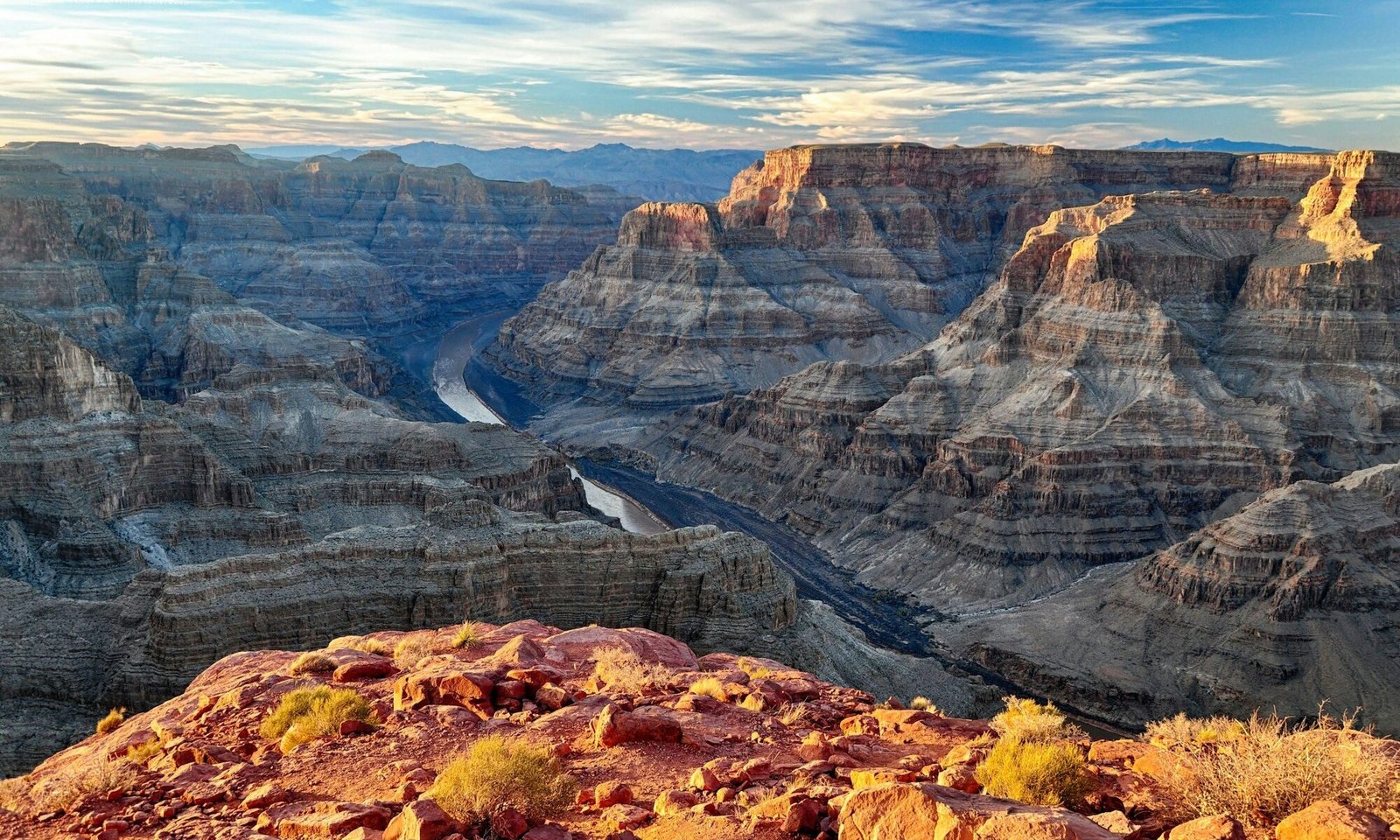
People who say the Grand Canyon is “just a big hole” arrived at noon, walked to Mather Point and left. Go at sunrise. Walk the Rim Trail west from Yavapai Point for an hour. Then drop a mile below the rim on the South Kaibab Trail to Ooh Aah Point. Now tell us it is just a hole.
The South Rim is open all year and has the services. The North Rim is higher, quieter and seasonal, and the historic Grand Canyon Lodge there was destroyed by the Dragon Bravo Fire in July 2025, so check current North Rim services before you plan around it. Two days at the South Rim is enough for most people. Our South Rim guide covers the viewpoints in order.
3. Yosemite: worth the reservation hassle
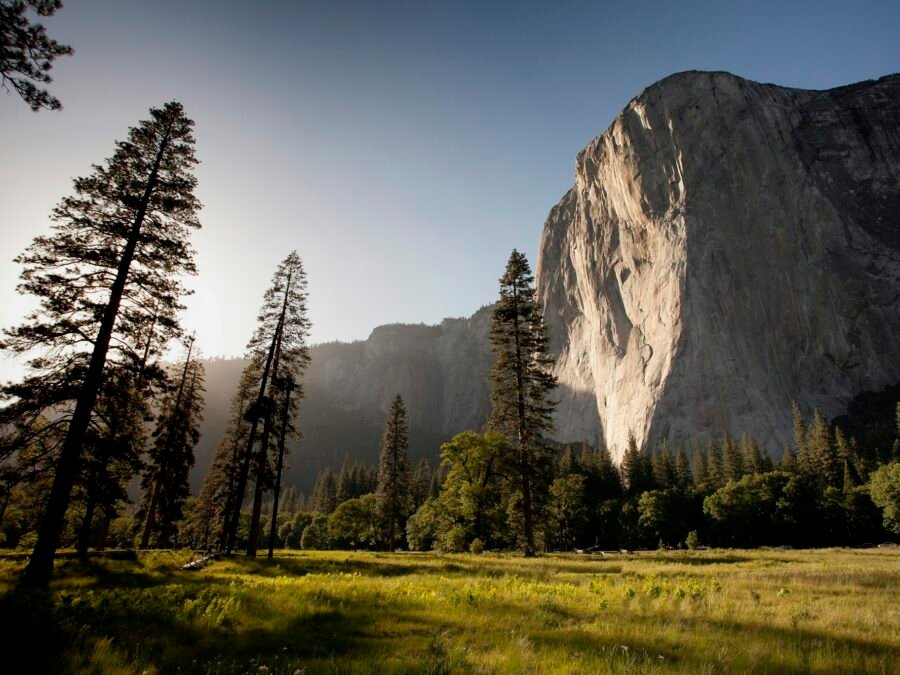
Yosemite Valley is the most concentrated big-wall scenery in the country. El Capitan, Half Dome and Yosemite Falls all sit within a few miles of each other, and you can see them from flat paths. The hassle is real. In recent peak seasons the park has used reservation systems for summer entry, and the details change year to year. Check nps.gov/yose first, then plan. Timing advice lives in our guide to the best time to visit Yosemite.
4. Zion: brilliant, crowded, worth it anyway
Zion packs huge sandstone walls into a narrow canyon you can reach in under three hours from Las Vegas. From spring through fall a free shuttle replaces cars on the scenic drive, which keeps it sane. Angels Landing needs a permit from a lottery. The Narrows needs good weather and neoprene socks. Read our Zion guide before you enter that lottery.
5. Glacier: short season, big reward
Glacier is the park we tell people to visit sooner rather than later. Going-to-the-Sun Road usually opens fully in late June or July and closes again in the fall. The window is tight. Inside it, you get turquoise lakes, mountain goats at Logan Pass and some of the best day hiking in the country at Many Glacier. It ranks fifth only because the season is short and the logistics are fussy. Our Glacier travel guide explains the vehicle reservation rules.
6. Grand Teton: the easiest big mountains in America
The Tetons rise straight out of the valley floor with no foothills in the way. That is why the views feel unreal. You can drive most of the park in a day, paddle String Lake in the afternoon and photograph the barns on Mormon Row at sunrise. Pair it with Yellowstone, 10 miles north. Our Grand Teton guide has the full plan.
7. Great Smoky Mountains: free entry, real crowds
The Smokies are the most visited national park in the country. Entry is free, but you need a parking tag for stops longer than 15 minutes. Spring wildflowers and October color are the peak seasons. Avoid Cades Cove on a fall Saturday unless you enjoy sitting in your car. Start with our best Smokies hikes.
8. Acadia: the best coast in the system
Acadia gives you granite cliffs, a car-free carriage road network and lobster rolls within a 10-minute drive of the gate. Sunrise on Cadillac Mountain requires a vehicle reservation in season. Our Acadia guide covers the rest.
9. Olympic: three parks in one
Rainforest, glacier-capped peaks and wild beaches, all in one park. The catch is that they are hours apart. Give it three days and plan a loop around the peninsula. Our Olympic guide lays it out.
10. Arches: small park, huge payoff
More than 2,000 natural stone arches, and you can see the famous ones in a day. In peak season you may need a timed-entry ticket. Hike to Delicate Arch for sunset, and bring more water than you think. Details are in our Arches guide.
11–15: the rest of the list
Rocky Mountain has Trail Ridge Road, the highest continuous paved road in the country, topping out at 12,183 feet. Elk wander the meadows in fall. Timed entry often applies in summer. See our Rocky Mountain guide.
Bryce Canyon is the best one-day park in America. Walk the Navajo Loop and Queen’s Garden combination and you have seen its heart. Our Bryce guide explains why sunrise beats sunset.
Mount Rainier peaks for about six weeks a year, when the wildflower meadows at Paradise bloom. Outside that window it is still good. Inside it, it is unforgettable. See our Mount Rainier guide.
Sequoia and Kings Canyon hold the largest trees on Earth by volume. Standing beside the General Sherman Tree recalibrates your sense of scale. Read our Sequoia and Kings Canyon guide.
Death Valley is a winter park. Badwater Basin sits 282 feet below sea level, and the dunes at sunrise are some of the most photogenic ground in the West. Our Death Valley guide covers safety.
The parks we left off, and why
Big Bend, Great Basin and Capitol Reef are wonderful. They are also far from airports, and the payoff takes time. Visit them once you have done the big names. Everglades disappoints many first-timers who expect dramatic scenery; it is a subtle park best seen by boat or bike in winter. Hot Springs is a nice town with a bathhouse row, not a reason to fly across the country.
And then there are the remote giants: Denali, Wrangell–St. Elias, Katmai. Those are separate trips with separate budgets. Our Alaska road trip is a good start.
Three myths that ruin park trips
Myth one: summer is the best time. For the high mountain parks it is. For Zion, Arches, Grand Canyon, Death Valley and Joshua Tree, summer means 100-degree afternoons and the worst crowds. Spring and fall are better almost everywhere outside the northern Rockies.
Myth two: you can see a big park in a day. You can drive through one in a day. That is not the same thing. Yellowstone, Yosemite and Glacier need three days minimum. Anything less and you see the inside of your car.
Myth three: the pass covers everything. The $80 America the Beautiful pass covers entrance fees. It does not cover campsites, reservation fees, shuttles in some parks or parking tags. Read our pass guide before you buy.
What changed for 2026
Two things matter. First, the federal government reworked pricing for international visitors starting January 1, 2026: the annual pass costs US residents $80, while non-residents pay considerably more, and non-residents also face an added per-person fee at a group of the most visited parks, including Yellowstone, Grand Canyon, Yosemite, Zion and Glacier. If you are visiting from abroad, check the current rules at nps.gov before you budget.
Second, reservation systems keep shifting. Some parks have dropped timed entry, others have added or changed it. Never trust a blog post from last year on this, ours included. Check each park’s official page in the month you book.
How to combine parks on one trip
The best pairings are geographic, and they are obvious once you look at a map:
- Yellowstone + Grand Teton: 10 miles apart. A week covers both.
- Utah’s Mighty 5: Zion, Bryce, Capitol Reef, Arches and Canyonlands in eight days. See our Mighty 5 road trip.
- Grand Canyon + Zion + Bryce: a loop from Las Vegas. Our Las Vegas to Grand Canyon guide starts it.
- Olympic + Mount Rainier: both a day’s drive from Seattle. Our Pacific Northwest road trip links them.
- Sequoia + Yosemite: about three hours apart through the Sierra foothills.
How to spend less
Camp. A campsite at $25 to $40 a night beats a $350 lodge room, and the best campgrounds sit closer to the trailheads. If you will visit three or more fee parks in a year, buy the pass. Eat breakfast and lunch from a cooler. And go in shoulder season, when gateway motels drop prices sharply. Our budget travel tips go further.
Frequently asked questions
What is the most visited national park in the US?
Great Smoky Mountains, by a wide margin. It sees more than 12 million recreation visits in a typical recent year, roughly double the Grand Canyon.
What is the most beautiful national park?
Taste varies. Our vote goes to Glacier in late July, with Yosemite Valley in June a close second.
Which national park is best for a first trip?
Yellowstone with Grand Teton, if you have a week. Zion or the Grand Canyon if you only have a long weekend and fly into Las Vegas.
How many national parks are there?
There are 63 national parks, part of more than 400 sites managed by the National Park Service.
Do I need reservations to enter national parks?
Some parks require timed-entry or vehicle reservations in peak season, and the list changes yearly. Check recreation.gov and each park’s website before you go.
What to do this week
- Pick one park from the top ten and one season from the table above.
- Open that park’s page on nps.gov and note any reservation dates.
- Book lodging or a campsite before flights. Beds sell out first.
- Buy the annual pass if your trip includes three or more fee parks.
Eric Gamble
Eric Gamble is the founder of Travon Inc. and editor-in-chief of Travon Blog, based in New Orleans. He plans every guide around the questions travelers actually ask before they book: when to go, what it really costs, how to get around and what is worth skipping. Eric oversees research, fact-checking and the regular updates that keep each guide accurate.