
Savannah Weekend Guide: Squares, Ghost Tours and Southern Food
Twenty-two shady squares, oaks dripping with Spanish moss, a cemetery made famous by a bestseller and a to-go cup law that surprises everyone. How to spend a perfect weekend in Savannah.

For a weekend in Savannah, walk the Historic District’s squares from River Street to Forsyth Park on day one, with a ghost tour after dark. On day two, visit Bonaventure Cemetery and the oak-lined avenue at Wormsloe in the morning, eat a family-style Southern lunch, and spend the evening on the riverfront. With a third day, head to Tybee Island’s beach. Go in spring, from March to May, or fall, from October to November. Stay in the Historic District and leave the car parked.
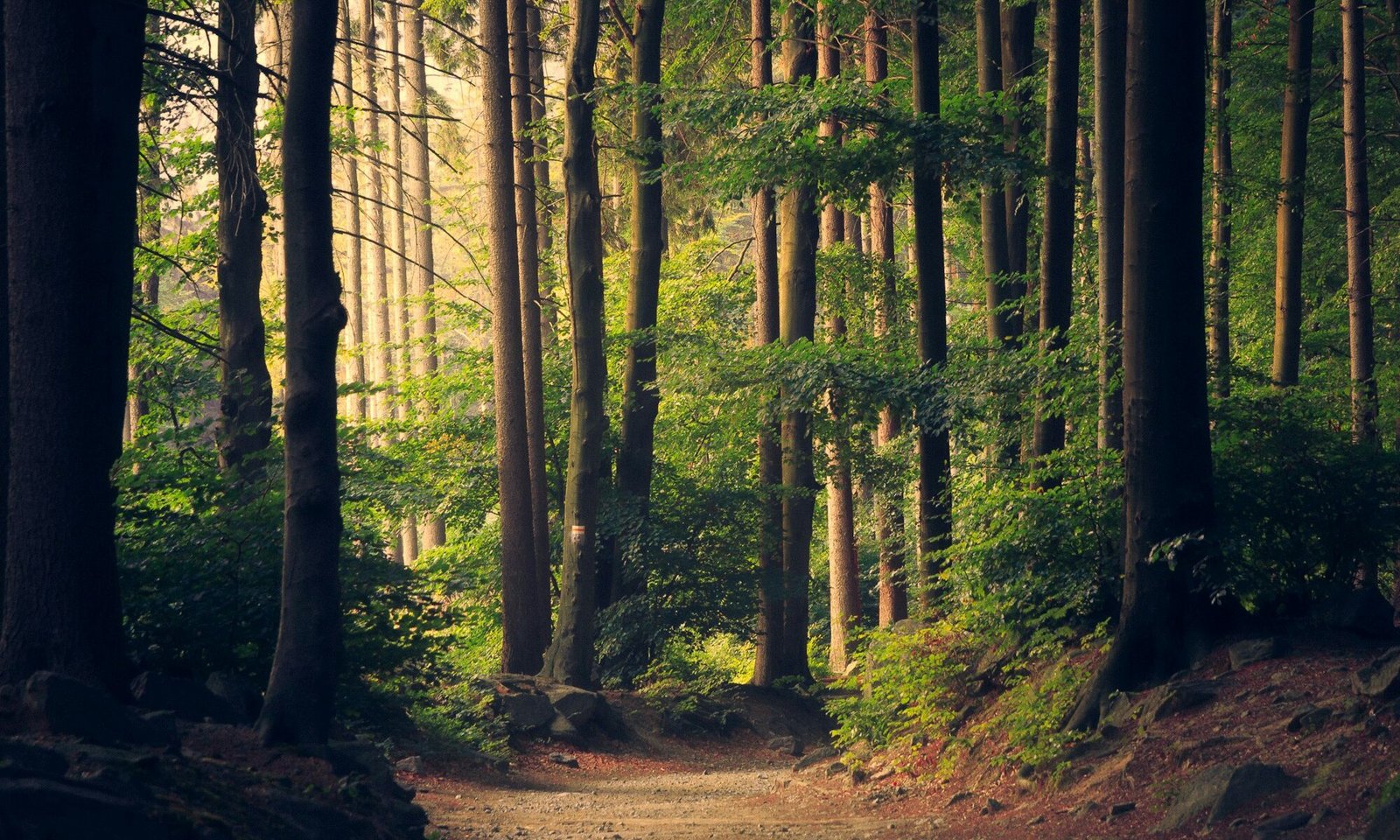
Savannah is one of the most beautiful cities in America, and it is beautiful in a very specific way. In 1733, General James Oglethorpe laid out the new colony of Georgia’s first city on a grid of wards, each built around a public square. Two dozen squares were eventually created, and 22 survive today. Each is a small park shaded by live oaks draped in Spanish moss, surrounded by historic homes and churches, often with a monument in the center. Walking from one to the next is the best thing to do in Savannah. It might be the best urban walk in the South.
- 1733Year Savannah was founded
- 22Historic squares still standing
- 2–3 daysPerfect length for a first visit
- 16 ozTo-go cup limit in the Historic District
A short history
Savannah’s layout is a piece of colonial planning that still works almost 300 years later. Oglethorpe’s grid of wards and squares gave each neighborhood its own public space and broke up the city into walkable blocks. The plan was extended as the city grew through the 1800s, when Savannah became a wealthy port shipping cotton grown and picked by enslaved people across the region. That wealth built the grand homes on the squares. That history is part of what you are walking through, and several museums now tell it more fully.
In December 1864, at the end of his March to the Sea, Union General William Tecumseh Sherman captured Savannah and famously offered it to President Lincoln as a Christmas present. He spared the city from burning, which is one reason so much of it survives.
By the mid-20th century, many old buildings were being torn down. In 1955, after the historic Davenport House was threatened with demolition, a group of local women formed the Historic Savannah Foundation and began buying and saving buildings. Their work, and later the arrival of the Savannah College of Art and Design, which restored dozens of old buildings for its campus, is a big reason the Historic District looks the way it does today.
The squares: how to see them
The Historic District runs from the Savannah River south to Forsyth Park, about a mile long and less than a mile wide. You can walk it all. There is no wrong order, but here is a route that hits the highlights:
- Johnson Square: the first and largest square, laid out in 1733, in the banking district.
- Wright Square: with a monument to William Washington Gordon and a boulder honoring Tomochichi, the Yamacraw leader who welcomed Oglethorpe.
- Chippewa Square: where Forrest Gump sat on his bench in the 1994 movie. The bench was a prop; it is now in a museum.
- Madison Square: surrounded by grand homes and a Gothic Revival church.
- Monterey Square: often called the most beautiful, home to the Mercer Williams House.
- Lafayette Square: beside the Cathedral of St. John the Baptist, with its soaring spires.
Stroll slowly. Read the historical markers. Sit on a bench. Savannah moves at a slower pace than most cities, and the squares make it easy to match it.
Forsyth Park
At the south end of the Historic District, Forsyth Park covers about 30 acres, with a famous white fountain, installed in 1858, framed by live oaks. On weekends, there’s a farmers market, people playing frisbee and students from the Savannah College of Art and Design sketching on the grass. It’s Savannah’s backyard. Bring a coffee, find a bench under the oaks and watch the city go by. On spring mornings, with the fountain running and the azaleas in bloom, it’s hard to imagine a better place to sit.
River Street
River Street runs along the Savannah River below a bluff, lined with old cotton warehouses turned into restaurants, bars and shops. The cobblestones were laid with ballast stones from ships. Watch giant container ships glide past; Savannah is one of the busiest container ports in the country. Factors Walk, a series of iron bridges and stone stairs above River Street, connects to the bluff. River Street can be touristy, especially in the evening, but it’s fun.
The free Savannah Belles Ferry crosses the river to Hutchinson Island, and a free DOT shuttle loops through the Historic District. Use both.
The to-go cup law
Here’s a Savannah quirk that surprises visitors. In the Historic District, you can carry an alcoholic drink outside in a plastic cup of up to 16 ounces. Many bars will give you a to-go cup when you leave. You can walk through the squares with a drink in hand. No glass, no cans, and be respectful. It’s one of the few cities in the country with this rule, alongside New Orleans.
Day 1: The Historic District and ghosts
Morning: start at Johnson Square and walk south through the squares. Visit the Owens–Thomas House and Slave Quarters, a Telfair museum where tours tell the story of both the wealthy family who lived there and the enslaved people who worked there. Visit the Juliette Gordon Low Birthplace, home of the founder of the Girl Scouts, who started the movement in Savannah in 1912. Then the Cathedral of St. John the Baptist, a stunning French Gothic cathedral.
Afternoon: stop at First African Baptist Church near Franklin Square, one of the oldest Black churches in North America, founded in the 18th century. Tours show holes in the floor that some believe helped people escaping slavery breathe while hiding underneath. Then rest in Forsyth Park, and get ice cream at Leopold’s, a family business since 1919.
Evening: dinner in the Historic District, then a ghost tour. Savannah calls itself one of the most haunted cities in America, and with nearly 300 years of history, yellow fever epidemics and battles, the stories are endless. Walking tours, trolley tours and even hearse tours run nightly. Choose a walking tour with a good storyteller. Even skeptics enjoy them, and you learn real history along the way.
Day 2: Bonaventure, Wormsloe and Southern food
Morning: drive or take a rideshare to Bonaventure Cemetery, on a bluff above the Wilmington River, about 15 minutes from downtown. Under huge oaks hung with moss, Victorian statues and family plots spread across the grounds. The cemetery became world-famous after the 1994 bestseller Midnight in the Garden of Good and Evil. Songwriter Johnny Mercer is buried here. It is peaceful and beautiful. Be respectful; it’s still an active cemetery.
Then visit Wormsloe State Historic Site, where a 1.5-mile avenue lined with about 400 live oaks leads to the ruins of a colonial estate from the 1700s. The oak avenue is one of the most photographed places in Georgia. There’s a fee to enter.
Lunch: eat family-style at a Southern boarding-house-style restaurant, where you sit at shared tables and pass bowls of fried chicken, collard greens, mac and cheese, black-eyed peas, okra and cornbread. Expect a line. Our Southern food guide explains the dishes.
Afternoon: visit the Telfair Museums, including the Jepson Center for modern art, where the famous Bird Girl statue from the cover of Midnight in the Garden of Good and Evil now stands, moved there to protect it. Or browse the shops on Broughton Street.
Evening: dinner at a restaurant in a historic mansion, then a drink on a rooftop bar overlooking the river.
Day 3: Tybee Island
Tybee Island, about 18 miles east of Savannah, is the city’s beach. It’s laid-back and a little funky, with a long pier, wide beaches and the Tybee Island Light Station, Georgia’s oldest and tallest lighthouse. Climb its 178 steps for a view of the coast. Look for dolphins from the beach or on a boat tour. Eat shrimp and grits or a low country boil at a casual seafood spot. Our beach packing list helps you prepare.
What to eat
Savannah’s food mixes Lowcountry seafood with classic Southern cooking. Try shrimp and grits, she-crab soup, fried green tomatoes, a low country boil with shrimp, corn, potatoes and sausage, and pralines from a candy shop on River Street. For dessert, peach cobbler or ice cream at Leopold’s. For a special dinner, eat in one of the historic homes turned restaurants.
When to go
Spring is Savannah’s most beautiful season. Azaleas bloom from about mid-March to early April, turning the squares pink and white. It’s also busy, especially around St. Patrick’s Day, when Savannah throws one of the largest St. Patrick’s Day parades in the country. Fall, from October to November, is mild and lovely. Summer is hot and very humid, with afternoon storms, and it’s hurricane season from June to November. Winter is mild and quiet.
Where to stay
Stay in the Historic District to walk everywhere. Options range from big hotels on the riverfront to small inns in restored mansions and bed-and-breakfasts on the squares. Prices often run $200 to $400 a night, more on spring weekends and during events. For lower prices, look at hotels near the airport or in midtown, and drive in. Parking downtown requires paying at meters or garages.
Getting there and around
Savannah/Hilton Head International Airport is about 20 minutes from downtown. Savannah is also on Amtrak’s Silver Service route and on Interstate 95, about 4 hours from Atlanta and 2 hours from Charleston. Downtown is very walkable. Use the free DOT shuttle and ferry, or hop-on, hop-off trolleys. A car is useful only for Bonaventure, Wormsloe and Tybee.
What it costs
A weekend for two in Savannah typically costs about $900 to $1,600 including lodging, food and tours, before flights. Ghost tours cost about $25 to $45 per person. Museum tickets and historic house tours usually run $15 to $30. Squares, parks and River Street are free.
With kids
Kids enjoy the trolley tours, the squares, the ferry rides and River Street’s candy shops. Family-friendly ghost tours are available, with less gore. The Girl Scout founder’s birthplace is a favorite for scouts and their families. Tybee Island’s beach and the Marine Science Center are good for younger kids.
Combine Savannah and Charleston
Charleston, South Carolina, is about two hours north and makes a perfect pair. Spend two days in each for a classic Lowcountry trip. Our Charleston travel guide covers the other half.
Common mistakes
Rushing. Savannah is about slowing down. Don’t pack your schedule.
Visiting in July or August without a plan for the heat. Explore early and late.
Skipping Bonaventure. It’s one of the most atmospheric places in the South.
Bringing glass into the streets. To-go drinks must be in plastic cups.
Packing list
- Comfortable walking shoes. The sidewalks are uneven brick and the cobblestones are rough.
- Breathable clothes and a small umbrella. Summer showers come fast.
- Bug spray for evenings in the squares and at Bonaventure.
- Sunscreen and a hat for Tybee Island.
- A light jacket for air-conditioned restaurants and cool spring nights.
Frequently asked questions
How many days do you need in Savannah?
Two days covers the Historic District, a ghost tour and Bonaventure. Three days adds Tybee Island.
Can you drink on the street in Savannah?
Yes, in the Historic District, in plastic cups of 16 ounces or less.
When is the best time to visit Savannah?
March to May for azaleas and mild weather, and October to November.
Is Savannah walkable?
Yes. The Historic District is compact, flat and best explored on foot.
Next steps
- Book a Historic District inn or hotel, especially for spring.
- Reserve a walking ghost tour for your first night.
- Plan a morning for Bonaventure and Wormsloe.
- Check St. Patrick’s Day dates if traveling in March.
Eric Gamble
Eric Gamble is the founder of Travon Inc. and editor-in-chief of Travon Blog, based in New Orleans. He plans every guide around the questions travelers actually ask before they book: when to go, what it really costs, how to get around and what is worth skipping. Eric oversees research, fact-checking and the regular updates that keep each guide accurate.


1 comment